





 Sold out




Barbless Dry Flies for Trout and Grayling Fishing
Fishing with a barbless hook does not mean giving up the familiar patterns and subtle presentations of dry fly fishing. Barbless dry flies combine different insect imitations with a hook that has no barb, making them a practical option for anglers who prefer this configuration or fish waters where barbless hooks are required.
The absence of a barb generally makes hook removal easier. Careful handling and an appropriate playing technique remain important, regardless of the type of hook used.
Classic Barbless Dry Fly Patterns
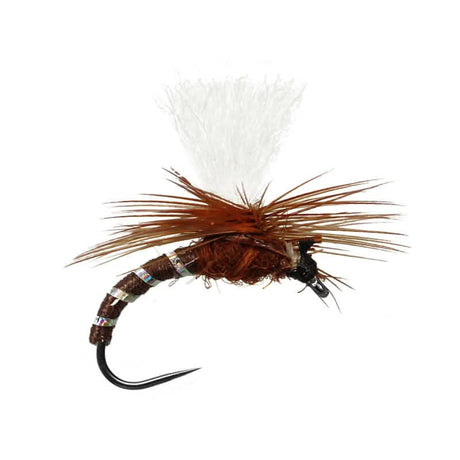
Adams, Wulff and Klinkhammer designs
The selection includes classic dry fly families such as Adams and Wulff, together with Klinkhammer-style patterns. These flies differ in silhouette, hackle arrangement and how they are intended to sit on or in the water's surface.
When fish are rising, compare the size and shape of the fly with the insects you can observe. A suitable pattern and presentation are usually more valuable than choosing a fly simply because it is well known.
Caddis, Palmer and terrestrial imitations
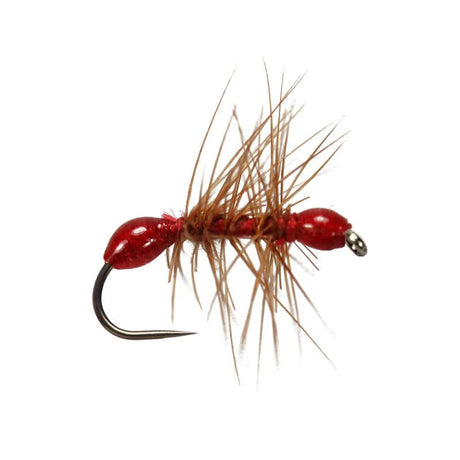
Barbless caddis imitations, including Sedge patterns, provide options for fishing during caddis activity. Palmer-style flies feature a different hackled profile, while ants and beetles cover insects that fall into the water from surrounding vegetation.
Foam-based designs and more visible flies add useful variety when conditions call for a larger or easier-to-track imitation.
CDC and Parachute Barbless Flies
Different tying techniques produce different surface presentations. CDC dry flies can offer a delicate profile, while parachute designs use a distinctive hackle arrangement to achieve a different appearance on the water.
Consider the fly's silhouette and intended presentation as well as its hook. A delicate CDC pattern and a larger foam imitation may both be barbless, but they are intended for different situations.
Choosing the Right Barbless Dry Fly
Start with the insects and water conditions. Hook size, body shape, colour and visibility should all influence your selection.
Smaller, understated patterns may suit calm conditions. In broken water, a more substantial or visible fly can be easier to follow.
When fishing barbless, maintain steady pressure on the fish during the fight. Avoid unnecessary slack, as this can make it easier for the hook to come free.
Building a Barbless Dry Fly Selection
A balanced selection should include different imitations rather than many similar flies. Mayfly, caddis and terrestrial patterns in several sizes provide a useful starting point.
For a broader comparison of patterns and tying styles, explore the complete dry fly collection.
Frequently Asked Questions About Barbless Dry Flies
What is the difference between a barbless dry fly and a regular dry fly?
The main difference is the hook. A barbless dry fly has no barb at the hook point, while its body and overall tying style may be similar to a traditional pattern.
Are barbless dry flies suitable for catch and release?
Yes. They are commonly chosen because the absence of a barb generally makes hook removal easier. Gentle fish handling and an efficient release remain essential.