

-
-

-
-
-
-
-
-
-
Scientific Anglers
Scientific Anglers Air Cel WF Orange Fly Line
€54,90 EURUnit price /Unavailable-
 27% off
Guideline
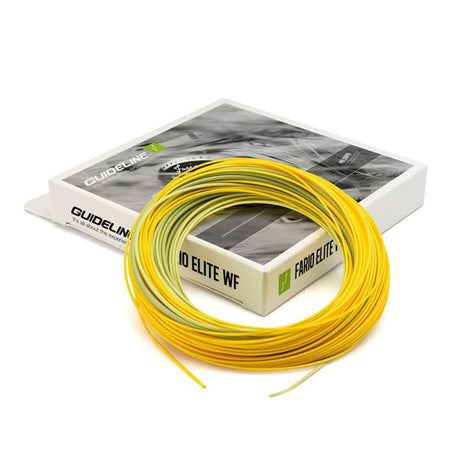
Fly Line Guideline Fario Elite WF Float
€79,90 EUR€109,00Unit price /UnavailableVery low stock (1 unit)-
-
-
-

Scientific Anglers
Scientific Anglers Mastery ART WF Fly Line
€99,90 EURUnit price /UnavailableVery low stock (2 units)-

-
-
-
Scientific Anglers
DT Fly Line Scientific Anglers Mastery Tactical Nymph Floating Braid
€79,90 EURUnit price /Unavailable-
-
Scientific Anglers
Scientific Anglers Mastery Tactical Nymph Floating Braid Level
€79,90 EURUnit price /Unavailable-
-


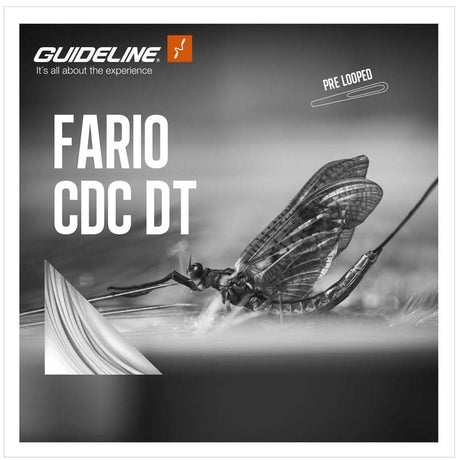

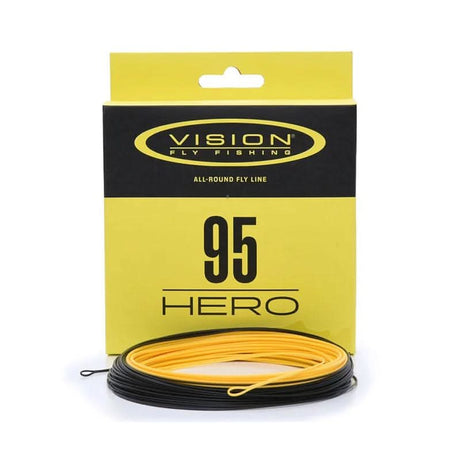
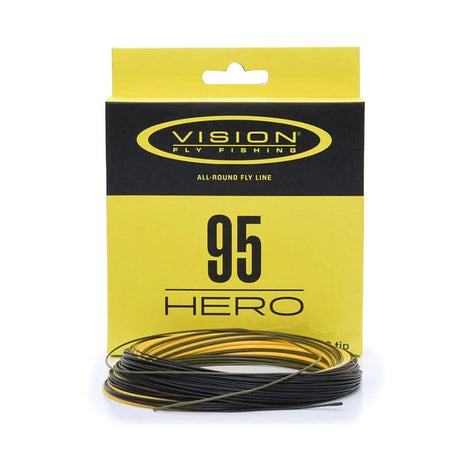
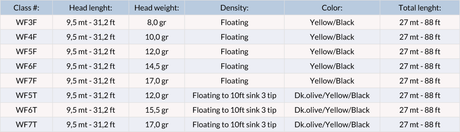

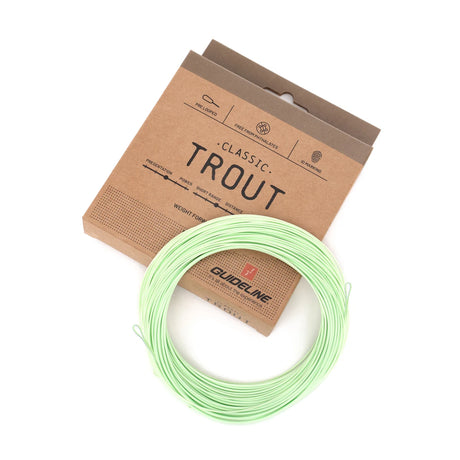
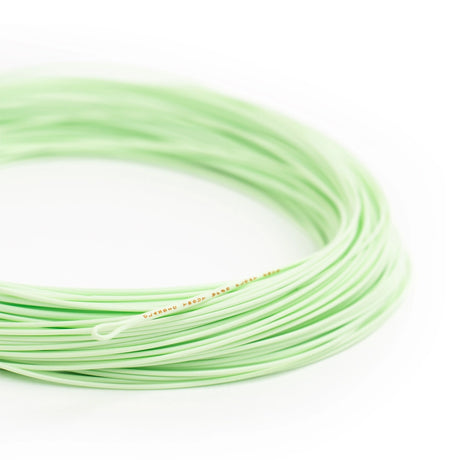
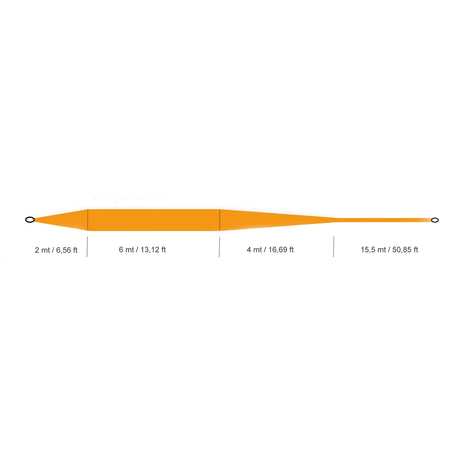
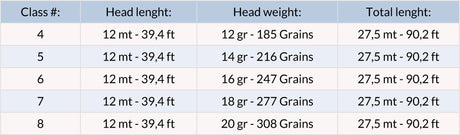
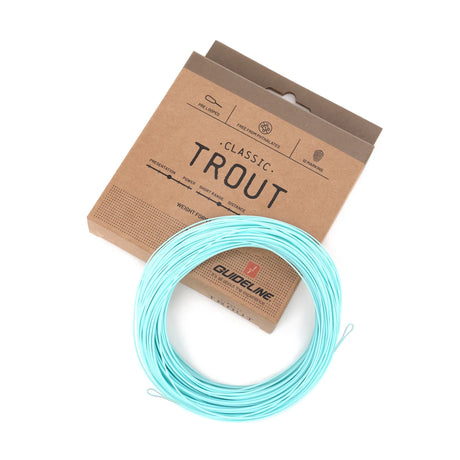
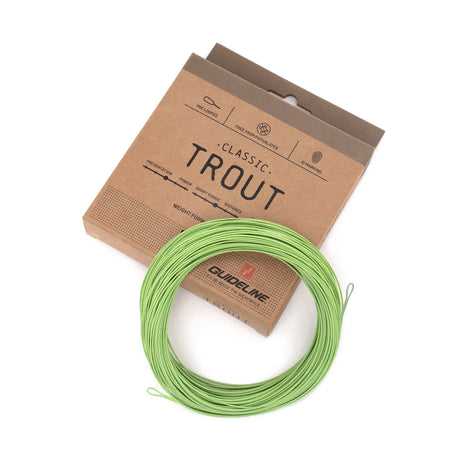
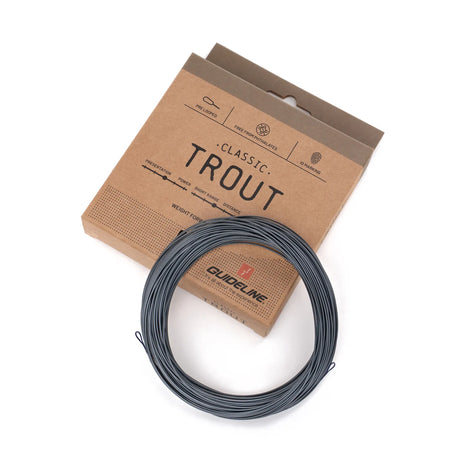
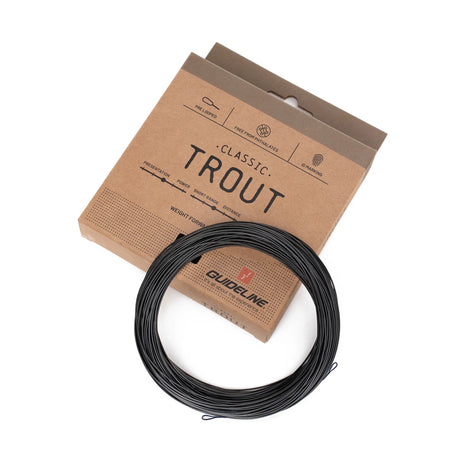


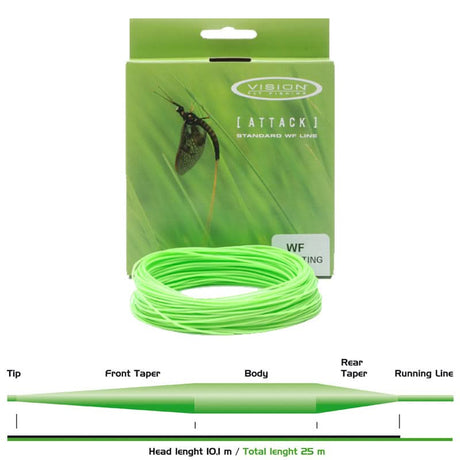
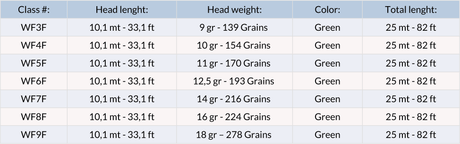


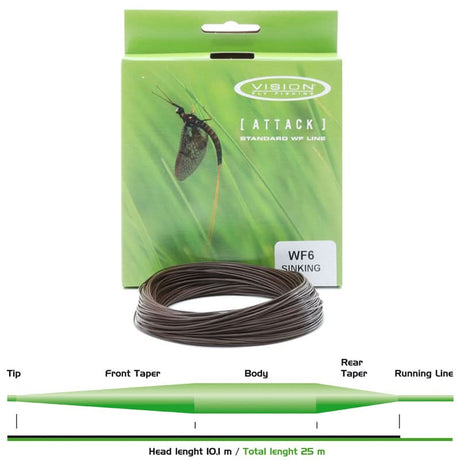



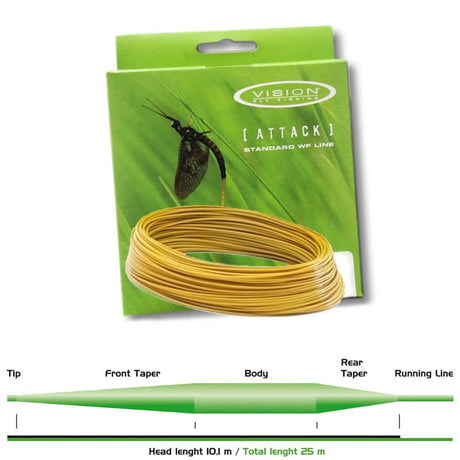





Fly Fishing Lines: Understanding Tapers, Line Weights and Sink Rates
The fly line is central to how a fly rod loads and delivers a cast. Selecting a fly fishing line therefore involves more than matching the number printed on the rod. Its taper, head design and floating or sinking properties all affect the way it can be used.
The selection includes Weight Forward and Double Taper lines, floating trout lines, intermediate and sinking stillwater lines, Euro nymphing lines and profiles for streamer and predator fishing.
WF and DT Fly Line Tapers
Weight Forward lines
WF lines concentrate much of the casting weight towards the front. Head length and taper shape vary, giving different lines distinct handling characteristics.
A line designed for delicate trout fishing is not necessarily intended to deliver the same flies as a profile built for substantial streamers.
Double Taper lines
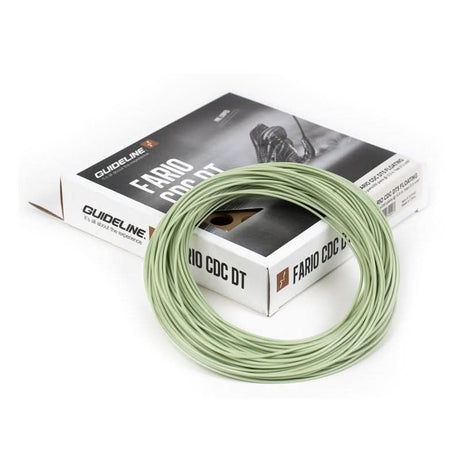
DT lines use a double-taper construction, providing another way of distributing casting weight. They are useful for particular controlled casting and presentation preferences.
Choose according to your rod and casting requirements rather than assuming either taper is universally superior.
Floating Fly Lines for Dry Fly Fishing
A floating fly line is a common choice for dry flies and many river techniques. It allows the main line to remain at the surface while the leader is selected for the intended presentation.
Compare front taper and head design, particularly when fishing small flies and longer leaders.
Intermediate and Sinking Lines
Stillwater and streamer fishing often call for presentations beneath the surface. Intermediate lines provide one level of sinking behaviour, while fully sinking versions are available in different densities.
The range includes choices such as Sink 3, Sink 5 and Sink 7 in specific series. Match the sink rate to the depth and retrieve required, and consult the actual product specifications.
Specialist Euro Nymphing Lines
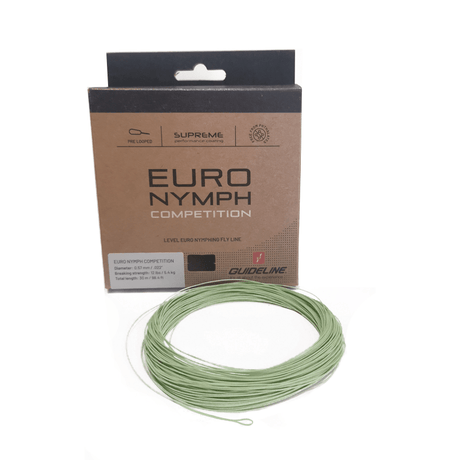
Euro nymphing lines use a different approach to conventional WF casting lines. Their slimmer or specialist profiles are intended for particular ways of maintaining control of the leader and nymphs.
Compare diameter, design and compatibility with your nymphing rod, especially when preparing an outfit for competition-style techniques.
Lines for Streamers and Predator Flies
Large streamers need a casting setup suited to the size and mass of the fly. A specialist line may use a different head profile from a line intended for subtle dry fly presentations.
For pike, lake and coastal fishing, also consider whether a floating, intermediate or sinking arrangement matches the technique.
Matching Fly Line, Reel and Leader
Begin with the rod's line rating, then examine taper and density. Check that the reel has enough capacity for the line and any backing.
Complete your outfit with an appropriate tapered leader, and explore backing and running lines for further setup options.
Frequently Asked Questions About Fly Lines
Which fly line is a good starting point for trout fishing?
A floating line matched to the rod can be a versatile option. Choose its taper according to the streams or rivers you fish and the flies you plan to cast.
When should I use an intermediate fly line?
Consider one when you want to fish beneath the surface without the faster descent of some fully sinking lines, especially in selected stillwater situations.
Does a WF line always cast farther than a DT?
No. Actual casting depends on the head design, rod, technique and conditions. The taper designation alone does not guarantee a particular distance.