
 Sold out

Go-Fish
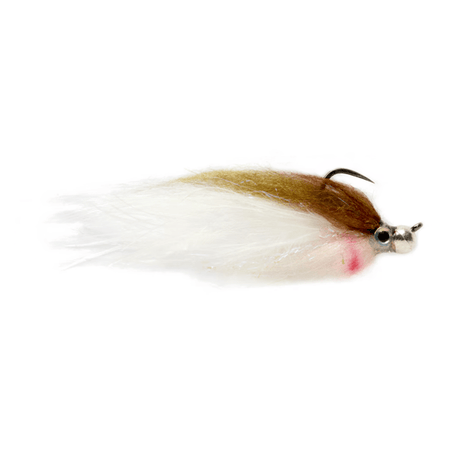
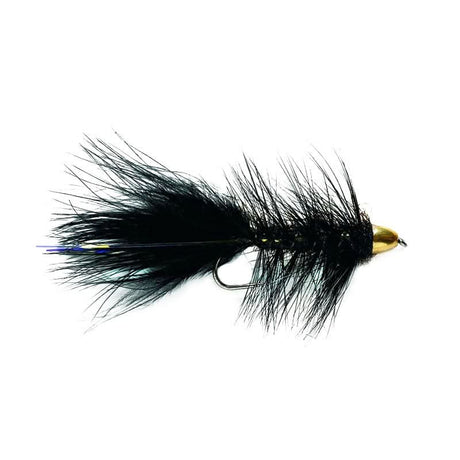
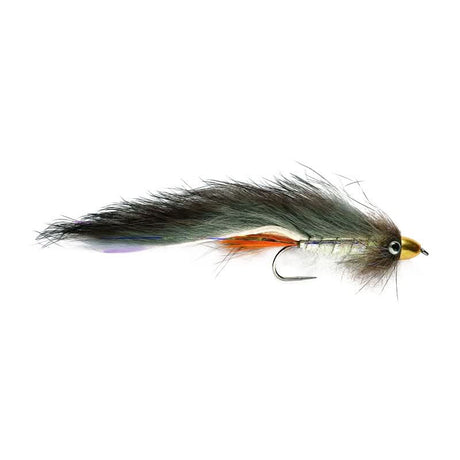
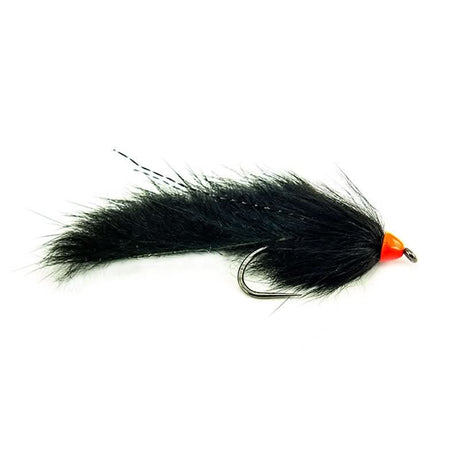
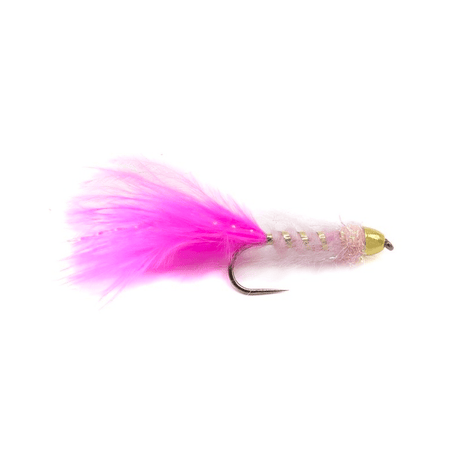
Tungsten Conehead Muskrat BL - Bright Natural #6
€2,75 EURUnit price /UnavailableLow stock (4 units)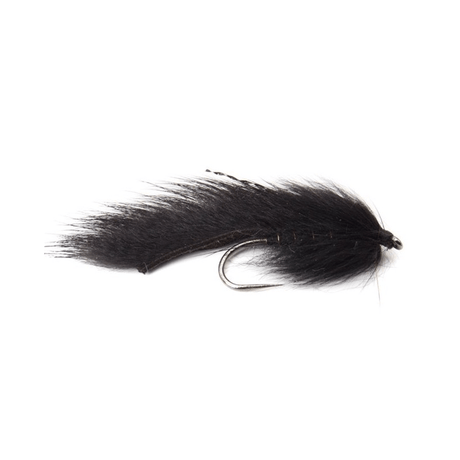
Go-Fish
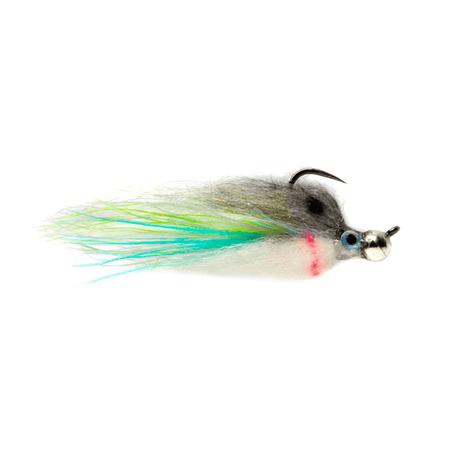
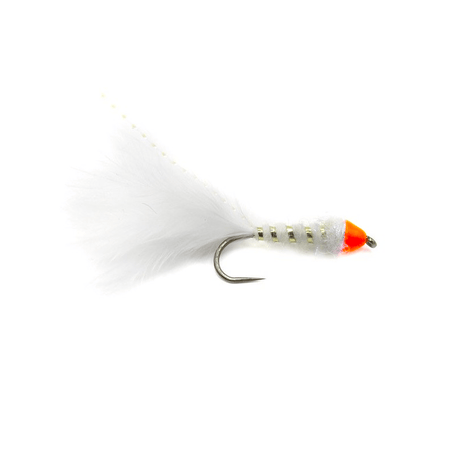
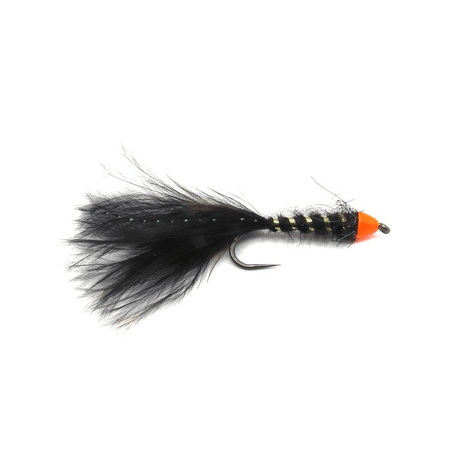
Marabou Leech Tungsten - White/Orange #8
€2,75 EURUnit price /UnavailableLow stock (8 units)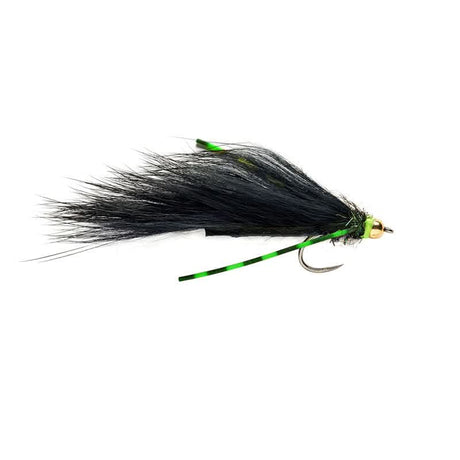
Go-Fish
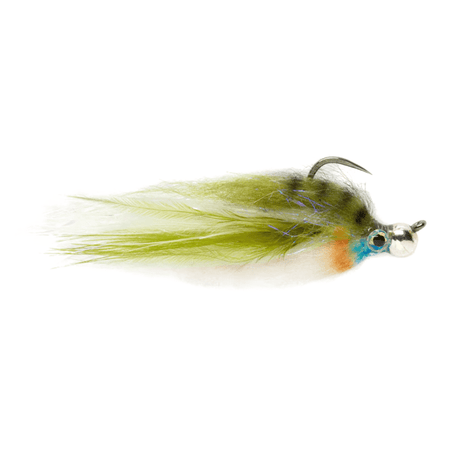
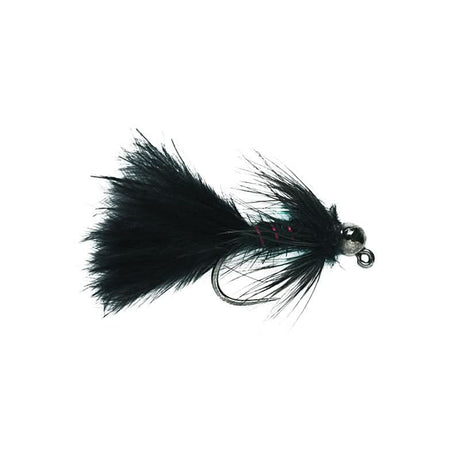
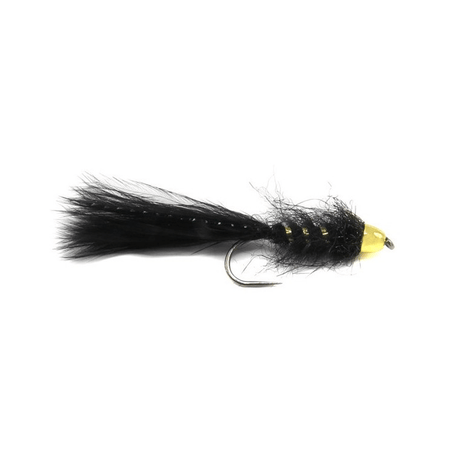
Jig Bugger Black Tungsten Barbless #12
€2,75 EURUnit price /UnavailableVery low stock (1 unit)
 Sold out
 Sold out
Go-Fish
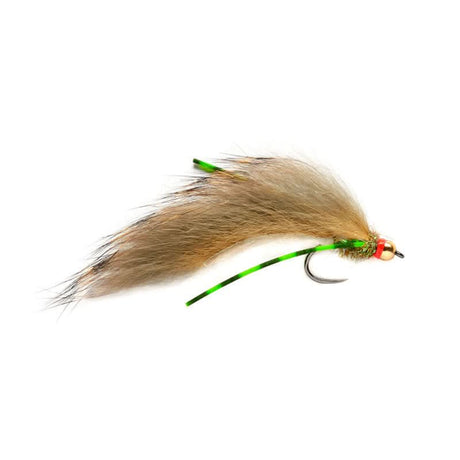
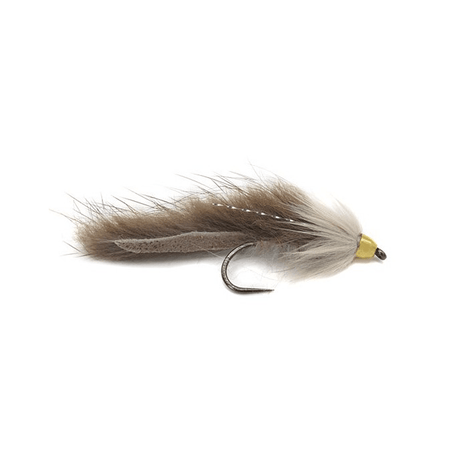
Tungsten Conehead Muskrat BL - Dark Natural #6
€2,75 EURUnit price /UnavailableLow stock (4 units)

Go-Fish
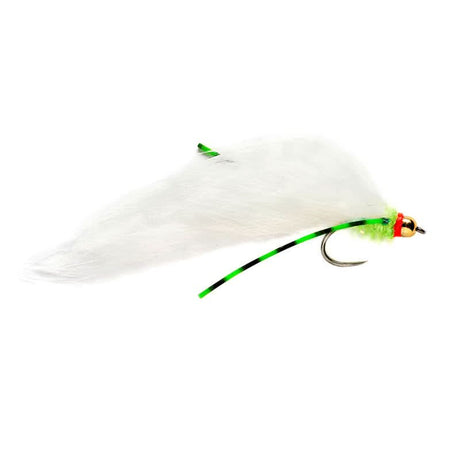
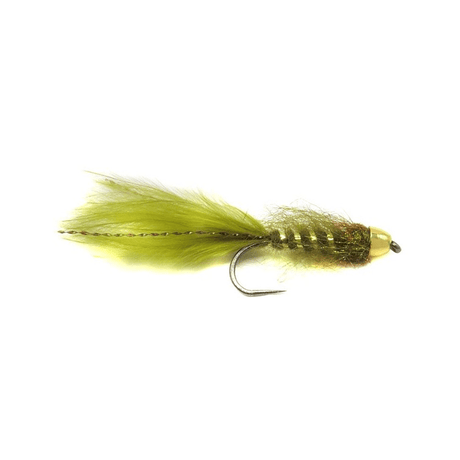
Tungsten Conehead Muskrat BL - Orange #6
€2,95 EURUnit price /UnavailableLow stock (7 units)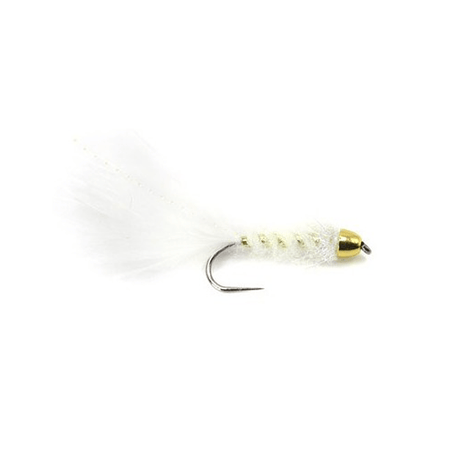

 Sold out
 Sold out
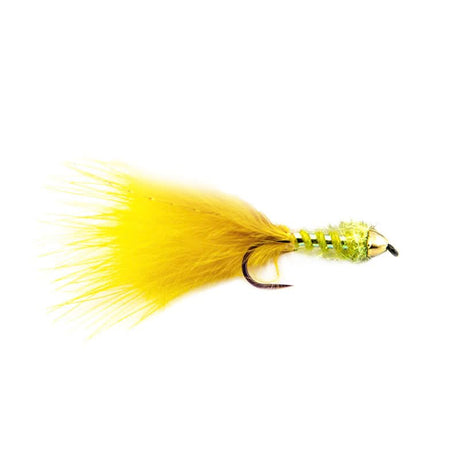
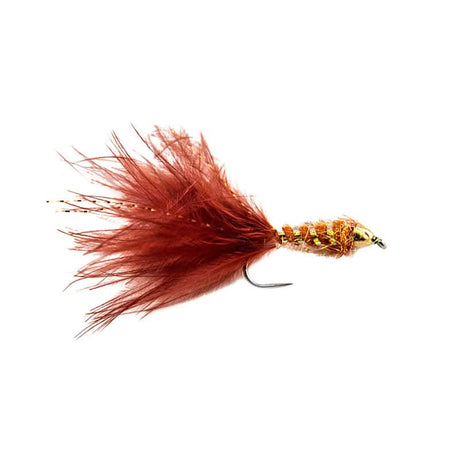

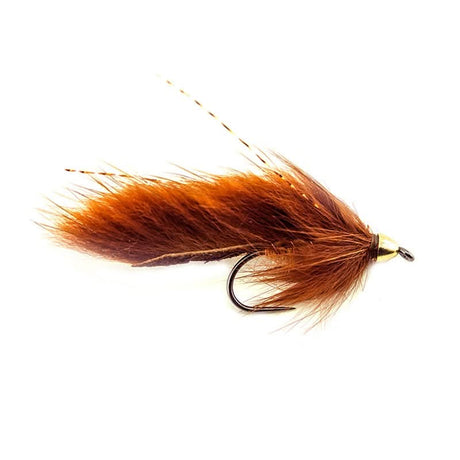
Go-Fish
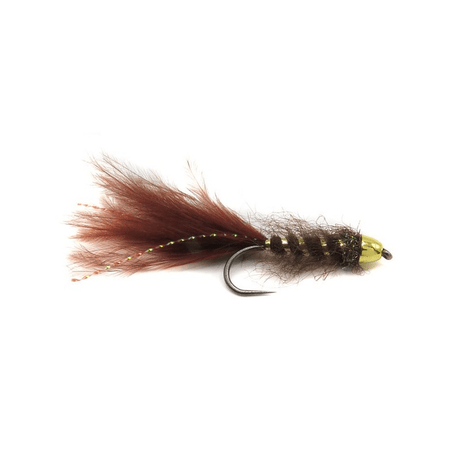
Tungsten Conehead Muskrat BL - Rusty Brown #6
€2,75 EURUnit price /UnavailableLow stock (6 units)
Go-Fish
Tungsten Conehead Muskrat BL - Brown #6
€2,75 EURUnit price /UnavailableLow stock (5 units)


Barbless Fly Fishing Streamers: Movement, Profile and Hook Choice
Streamer fishing offers a different approach from presenting dry flies or nymphs. Instead of focusing primarily on small aquatic insects, anglers can imitate baitfish, leeches and other prey with flies that move through the water. Barbless streamers combine these patterns with hooks designed without a traditional barb.
The selection includes Woolly Bugger, Zonker, Marabou Leech and small Minnow-style flies, with different materials and weighting arrangements. This provides a choice between subtle, compact patterns and flies with more pronounced movement or added weight.
Woolly Bugger and Zonker Streamers
Woolly Bugger patterns
Woolly Buggers are familiar streamer patterns that can be fished using a variety of retrieves. Their movable materials and distinctive silhouette allow different presentations, from a controlled retrieve to short pulls and pauses.
Some versions include additional head weighting. When choosing a pattern, consider the depth and water speed rather than assuming that all Woolly Buggers behave alike.
Zonker flies
Zonkers offer a different construction, with variations in material, body profile and head design. The barbless selection includes Flexi, Squirrel and Conehead styles.
Compare their dimensions and intended presentation. A compact Zonker may be appropriate for a different situation from a more heavily weighted pattern.
Leech Patterns and Small Baitfish Imitations
Barbless Leech streamers provide another way to present a soft-bodied, moving fly. Variations in colour and weighting allow anglers to adapt the appearance and depth of the pattern.
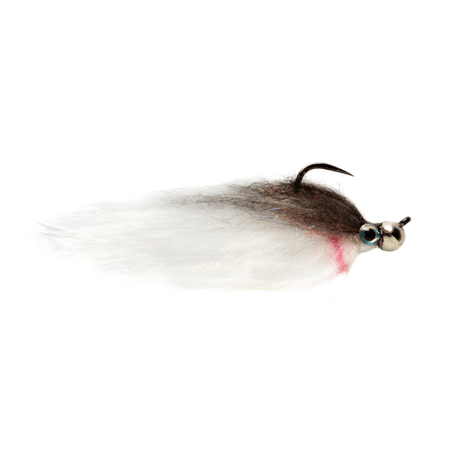
Small Jiggy Fat Minnow designs add a baitfish-style profile to the range. Jig hooks and different head constructions give these flies a distinct shape compared with traditional Zonkers or Woolly Buggers.
Weighted Streamers and Tungsten Heads
Selected barbless streamers use tungsten or other weighted head designs. These can be useful when an angler wants the fly to descend further into the water column.
Weight and hook style are separate characteristics. A barbless fly is not necessarily unweighted, and a tungsten-headed streamer is not automatically barbless.
Choose the weighting alongside your line, leader, water depth and preferred retrieve.
Choosing Size, Colour and Action
Think first about the prey you want to imitate and the conditions you expect to fish. Compact patterns and larger streamers are suited to different approaches.
Natural black, olive and brown colours can be complemented by white, orange and other contrasting combinations. Carrying a few different profiles is often more useful than several nearly identical flies.
On waters with barbless-hook rules, verify the specific pattern's hook configuration. During the fight, keep steady contact with the fish and handle it carefully when releasing.
Explore our wider fly fishing streamer collection for other constructions, or browse pike streamers when targeting larger predators.
Frequently Asked Questions About Barbless Streamers
What is a barbless fishing streamer?
It is an artificial streamer fly tied on a hook without a barb. The fly can still have different body materials, profiles and weighting arrangements.
Can a barbless streamer have a tungsten head?
Yes. Some barbless streamer patterns use tungsten weighting. Hook configuration and fly weight should always be considered separately.