Go-Fish
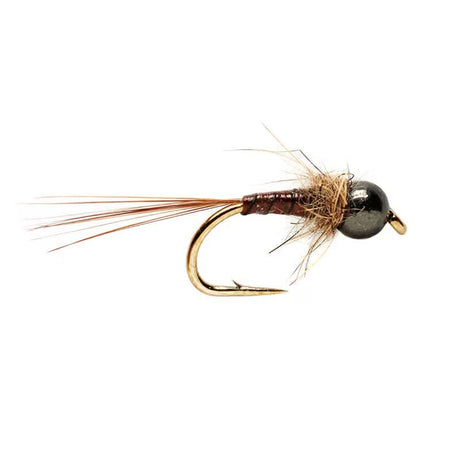
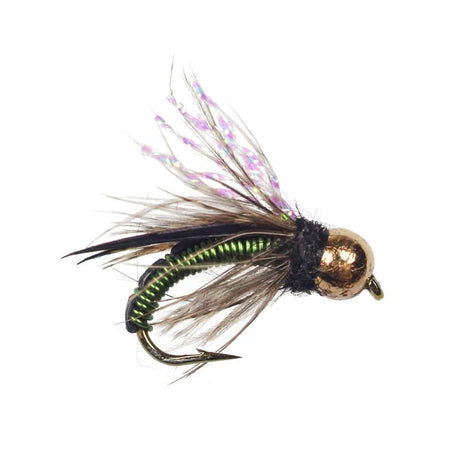
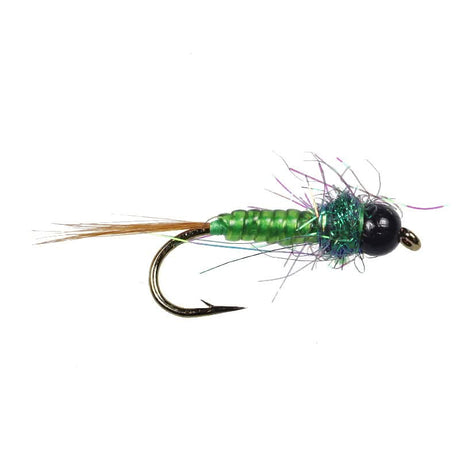
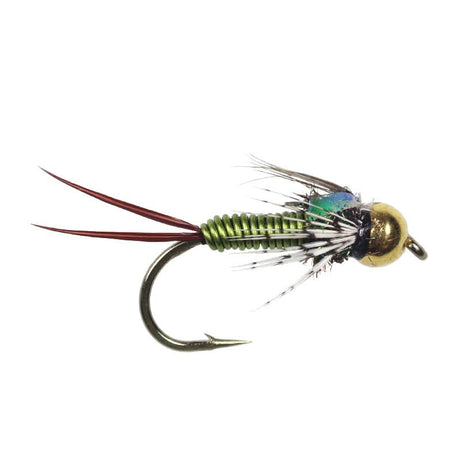
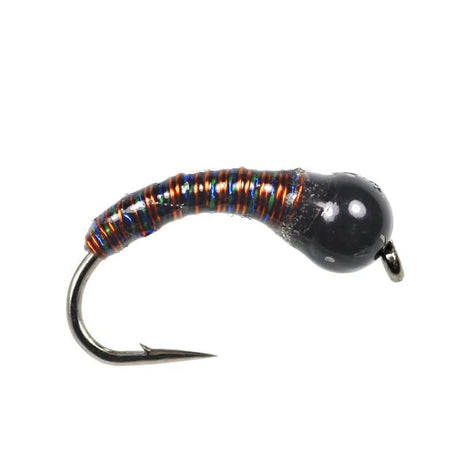
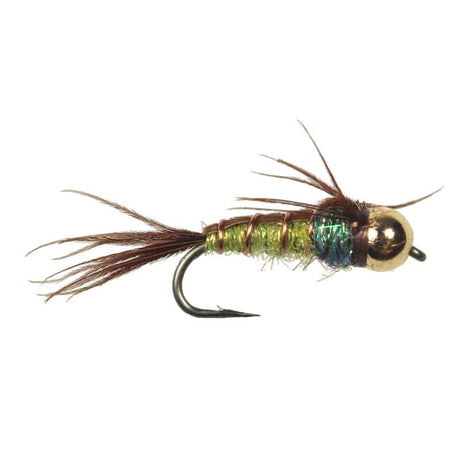
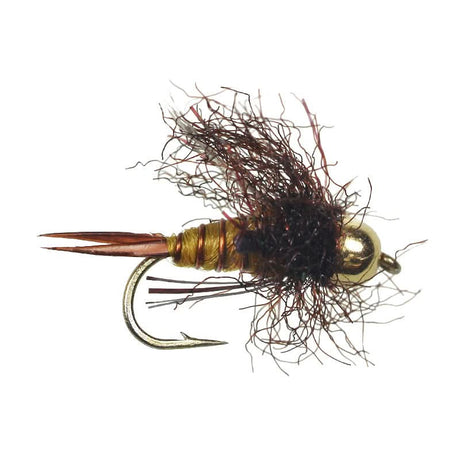
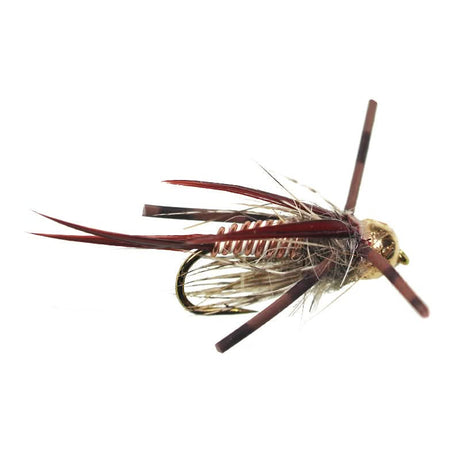
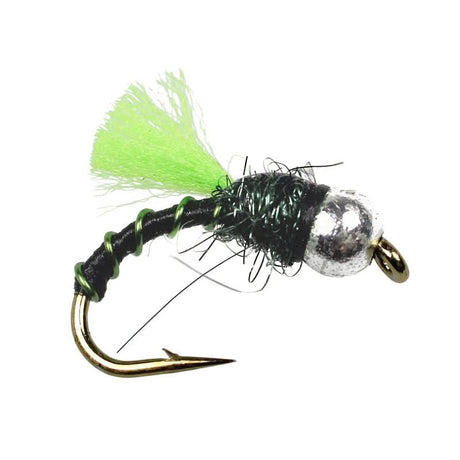
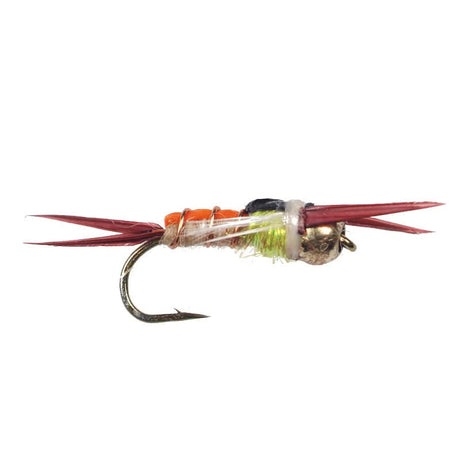
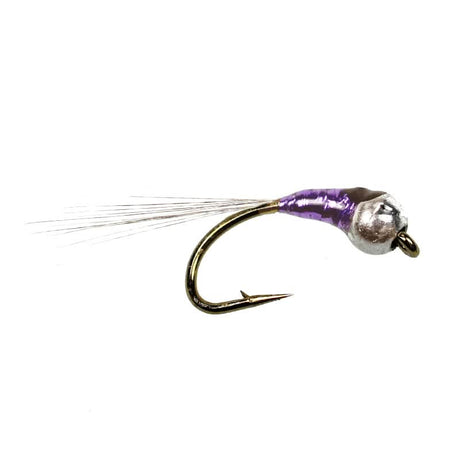
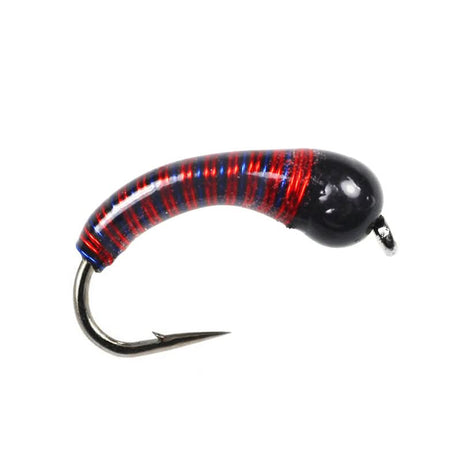
Tungsten Epoxy Copper Blue Wire Caddis
€1,85 EURUnit price /UnavailableLow stock (3 units)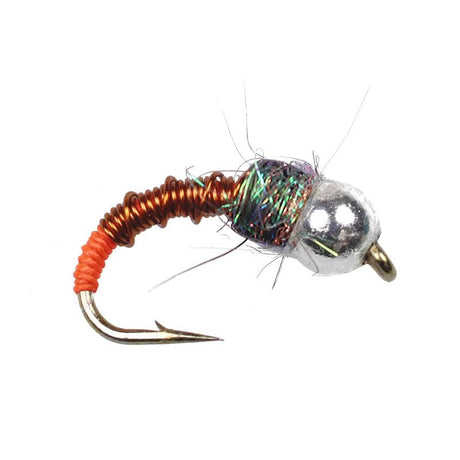 Sold out
 Sold out
 Sold out
 Sold out
-
 Sold out
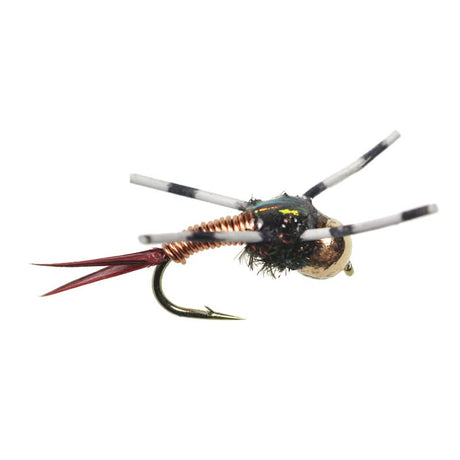
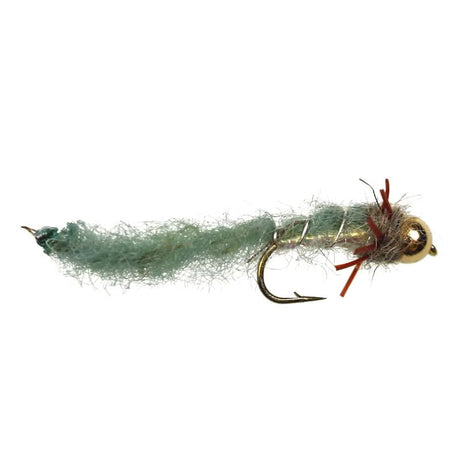
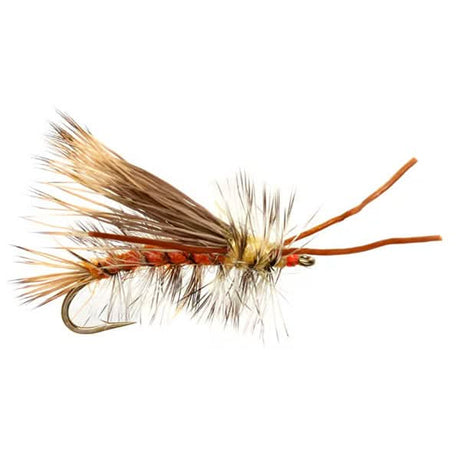
Tungsten Nymph Flies for Depth and Current Control
When trout and grayling are feeding below the surface, getting your fly to the right depth is a major part of an effective presentation. Tungsten nymph flies provide additional weight, making them particularly useful for fishing deeper runs and faster-moving water.
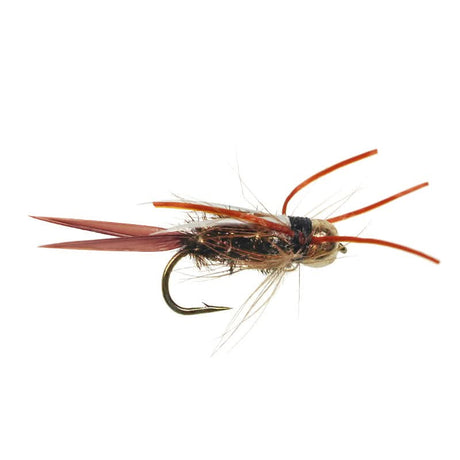
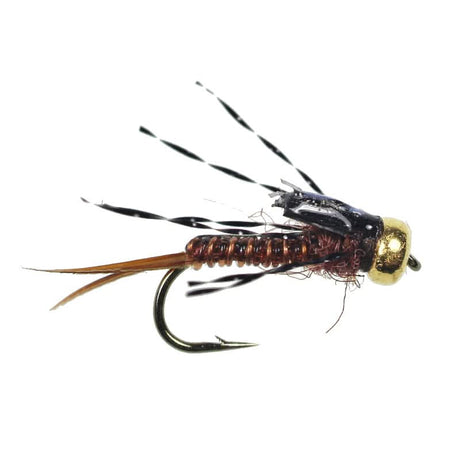
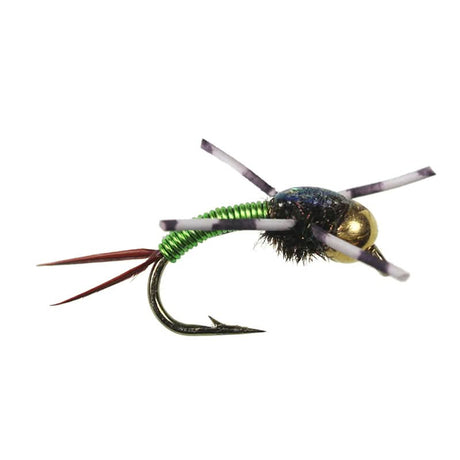
This selection includes caddis and stonefly imitations, Pheasant Tail patterns, Prince-style nymphs and a variety of other weighted designs. Different hook sizes, body profiles and colour combinations help you choose a fly suited to the conditions rather than relying on one pattern for every situation.
Why Fish with Tungsten-Weighted Nymphs?
Tungsten is used in fly tying to add weight without requiring an excessively bulky design. Its density makes it useful for compact nymphs intended to descend through the water.
Additional weight can help when fishing deeper pockets and stronger currents, but it does not guarantee a particular sinking speed. The fly's construction, leader arrangement, current and actual weight all influence how it behaves.
In shallow water, an overly heavy nymph may make a controlled drift more difficult. Choosing the right weight is therefore just as important as choosing a suitable fly pattern.
Caddis, Stonefly and Classic Nymph Patterns
Tungsten caddis flies
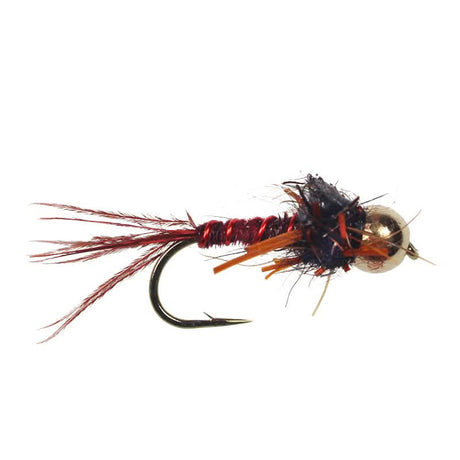
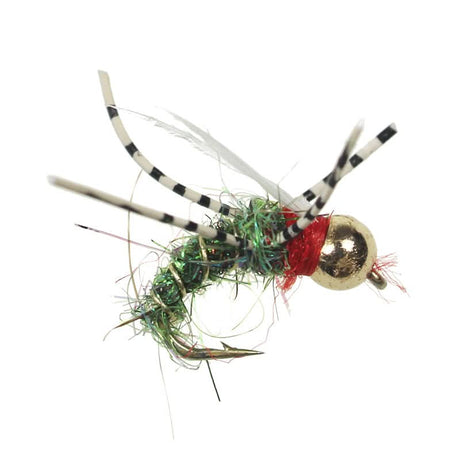
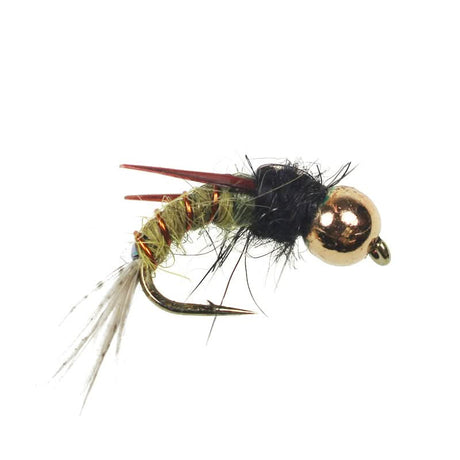
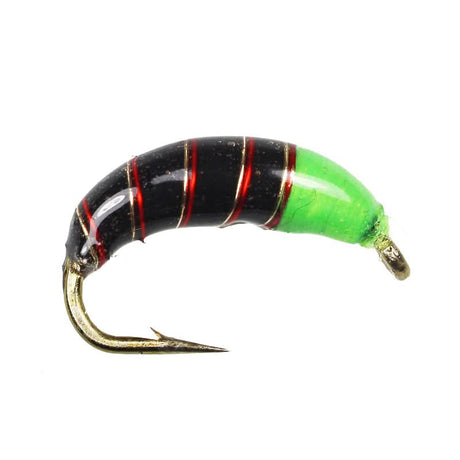
Caddis-style nymphs form an important part of the range. Options include olive and amber patterns, ribbed bodies and variations featuring contrasting copper, red or other coloured details.
Compare body shape and hook size alongside colour. Two similarly coloured caddis nymphs may still differ in profile and construction.
Stoneflies, Pheasant Tails and Prince nymphs
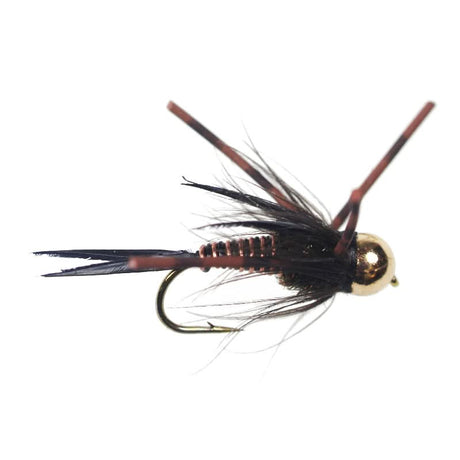
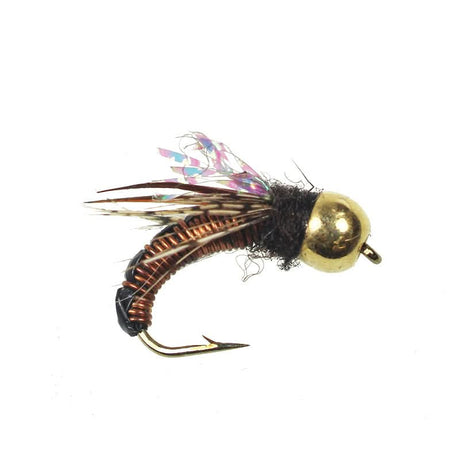
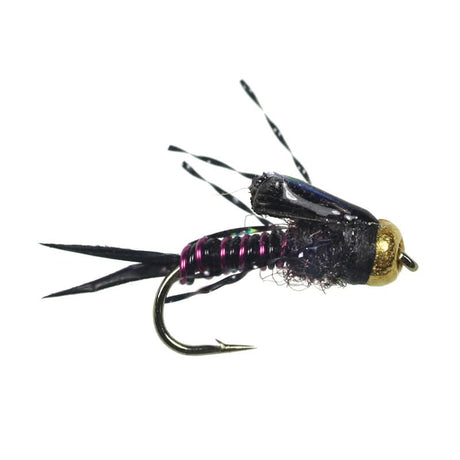
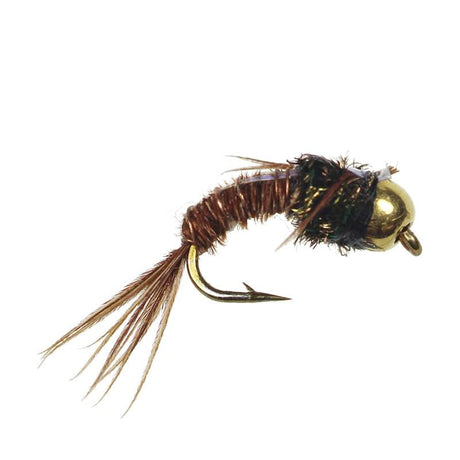
Stonefly-inspired patterns offer a different silhouette from caddis designs. Pheasant Tail and Prince patterns add further choices for anglers who want to represent a wider range of aquatic insects.
Building your selection around different profiles is generally more useful than collecting numerous flies that look and fish almost identically.
Natural Colours and High-Contrast Options
Brown, olive and black nymphs provide versatile choices for subdued presentations. The collection also includes red, yellow, copper and brighter contrasting details.
Rather than assuming that one colour will always work, choose a small range that allows you to make meaningful changes when the conditions or fish response call for them.
Choosing Tungsten Nymphs by Hook Size and Weight
Hook size helps describe the dimensions of a pattern, but does not establish the exact weight of the fly. Bead construction and overall design may vary, even between nymphs on similarly sized hooks.
Consider the depth, current strength and presentation you expect to use most often. Having a few suitably varied weighted patterns makes it easier to adjust your approach without changing the entire setup.
For waters where barbless hooks are required, explore barbless tungsten nymphs. To compare other subsurface patterns, browse our fly fishing nymphs.
Frequently Asked Questions About Tungsten Nymphs
What are tungsten nymphs used for?
They are weighted flies used for subsurface presentations, particularly when additional weight is helpful for reaching deeper water or fishing in stronger current.
Do all tungsten nymphs sink at the same speed?
No. Their construction and weight differ, and water conditions and leader setup also affect descent. Hook size alone is not a reliable measure of sinking speed.
Are tungsten nymphs always barbless?
No. Tungsten refers to the weighting, not the hook configuration. Choose a specifically identified barbless pattern when the hook style is important or required by fishery rules.