
-
-
-
-
-
-
-
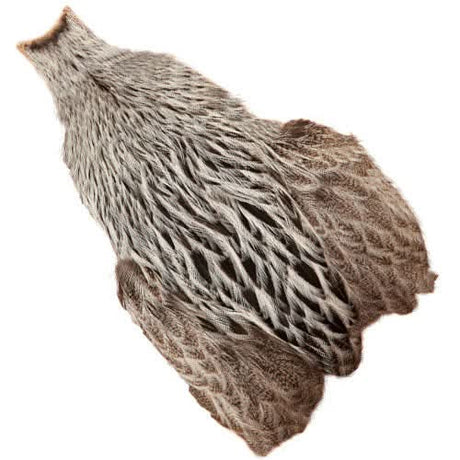
Whiting Farms
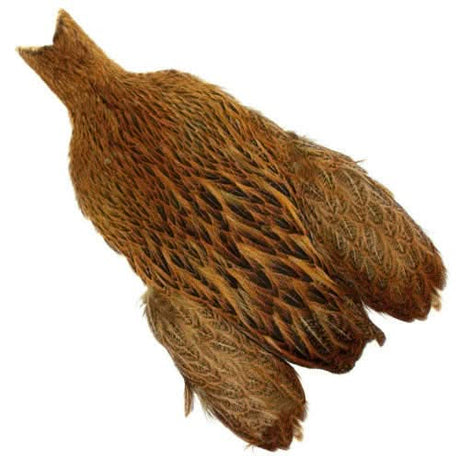
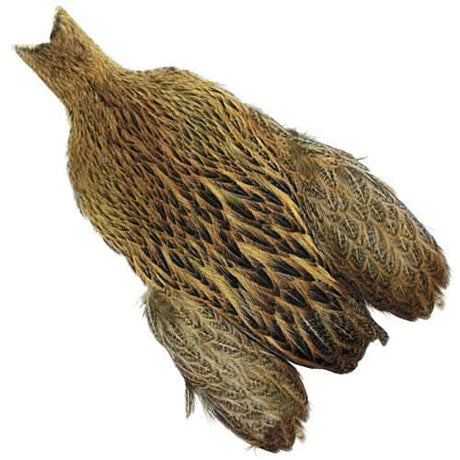
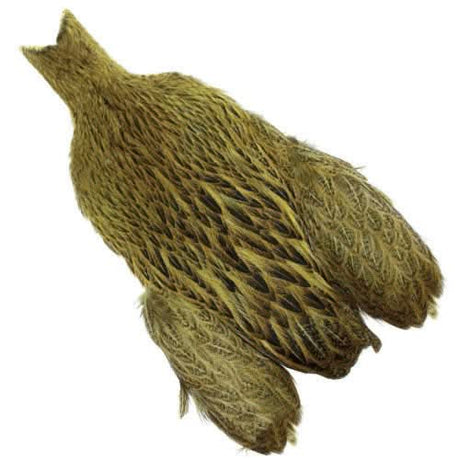
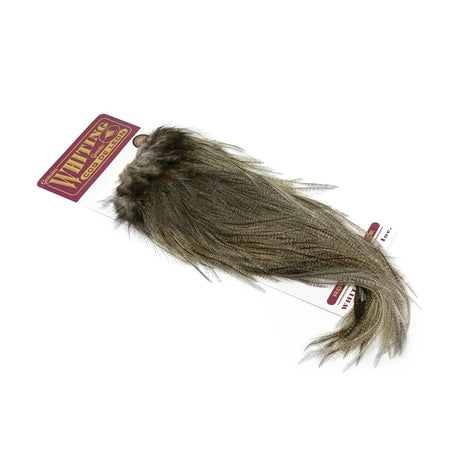
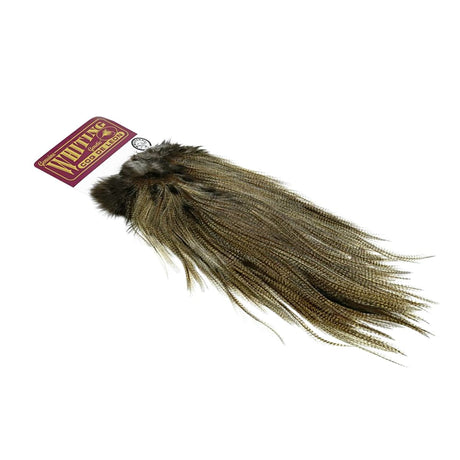
Whiting Coq de Leon Rooster Cape
€53,90 EURUnit price /UnavailableLow stock (4 units)-
-

Whiting Farms
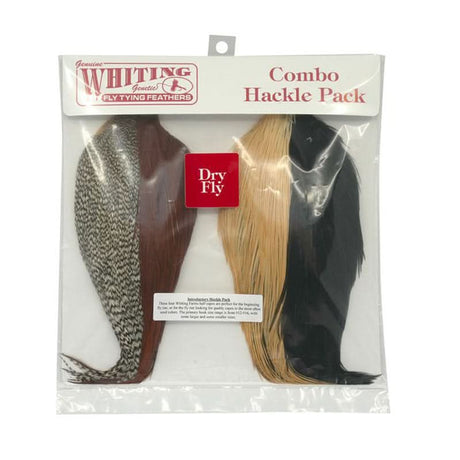
Whiting Introductory Hackle Pack 4 Half Capes
€149,90 EURUnit price /UnavailableLow stock (3 units)-
 Sold out
Whiting Farms
Whiting Coq de Leon Saddle # Silver
€84,90 EURUnit price /UnavailableLow stock (7 units)-
Whiting Farms
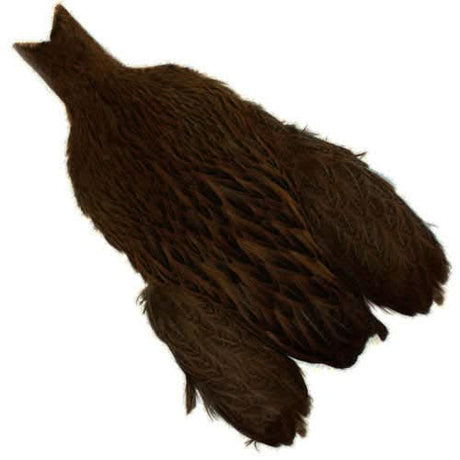
Whiting Coq de Leon Saddle # Bronze
€69,90 EURUnit price /UnavailableVery low stock (1 unit)-
 Sold out
- Sold out
-
-
Whiting Farms
Whiting Introductory Hackle Pack 4 Half Saddles Pack
€149,90 EURUnit price /UnavailableVery low stock (2 units)-
-
 Sold out
-
 Sold out


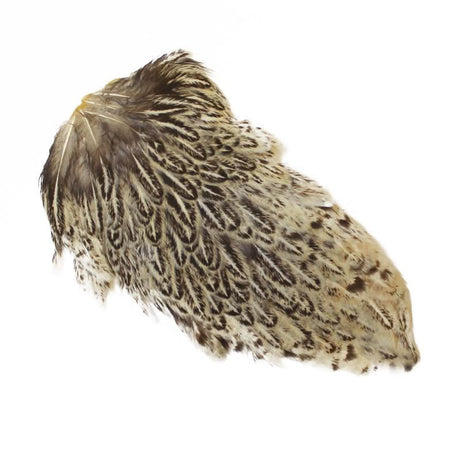
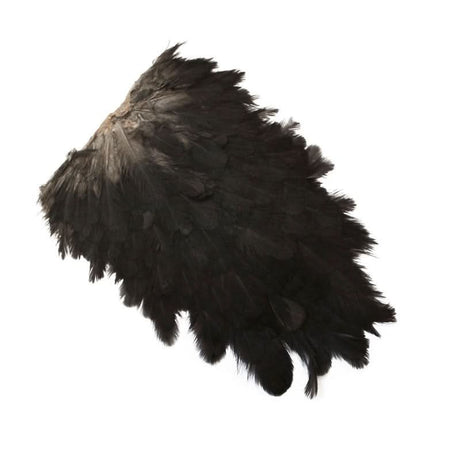
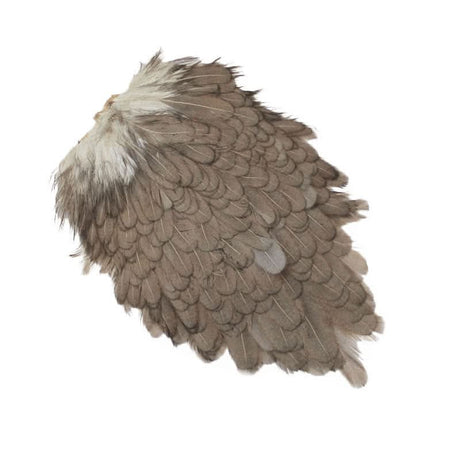
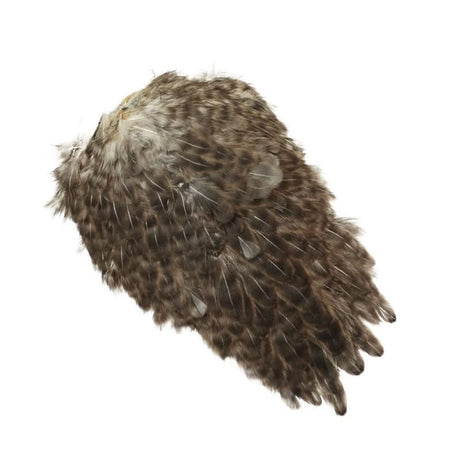
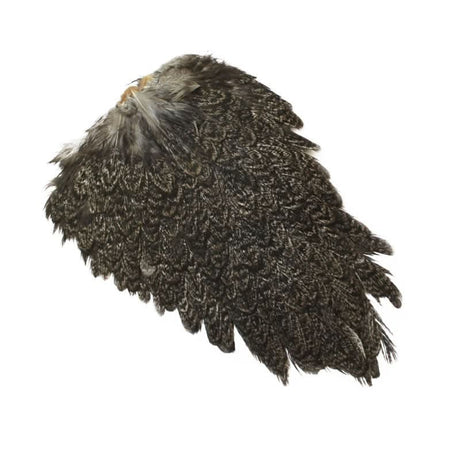
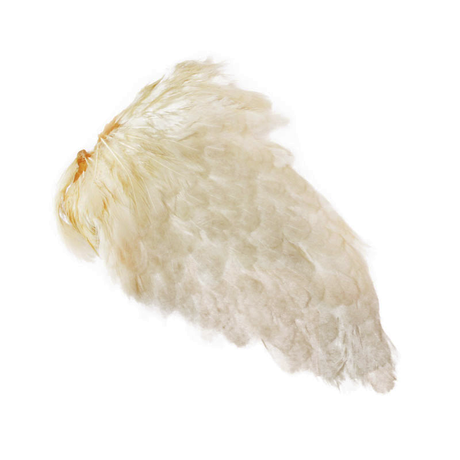


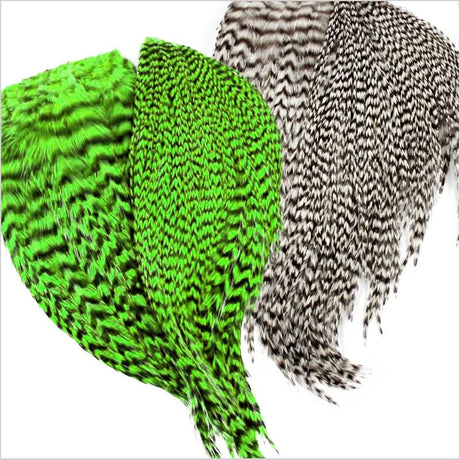
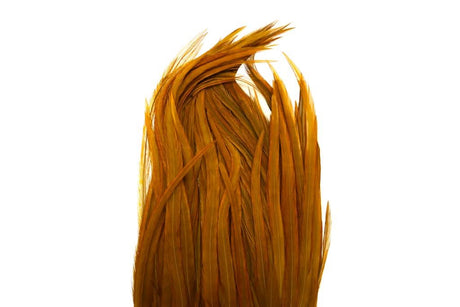
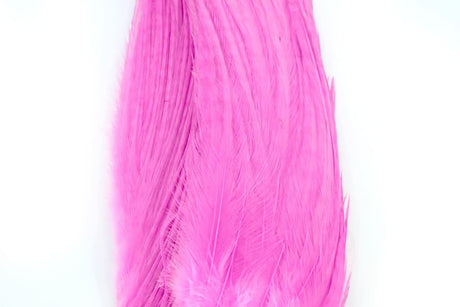
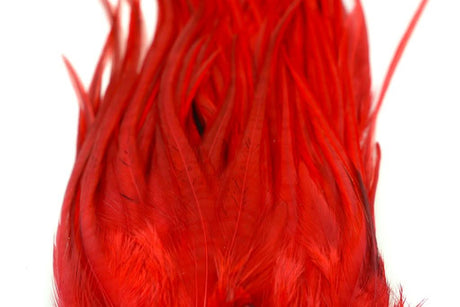
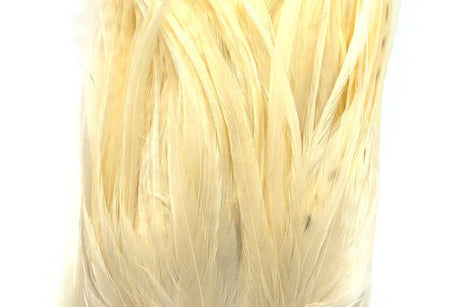
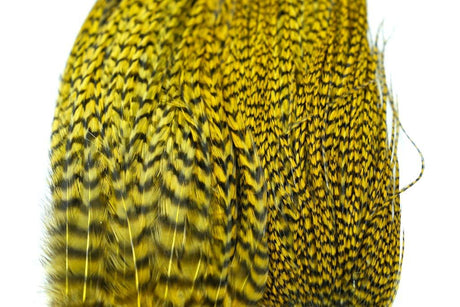
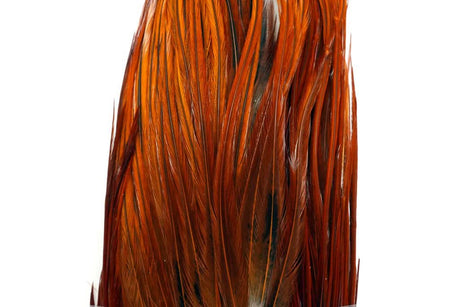
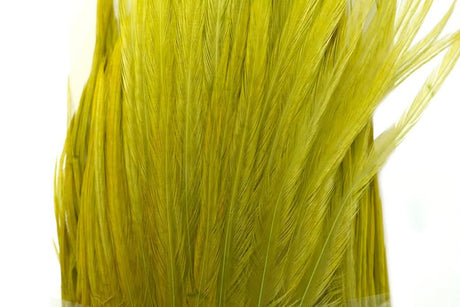
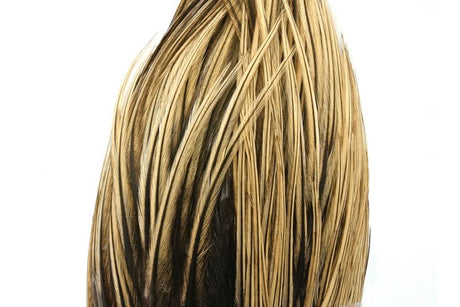
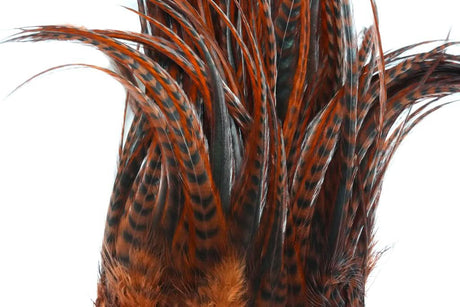
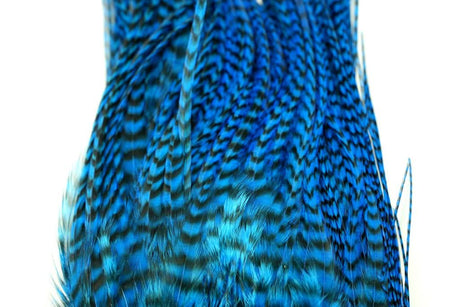
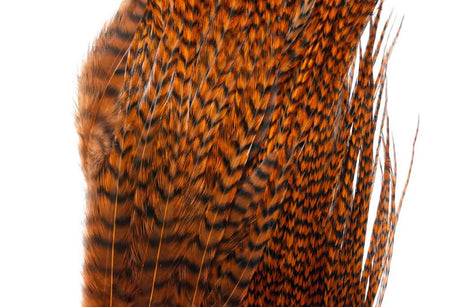
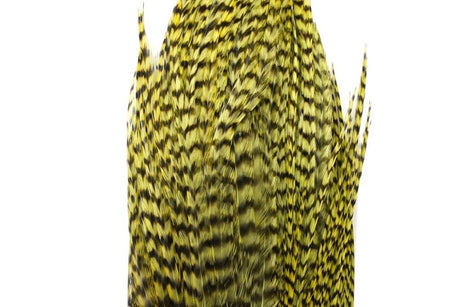
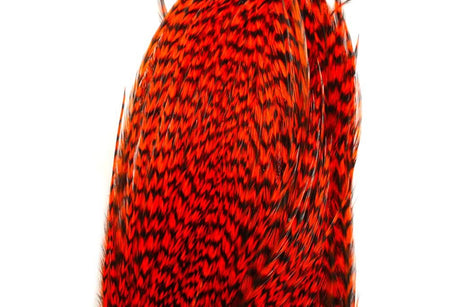
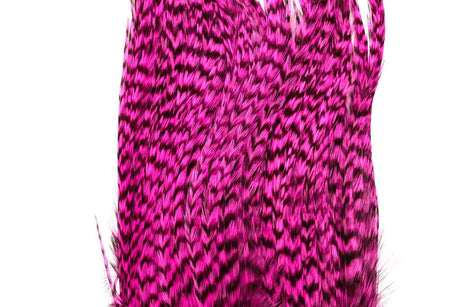
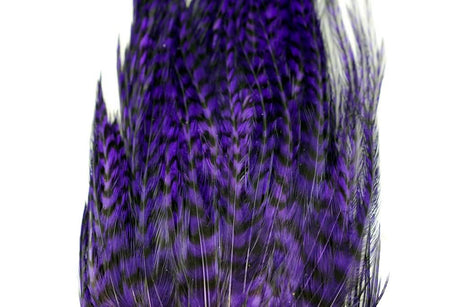
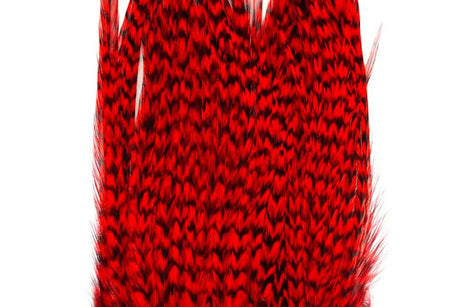
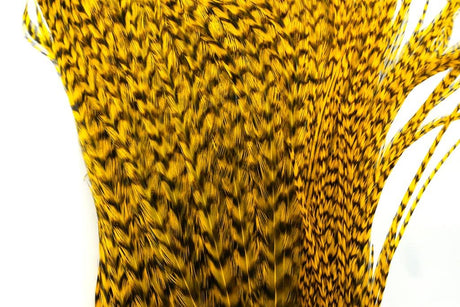


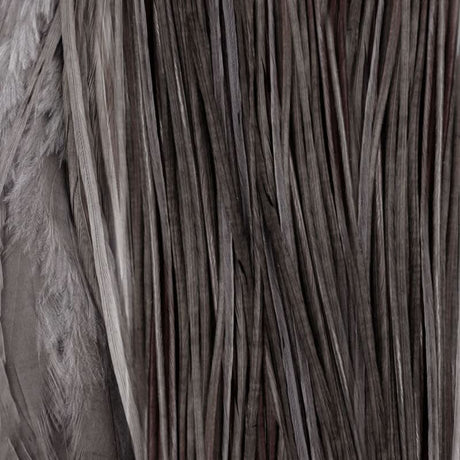
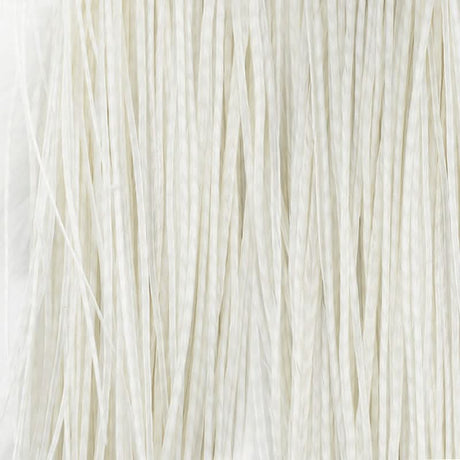
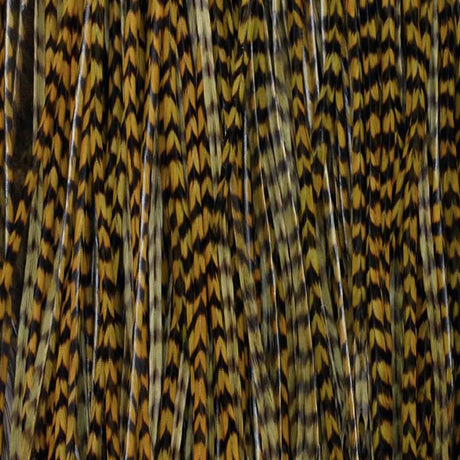
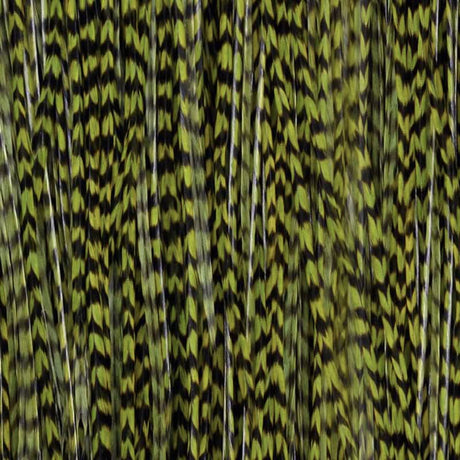
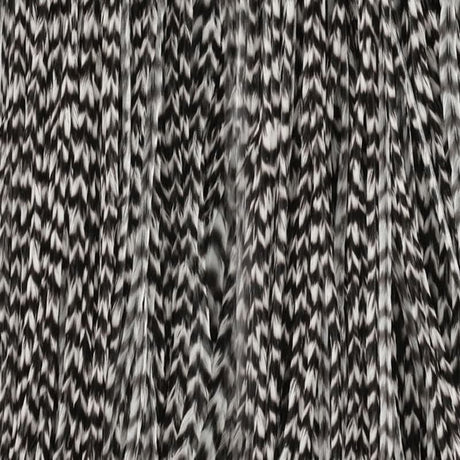


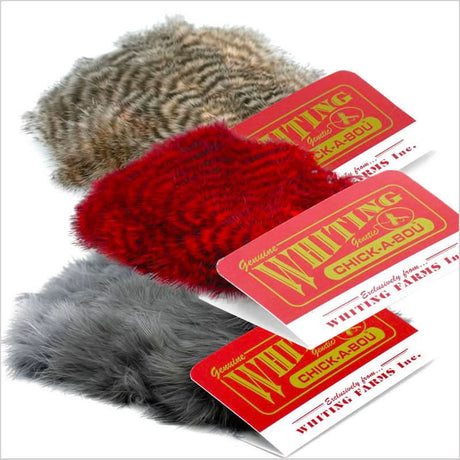
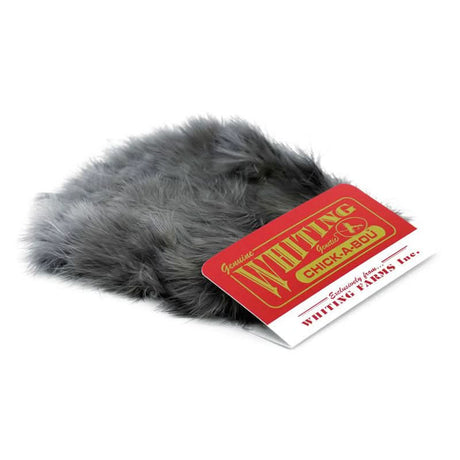
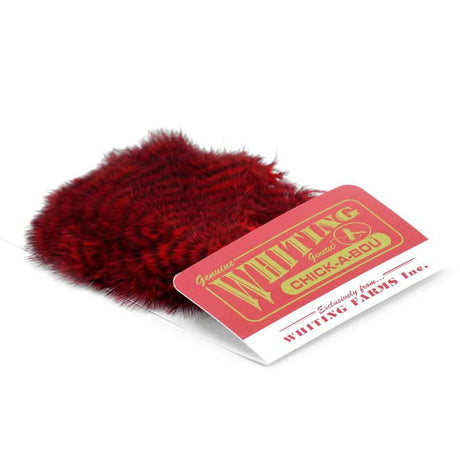
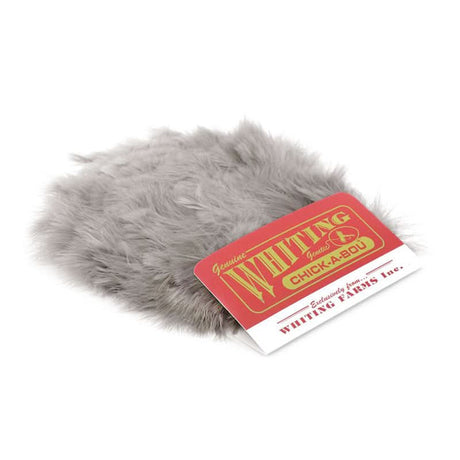
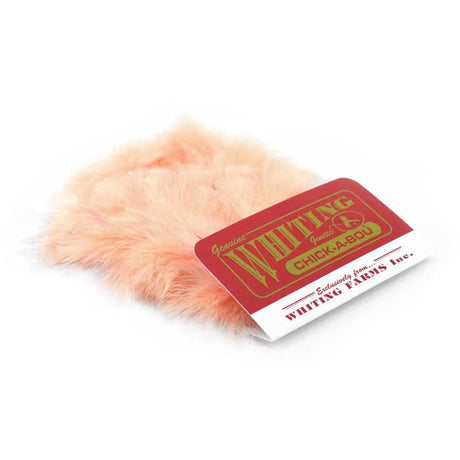
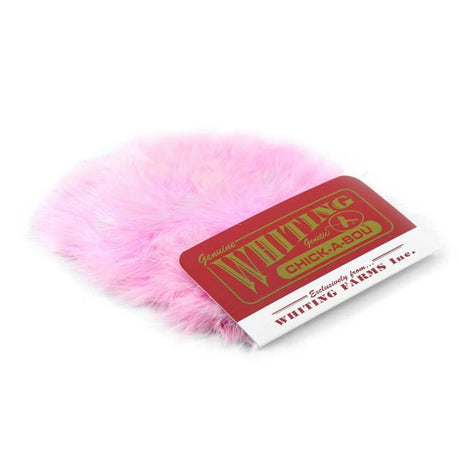
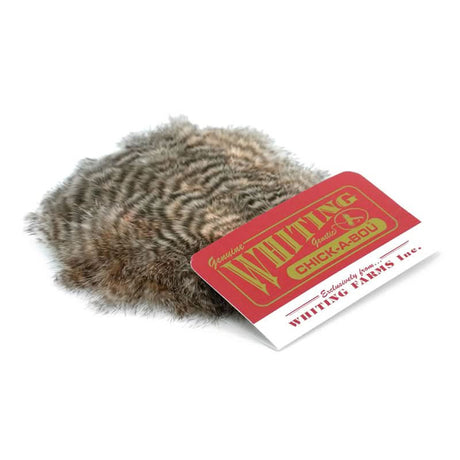
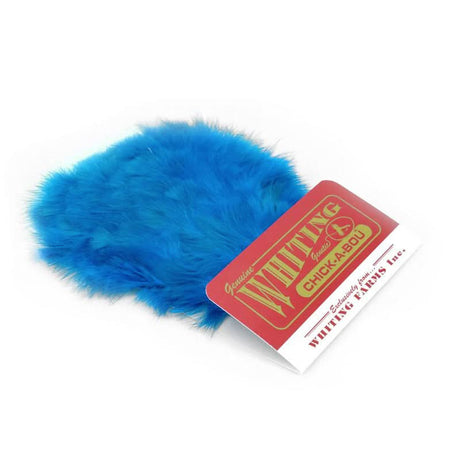
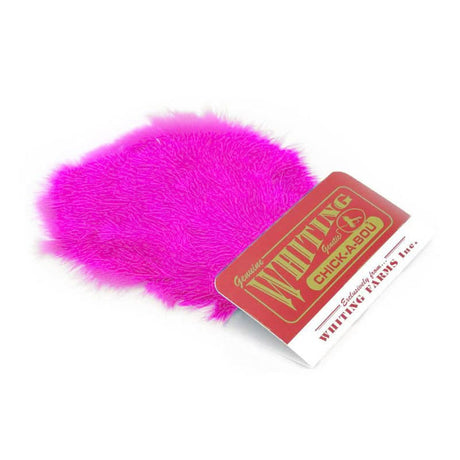
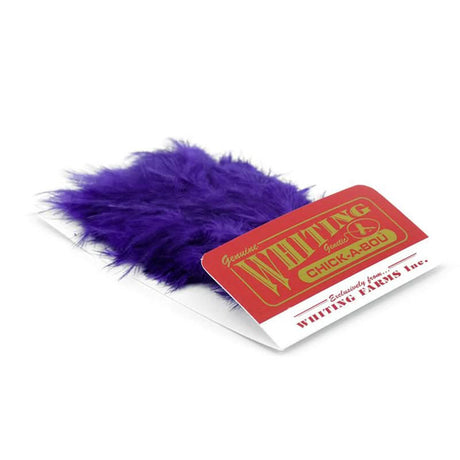
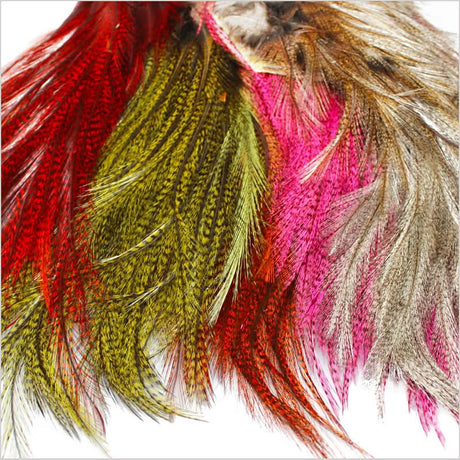
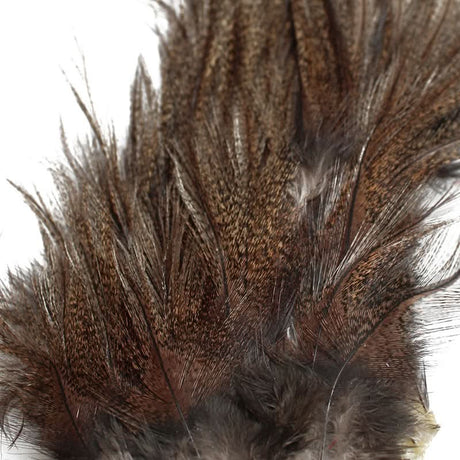
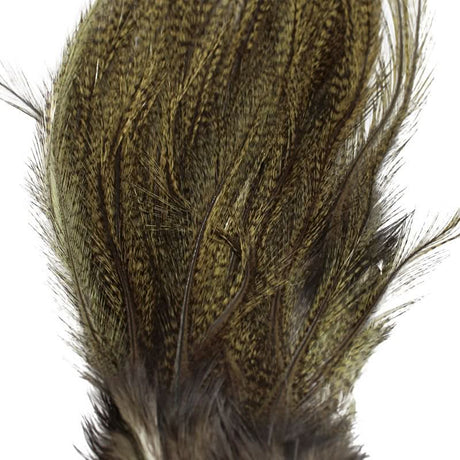
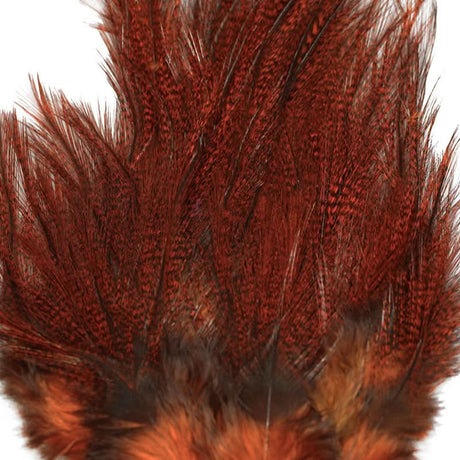
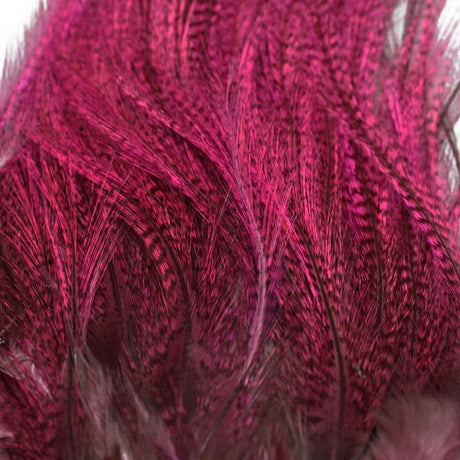
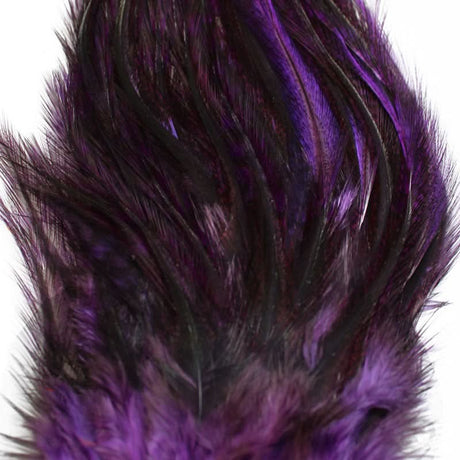
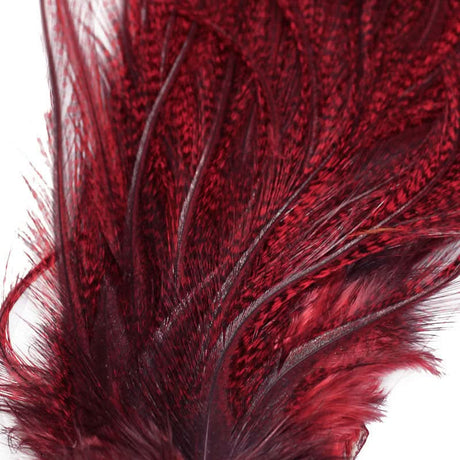
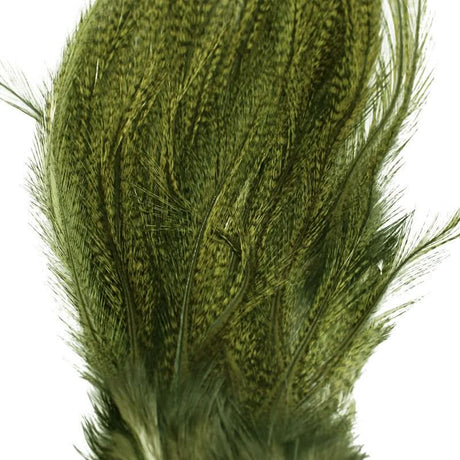
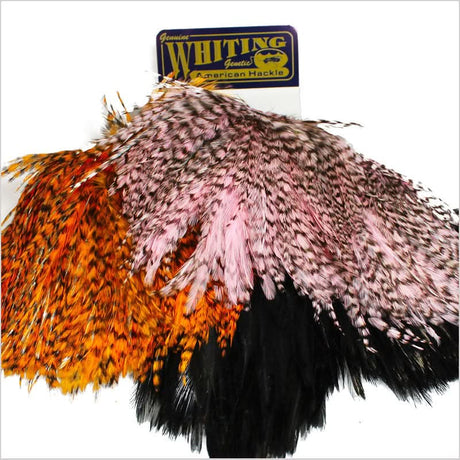
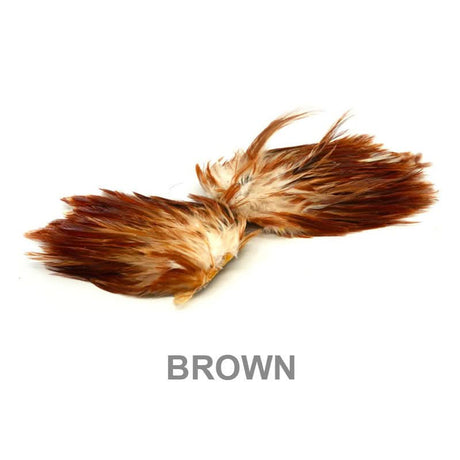
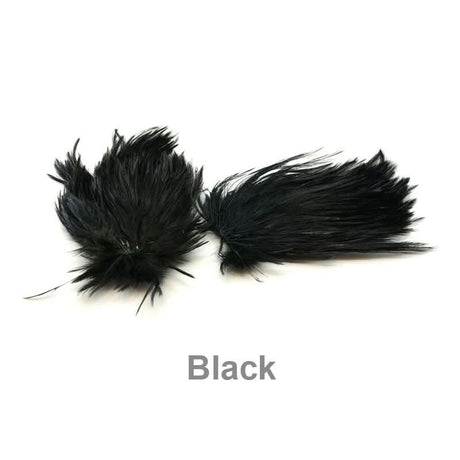
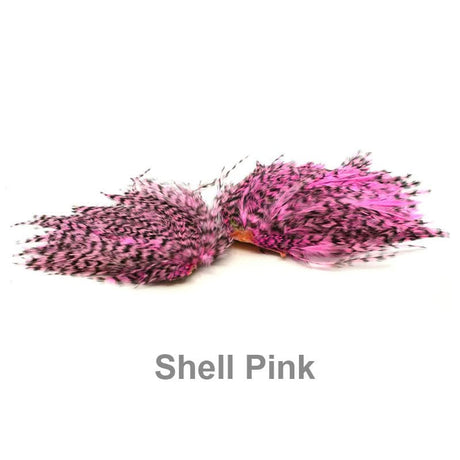
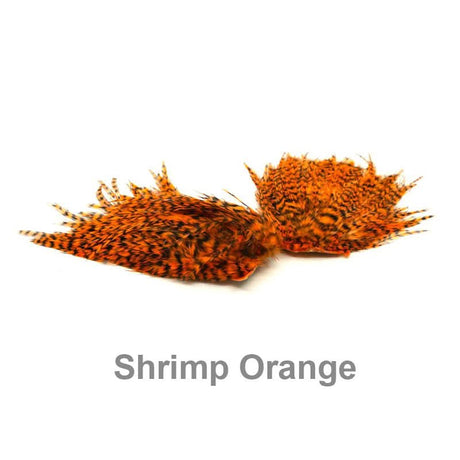
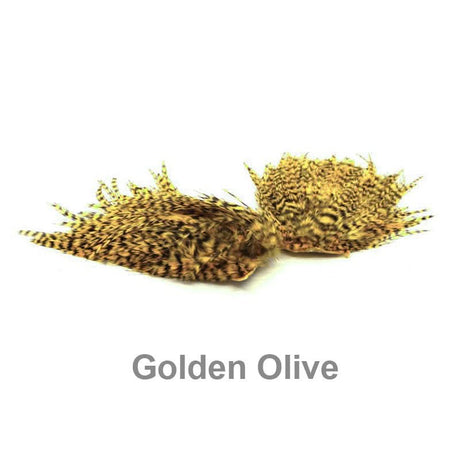
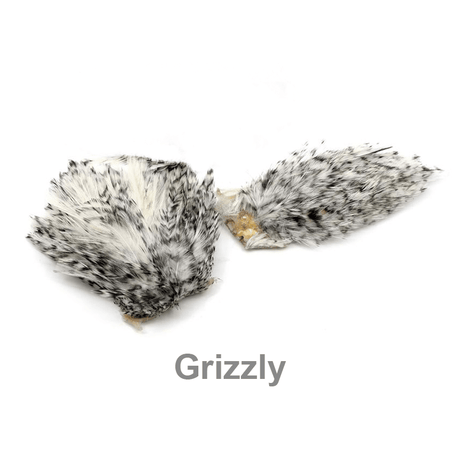


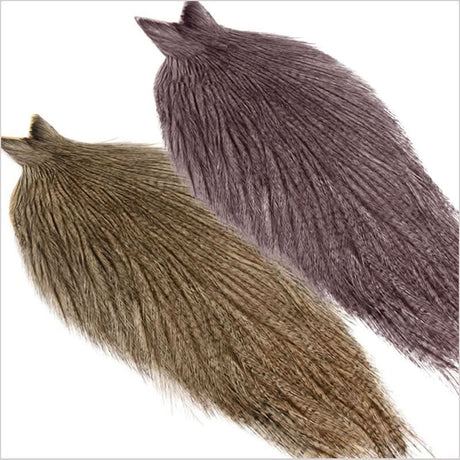
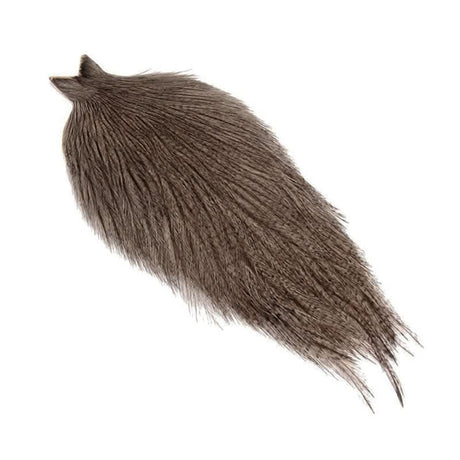
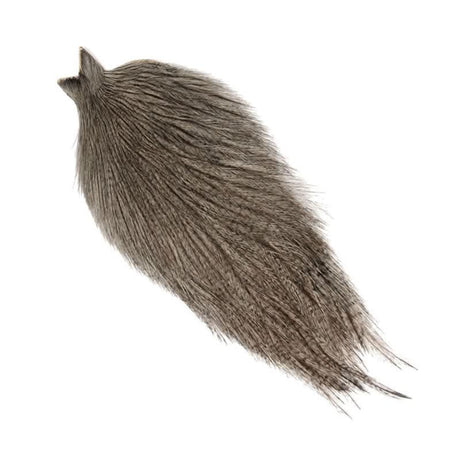
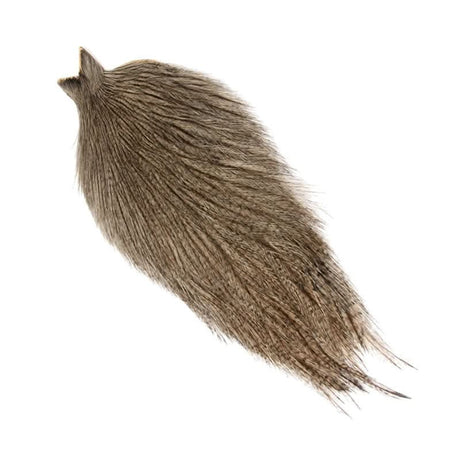
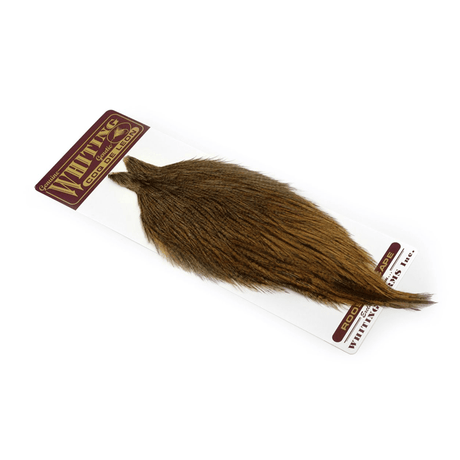
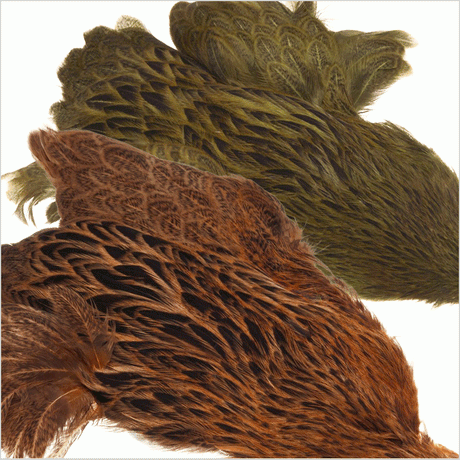
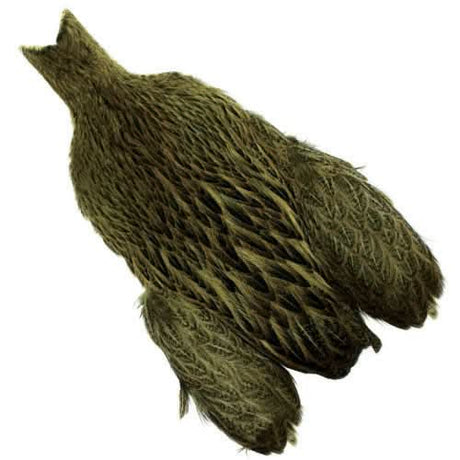




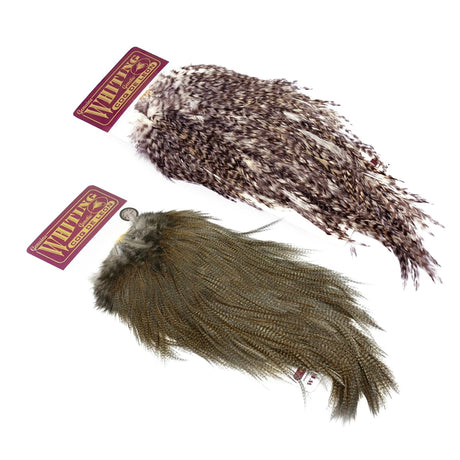
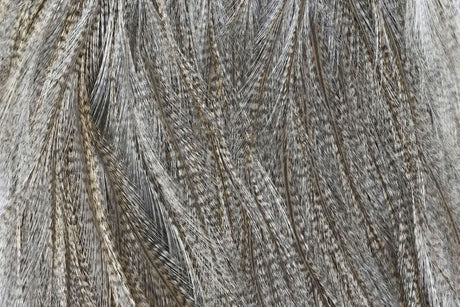
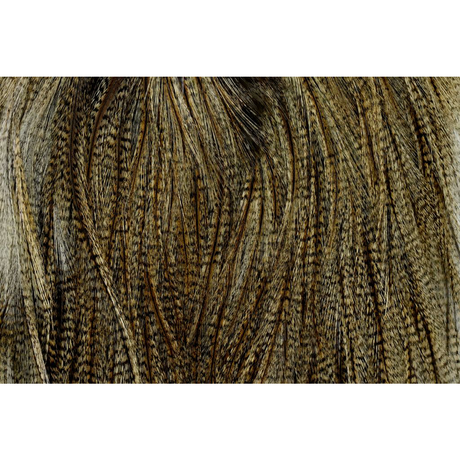
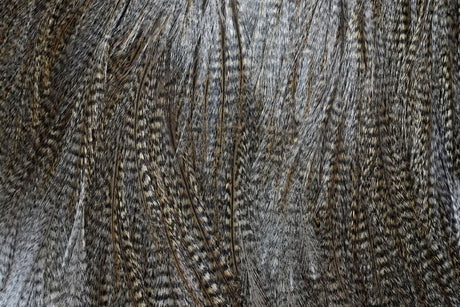
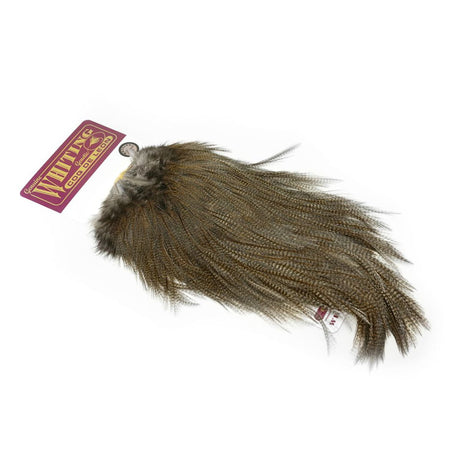
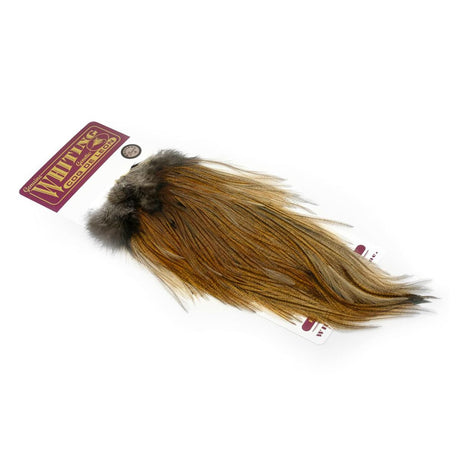
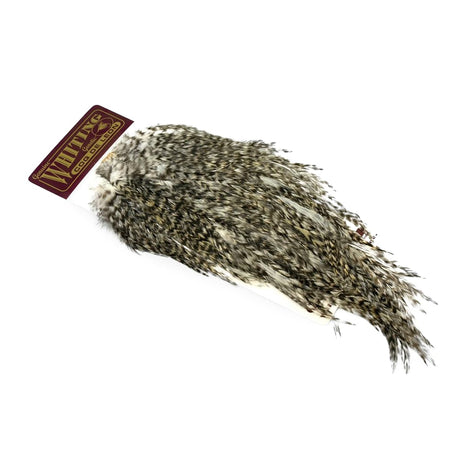

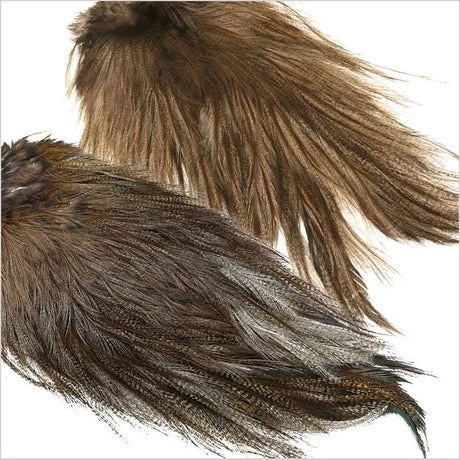


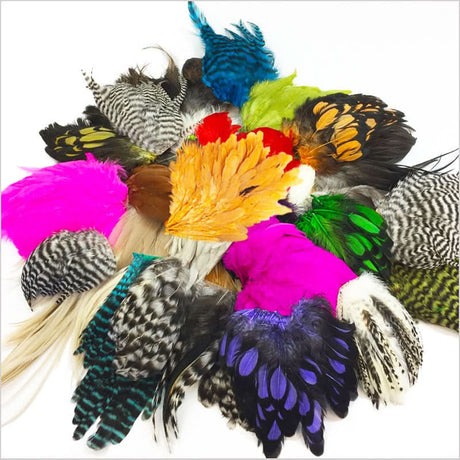
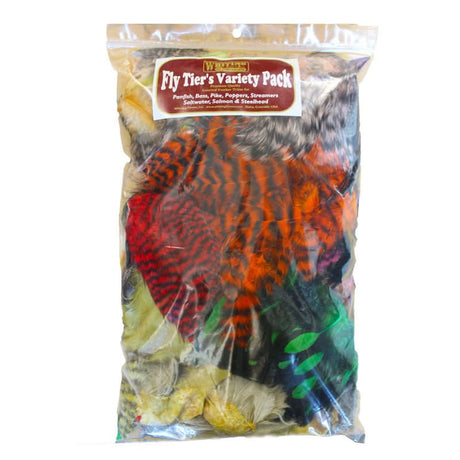


Fly Tying Capes, Saddles and Hackle Feathers for Different Patterns
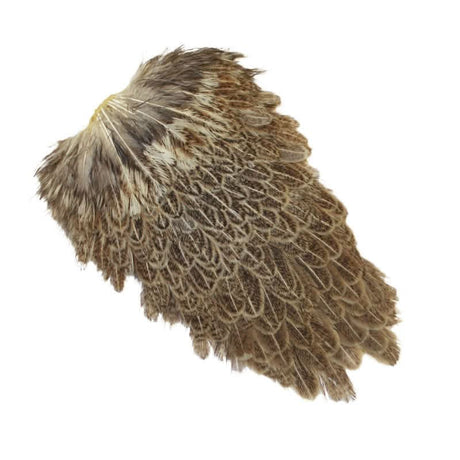
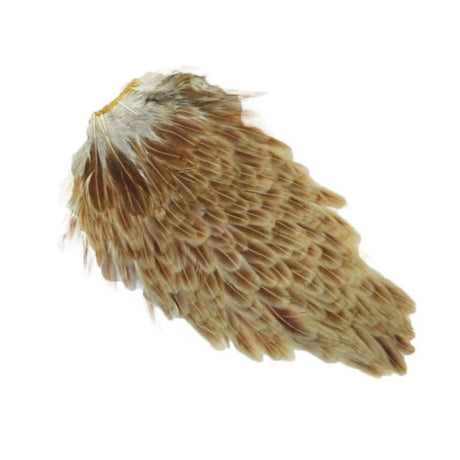
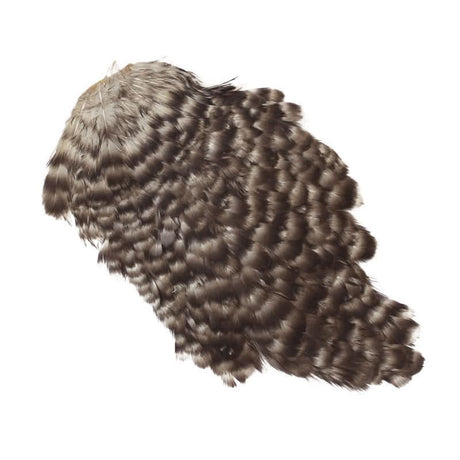
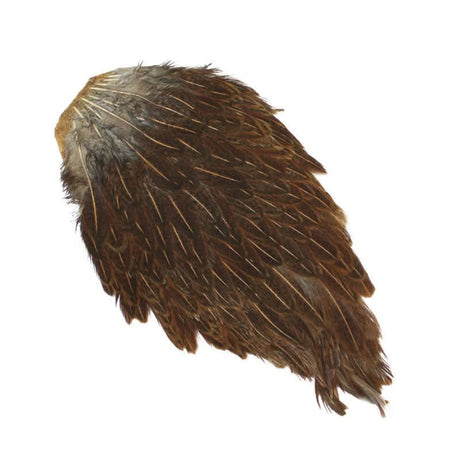
Choosing the right hackle is about more than matching the colour of a fly. Fibre length, stiffness, stem flexibility and feather size all influence how the finished pattern is tied. Fly tying capes and saddles provide different selections of feathers for dry flies, wet flies, nymphs and streamers.
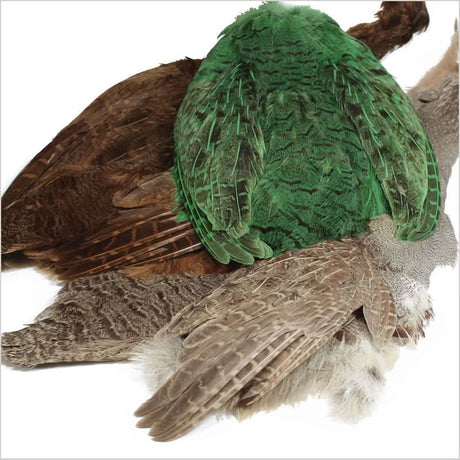
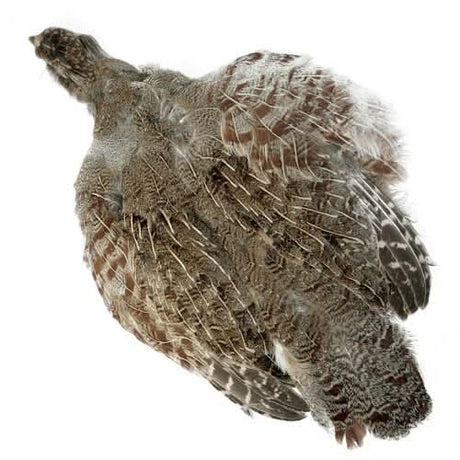
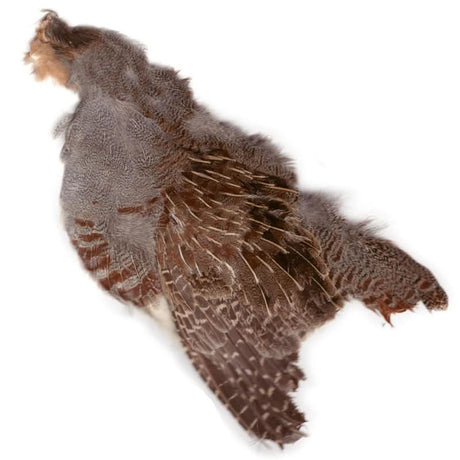
The range includes rooster capes, rooster saddles, hen capes and saddles, Coq de León materials, partridge skins and other complete feather skins. Half capes and assorted hackle packs also offer different ways to choose the amount and variety of material you need.
Rooster Capes for Dry Fly Hackles
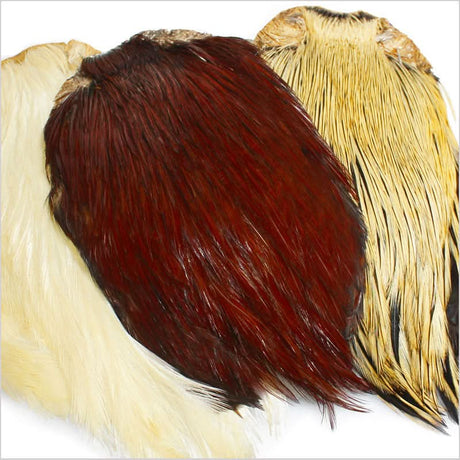
Rooster hackle capes are used in many traditional dry fly patterns. Their feathers offer different fibre lengths and sizes, allowing tiers to choose a hackle suited to a particular hook.
When selecting feathers for a dry fly, consider fibre stiffness, stem flexibility and how well the hackle dimensions match the intended pattern.
The selection includes Indian rooster capes and specialist Whiting and Metz options. Different ranges offer different feather characteristics, making it worth choosing according to the flies you regularly tie.
Rooster Capes or Saddles: Which Should You Choose?
Capes for a selection of hook sizes
A rooster neck cape offers feathers with varying lengths and fibre dimensions. This can be useful when tying different dry fly patterns across a range of hook sizes.
Compare the usable feathers rather than judging a cape simply by its overall size. The best option is the one that provides hackles suitable for your intended flies.
Saddles for selected tying applications
Rooster saddles provide a different arrangement of feathers and, depending on the grade and selection, can include long hackles suited to repeated tying of particular patterns.
Specialist Midge saddle options are also available for very small flies. If you tie many flies in a narrow range of hook sizes, a suitable saddle can be worth considering.
Neither construction is automatically better for every tier. Choose according to feather size, tying style and the patterns you intend to make.
Hen Capes and Saddles for Soft Hackles
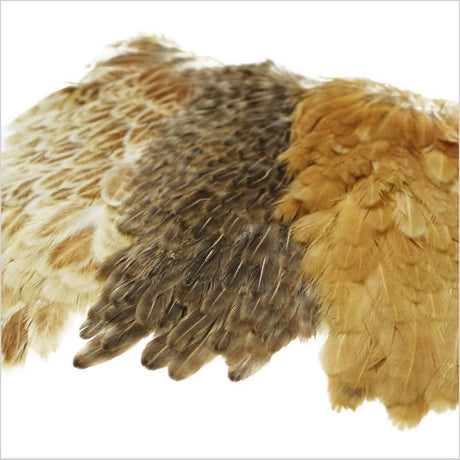
Hen feathers are often softer than the rooster hackles selected for traditional dry flies. Their fibre characteristics make them interesting for wet flies, Spider patterns and selected nymphs.
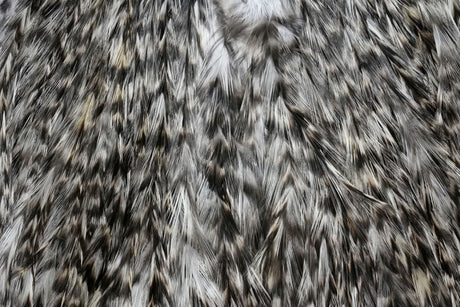
The range includes hen saddles and Brahma hen capes, providing different feather markings and textures.
When tying small wet flies, match the fibre length to the hook and avoid using more material than necessary. A light, carefully proportioned hackle can preserve the intended silhouette.
Coq de León for Tails and Detailed Fly Tying
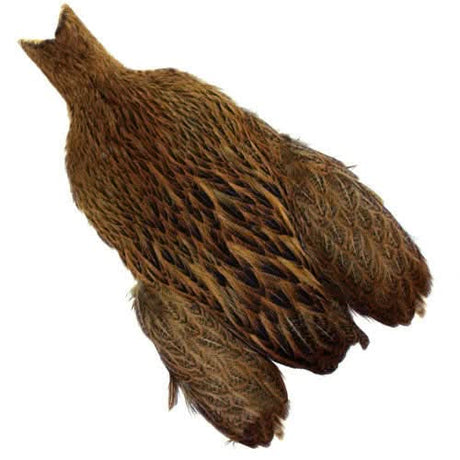
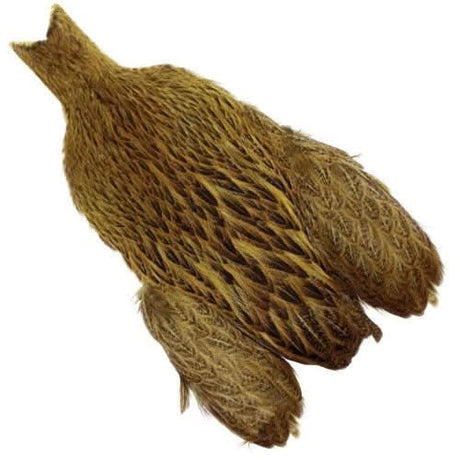
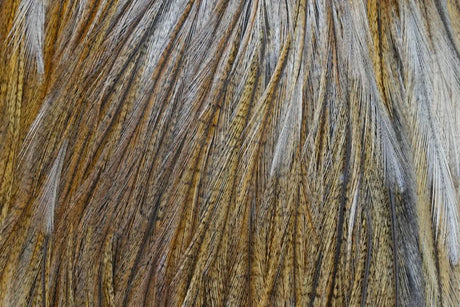
Coq de León feathers are recognisable by their distinctive markings and fibre characteristics. They are used in selected fly tails and other tying details.
The selection includes rooster capes, saddles and tailing packs. These formats allow you to choose according to how often you use the material and which patterns you tie.
For small nymphs, fibre length and the number of fibres used are particularly important for clean proportions.
Partridge, Starling and Pheasant Skins
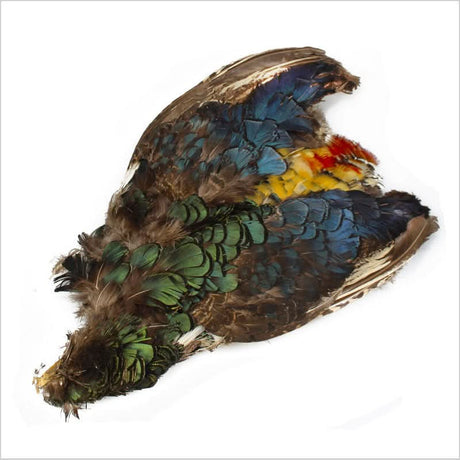
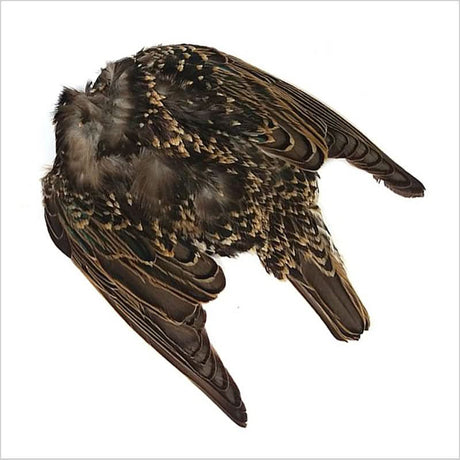
Whole and selected skins from partridge, starling and pheasant add other tying possibilities to the range.
Partridge feathers are useful for soft hackles on wet flies and Spider patterns, while starling offers additional fine-feather options. Pheasant skins provide materials for different wing, tail and body details.
These materials should be chosen according to their particular feather characteristics rather than treated as substitutes for every type of rooster hackle.
Hackles for Woolly Buggers and Streamers
Woolly Buggers and other streamers often call for hackle feathers with different lengths and proportions from those used in small dry flies.
Selected Bugger Packs and streamer feather assortments provide options for wrapping hackles along a fly body. Consider stem flexibility, fibre length and how much bulk the finished pattern should have.
A feather suitable for one streamer construction will not necessarily provide the right proportions for another, especially when hook sizes and body lengths differ.
Whole Capes, Half Capes and Mixed Packs
When buying hackle, consider how much material you use and how many colours you need. Whole capes provide one format, while half capes and half saddles offer alternatives for a more focused selection.
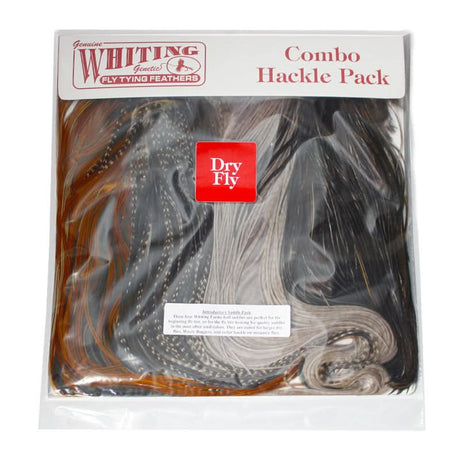
Assorted packs can be useful when you want several colours or types of feathers without buying a full skin of every option.
Grade names and feather characteristics should be assessed within the individual product range. A grading label alone does not tell you how many usable hackles will match your preferred hook sizes.
Choosing Capes and Saddles for Your Tying Bench
Begin with the flies you tie most frequently. Rooster hackles are important for many conventional dry flies, while hen and partridge feathers are options for softer wet fly hackles. Coq de León can be selected for tails, and longer body hackles are relevant to certain streamers.
If you need smaller quantities or other feather types, explore fly tying feathers. For hooks, thread and additional components, visit the fly tying materials collection.
Frequently Asked Questions About Fly Tying Capes
What is the difference between a rooster cape and a saddle?
They come from different areas and provide different selections of feathers. Their hackle lengths and fibre characteristics vary, so choose according to the patterns and hook sizes you tie.
Which feathers should I choose for dry flies?
Suitable rooster hackles are a common choice for many traditional dry fly patterns. Match fibre length and feather characteristics to the hook and intended construction.
Why use hen feathers for soft-hackle flies?
Hen feathers often have softer fibres that are useful for wet flies, Spider patterns and selected nymphs. Their characteristics differ from many dry fly rooster hackles.
Should I buy a whole cape or a half cape?
Consider how many flies you tie and whether you want several colours. A half cape can be a useful option when you need less material, while a whole cape offers a different quantity and selection.