


-
-
-
-
-
-
-
-
-
-
-
-
-
-
-
-
-
-
-


-

Go-Fish
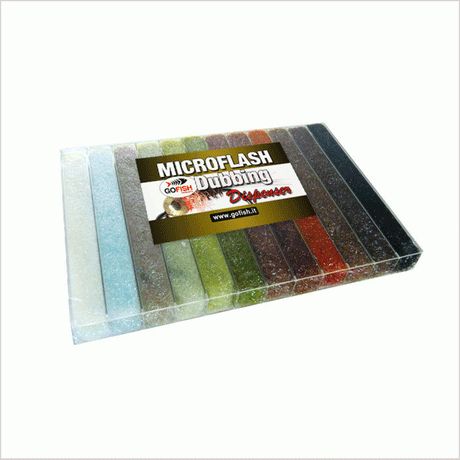
Microflash Dubbing Dispenser Dark Colors
€19,90 EURUnit price /UnavailableVery low stock (2 units) Sold out
 Sold out

Wapsi
Wapsi Antron Bright Steelhead Dubbing Dispenser
€18,90 EURUnit price /UnavailableVery low stock (1 unit)
Go-Fish
Veniard Genuine Seals Fur Dubbing Dispenser No.2
€25,50 EURUnit price /UnavailableVery low stock (2 units)
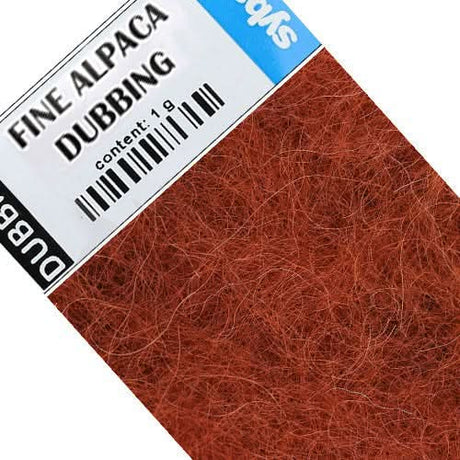
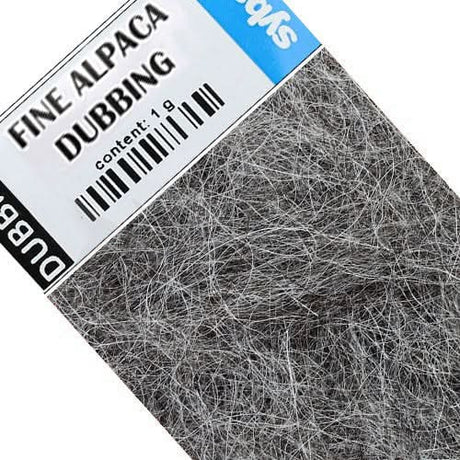
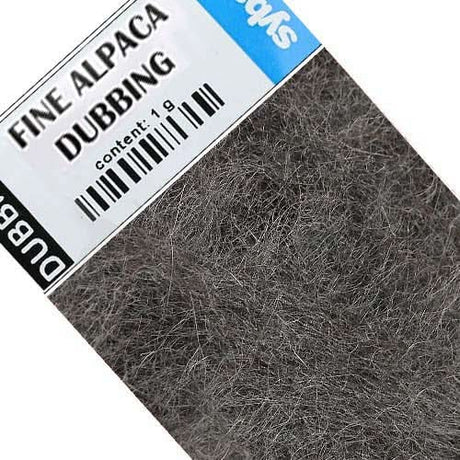
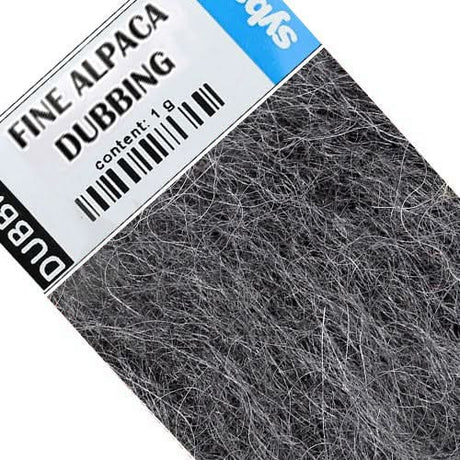


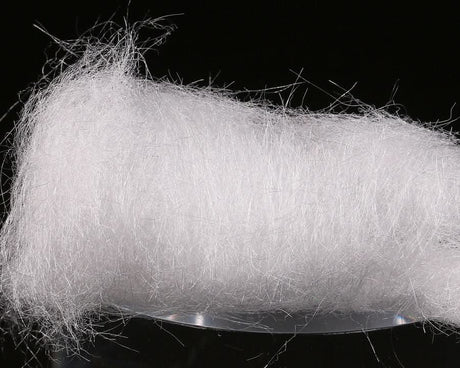
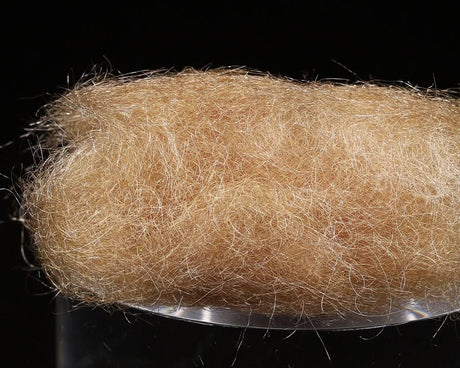
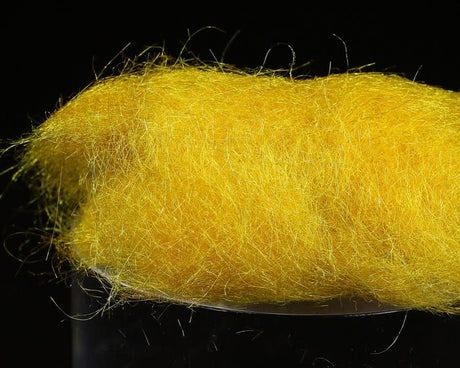
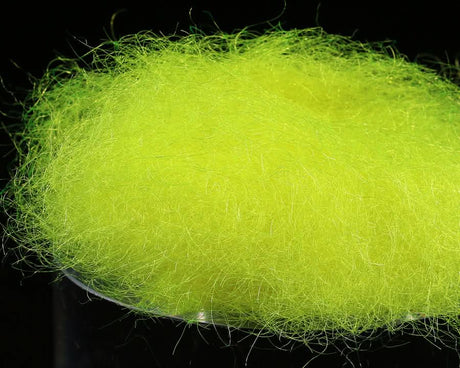
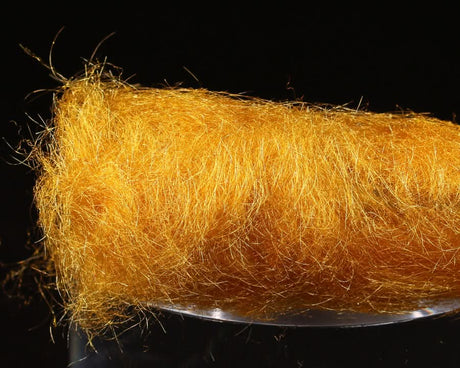
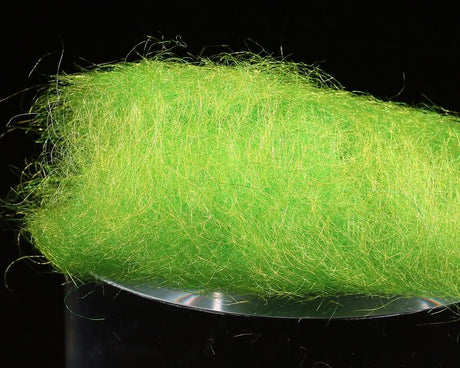
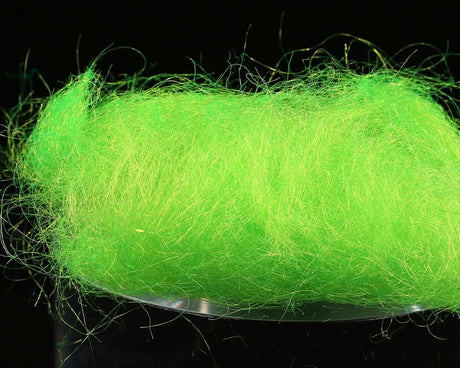
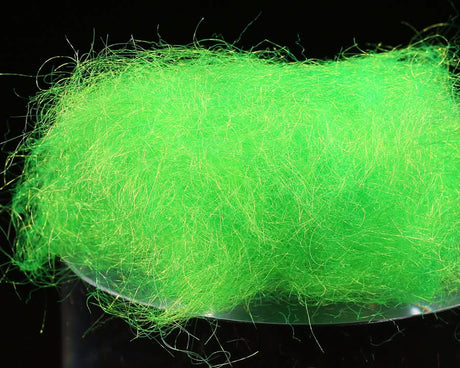
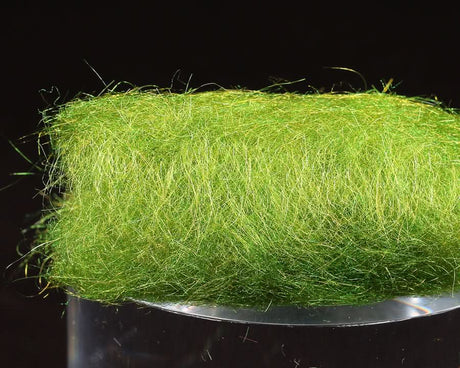
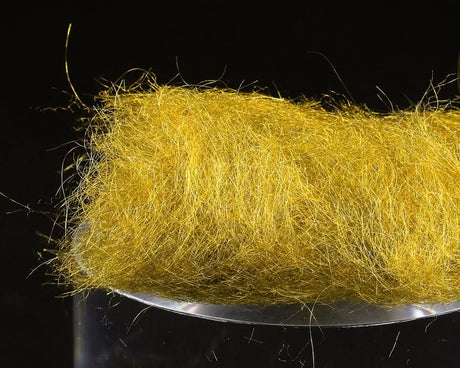
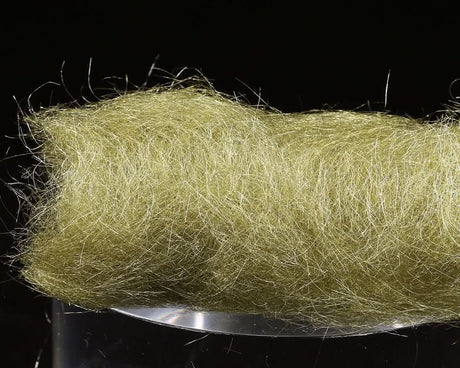
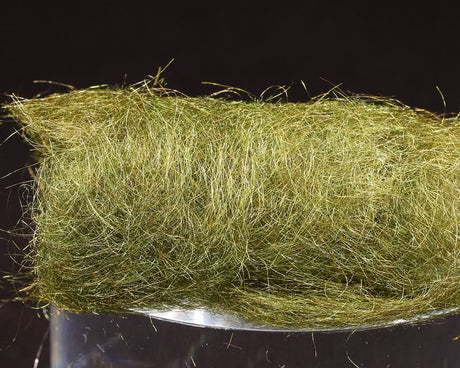
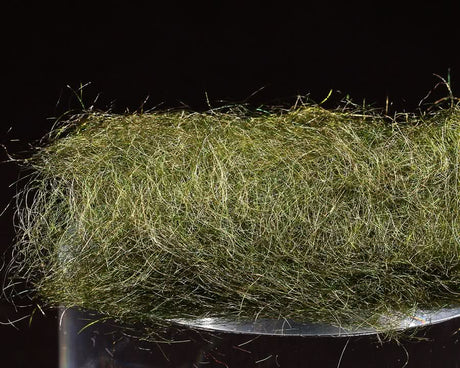
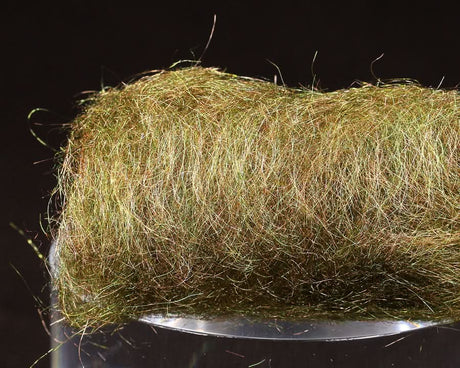
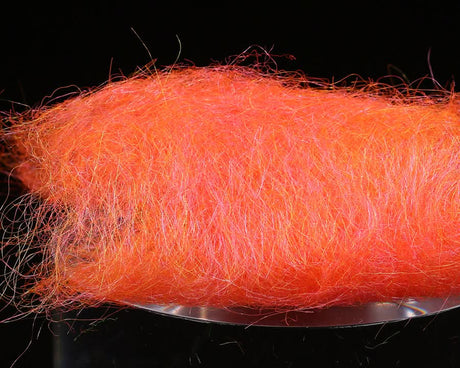
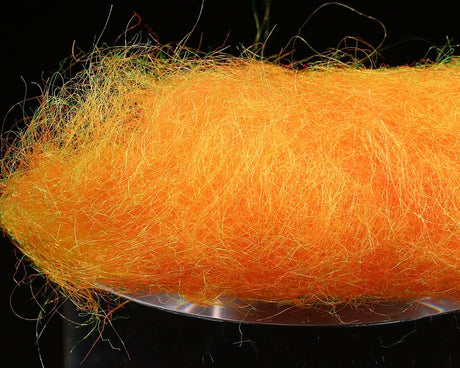
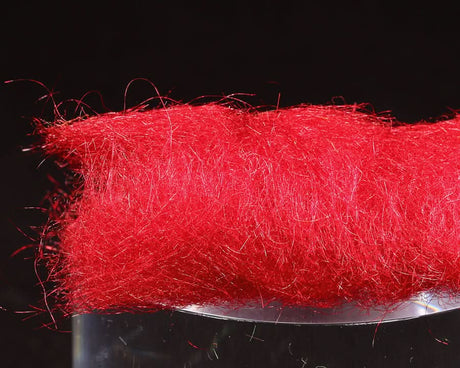
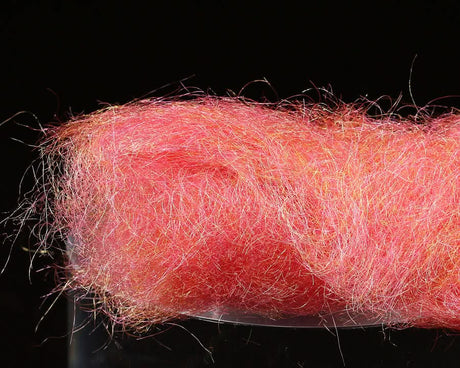
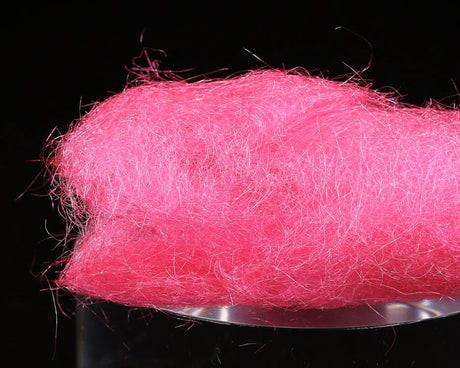
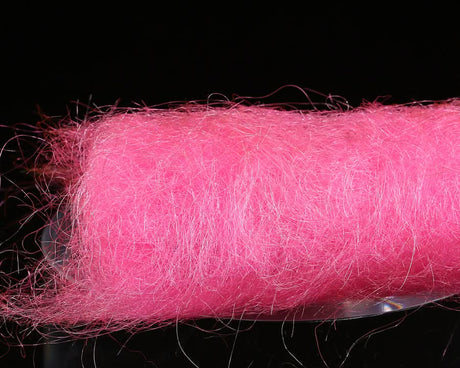
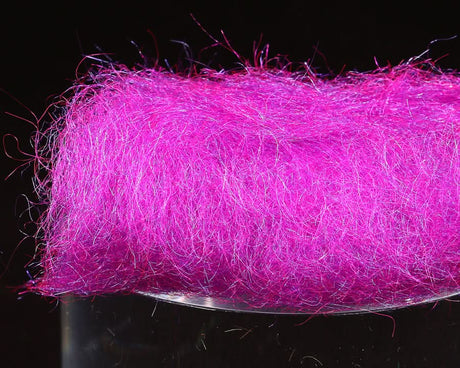
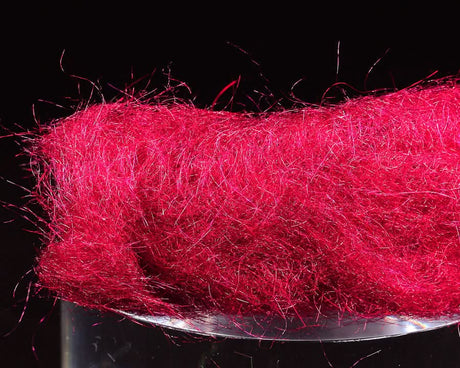
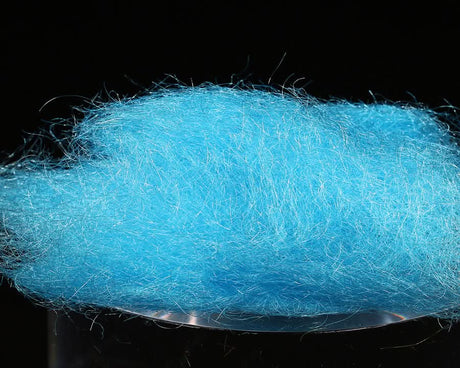
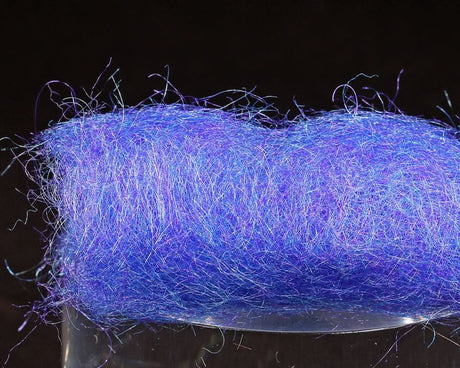
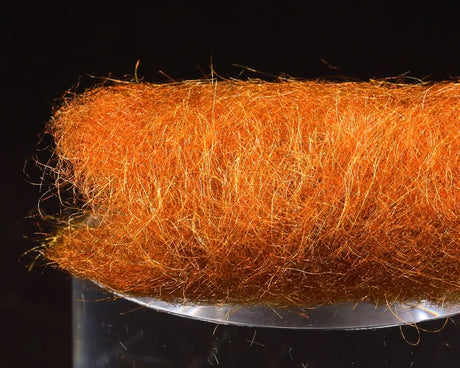
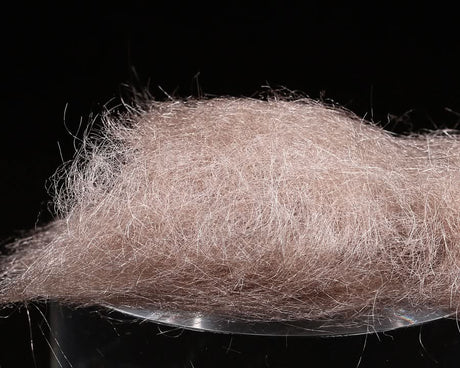
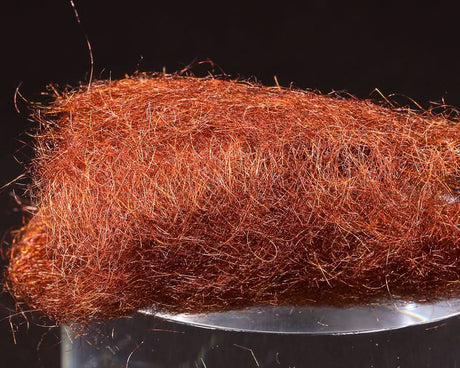
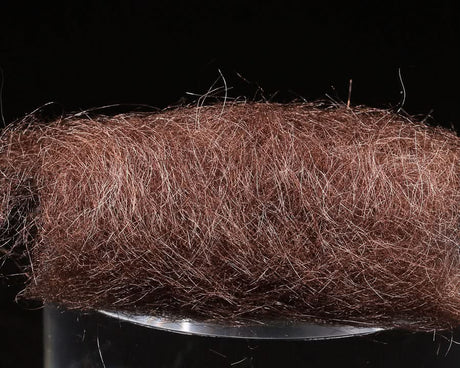
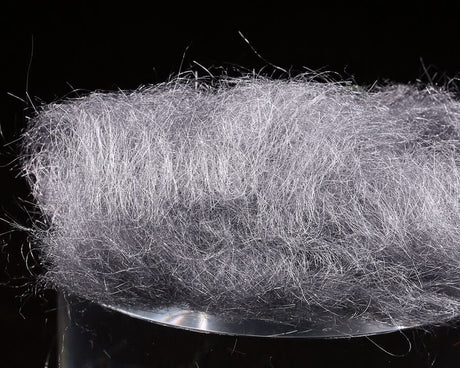
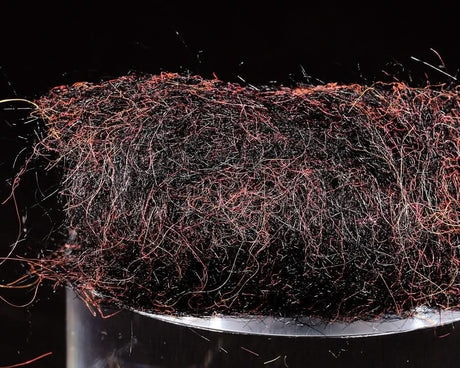
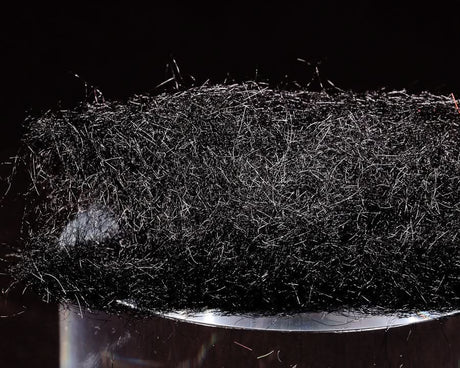
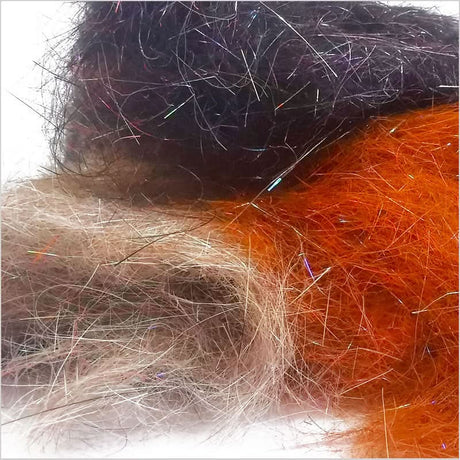
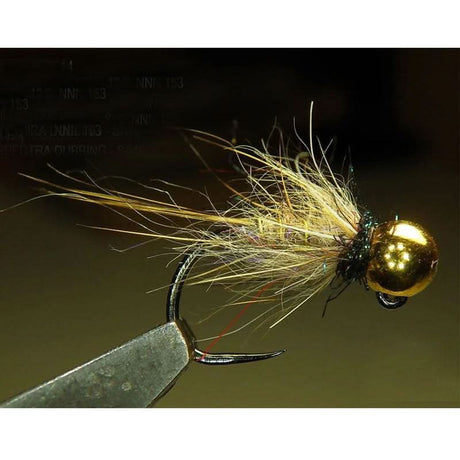
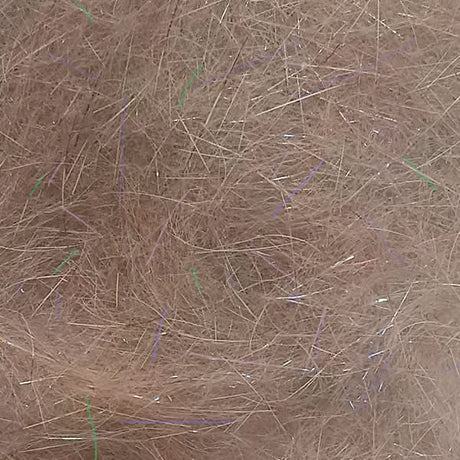
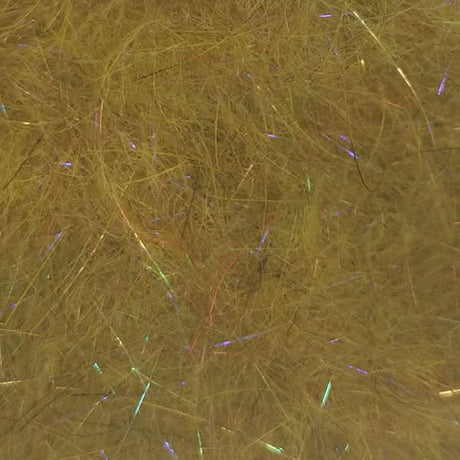
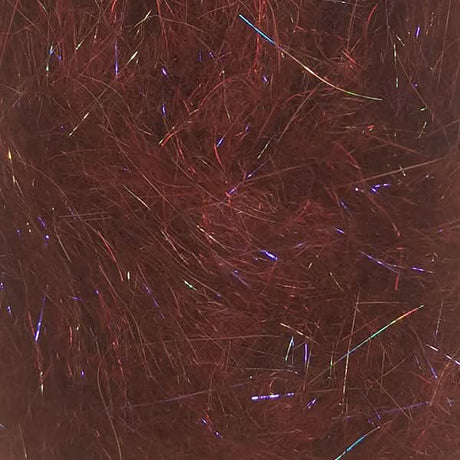
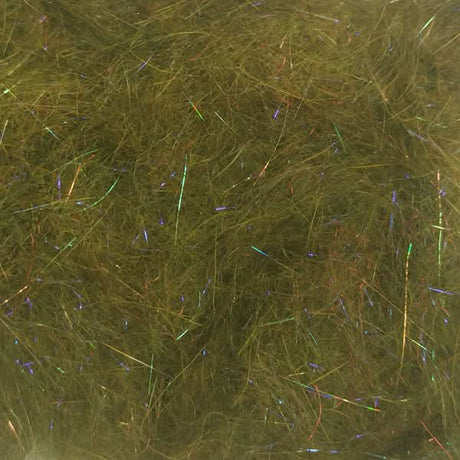
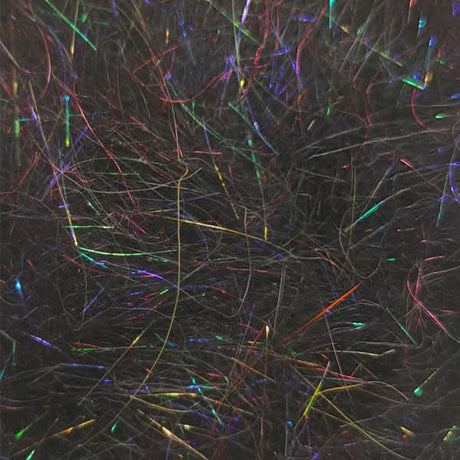
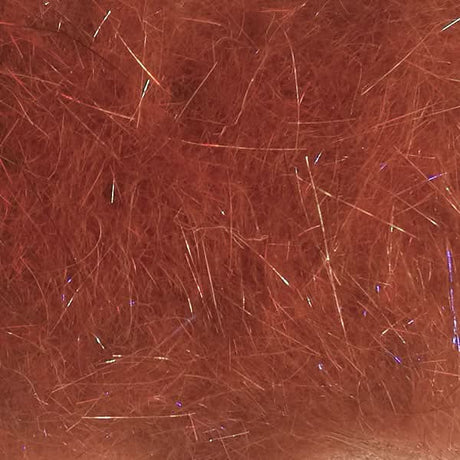


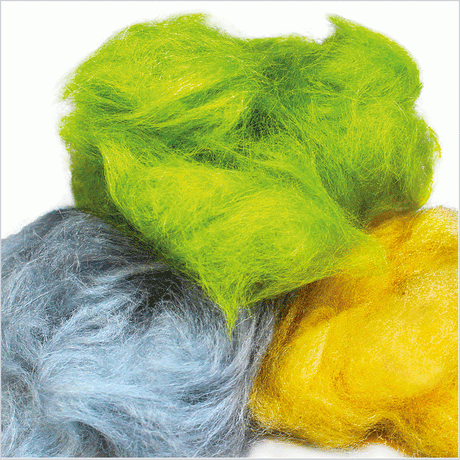
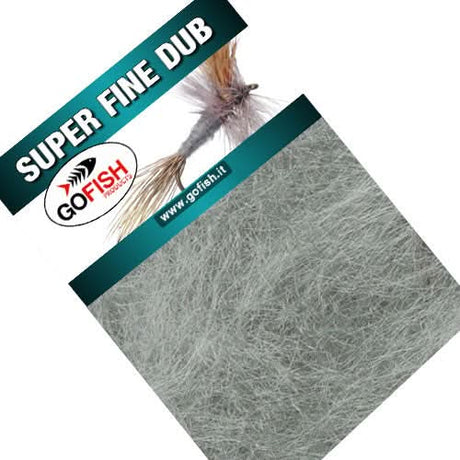
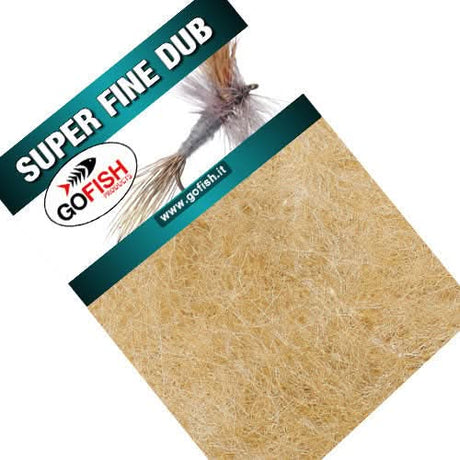
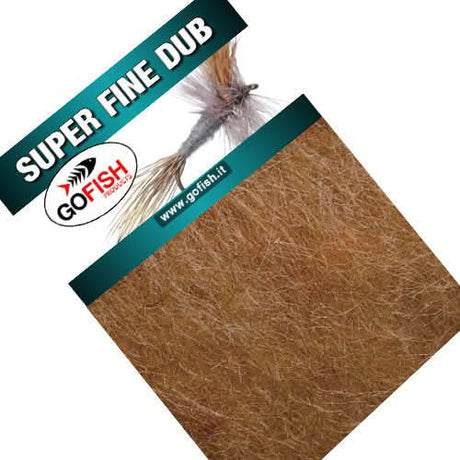
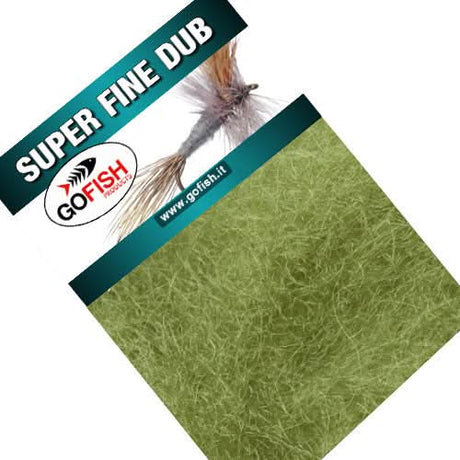
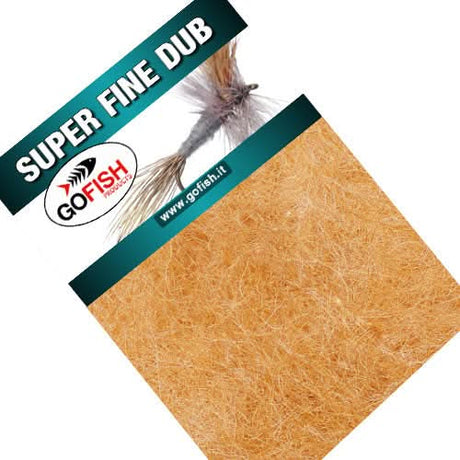
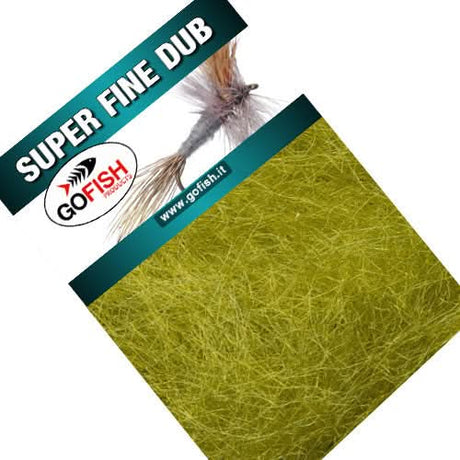
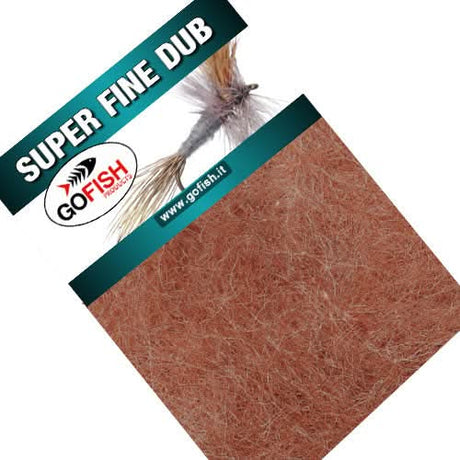
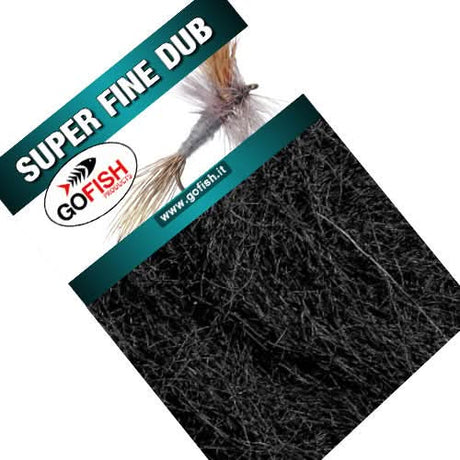
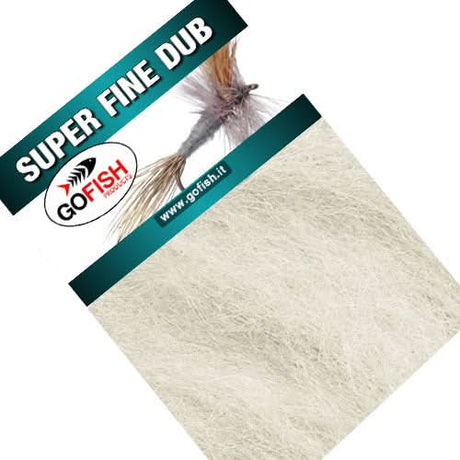
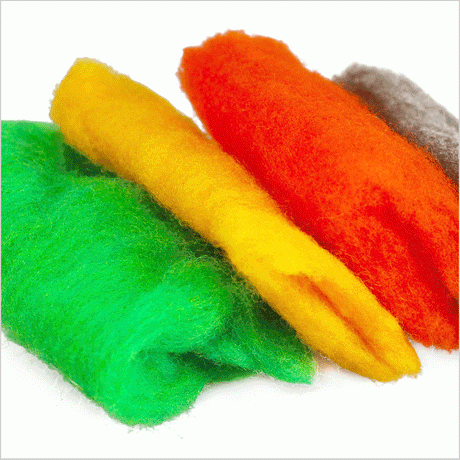
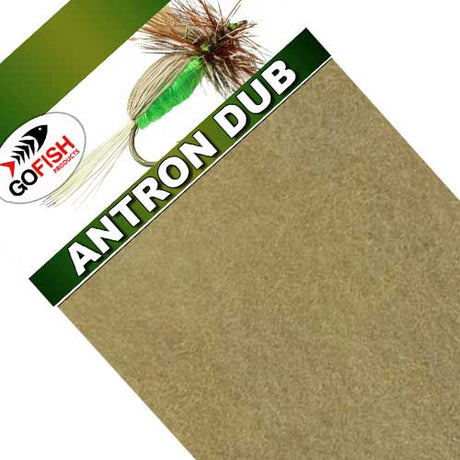
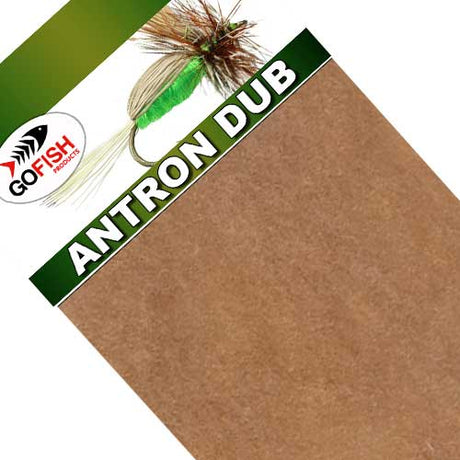
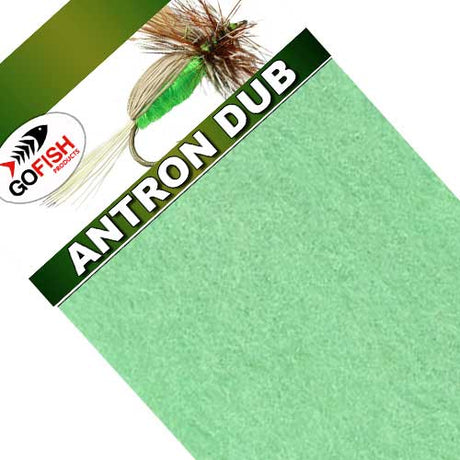
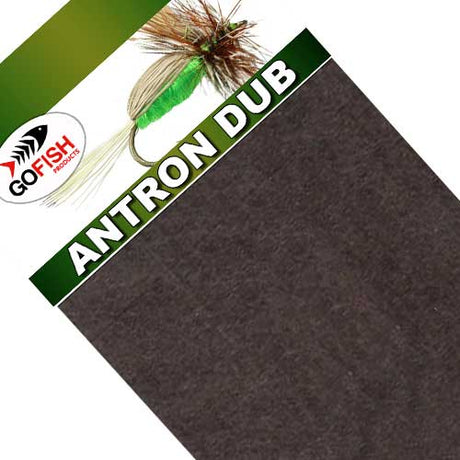
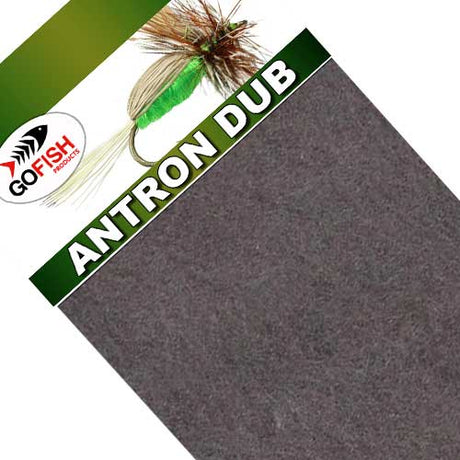
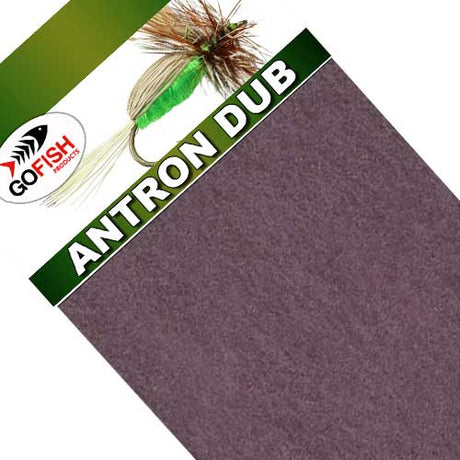
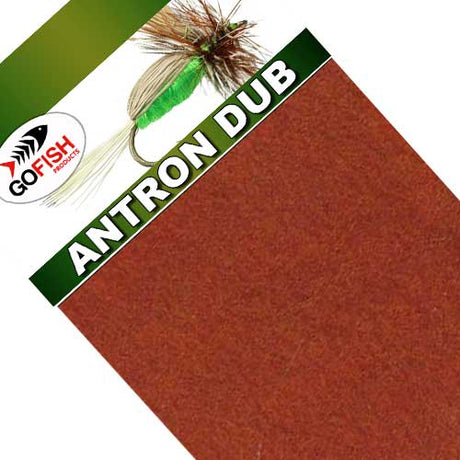
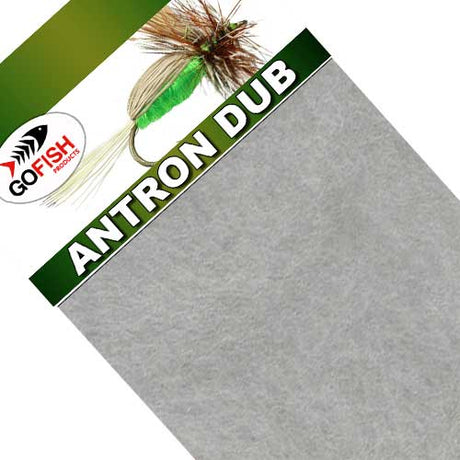
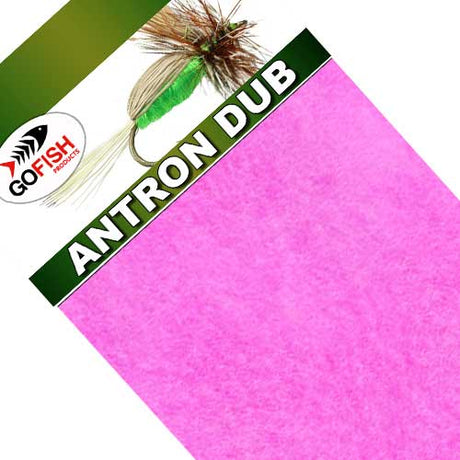
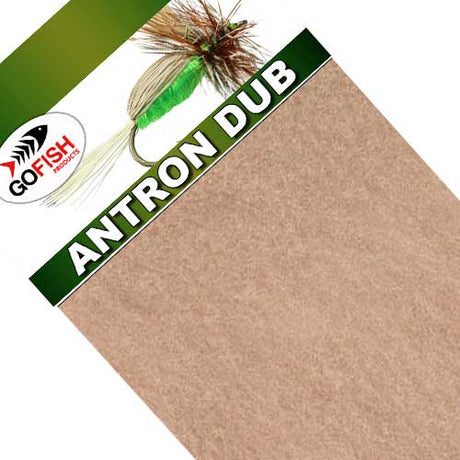
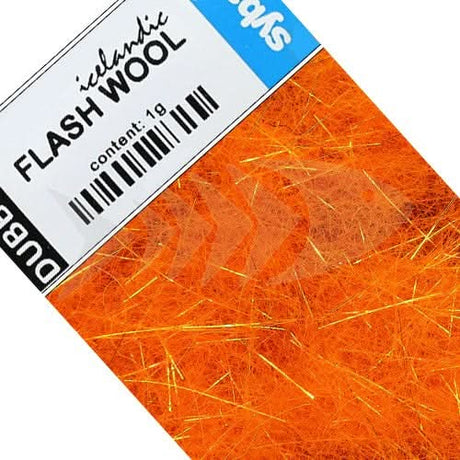
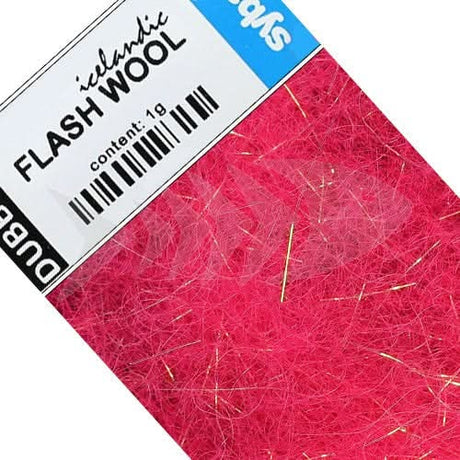
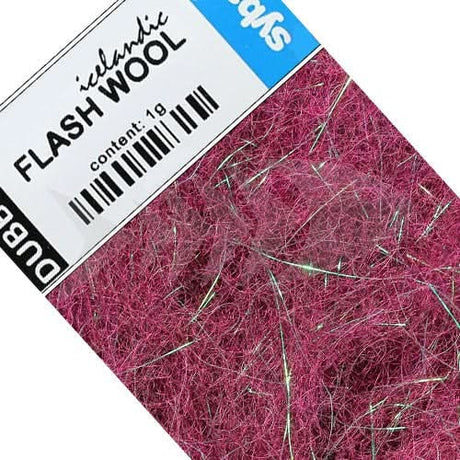
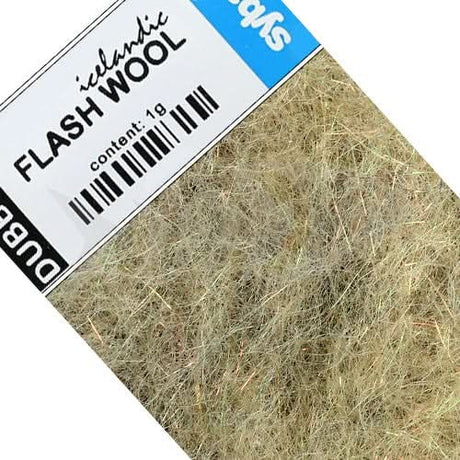
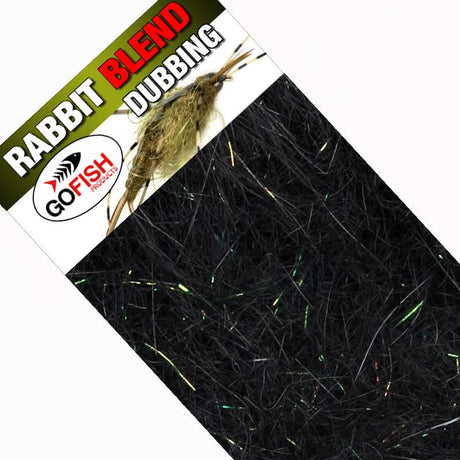
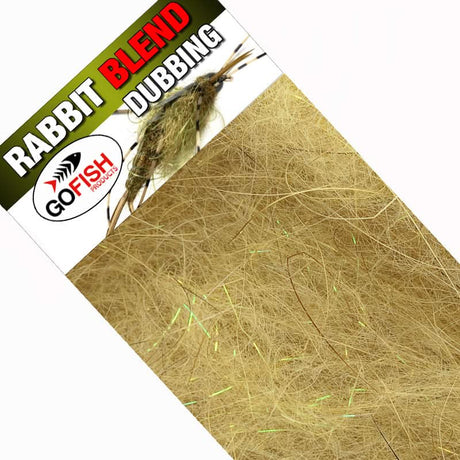
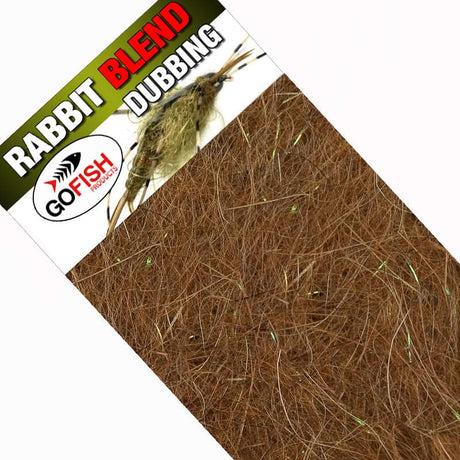
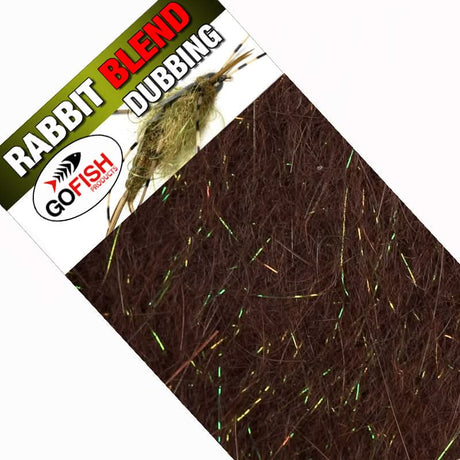
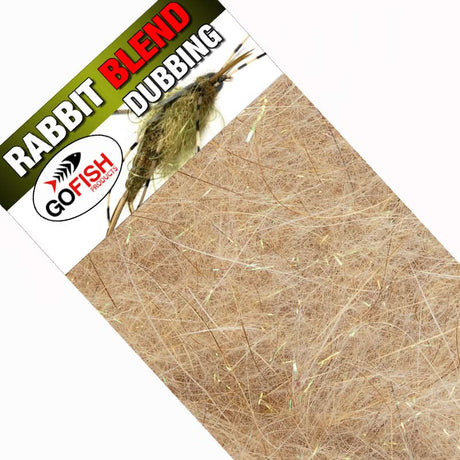
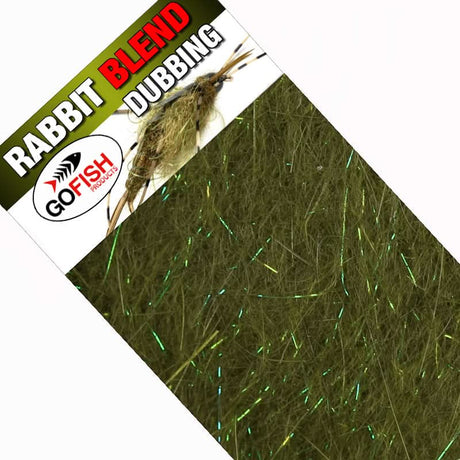
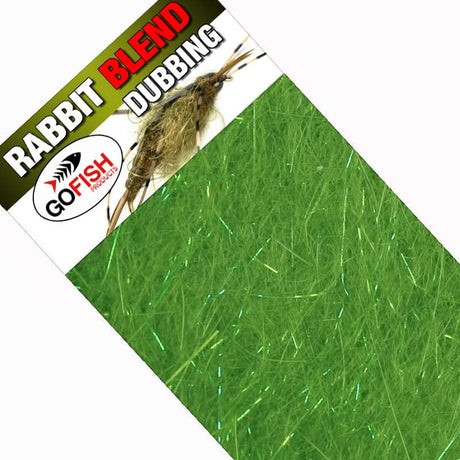
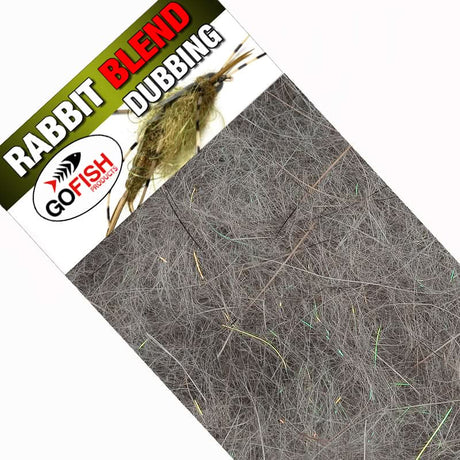
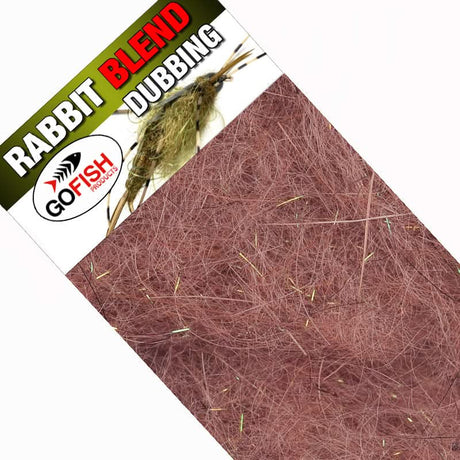
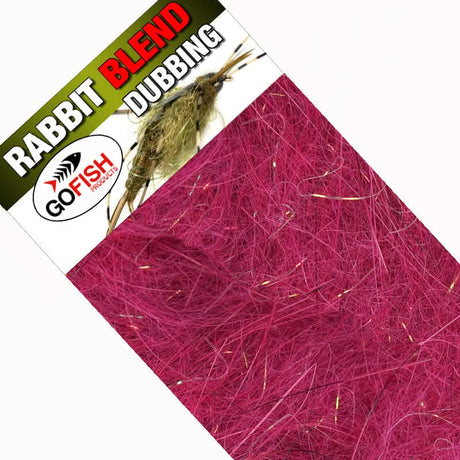
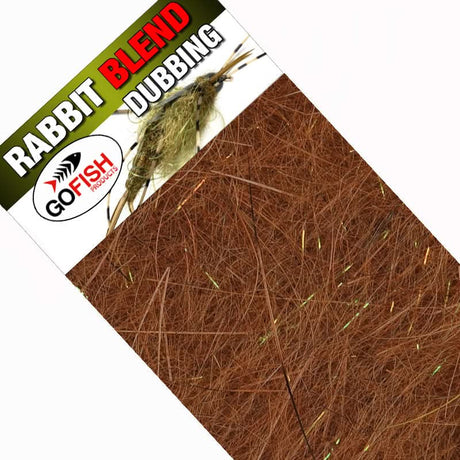
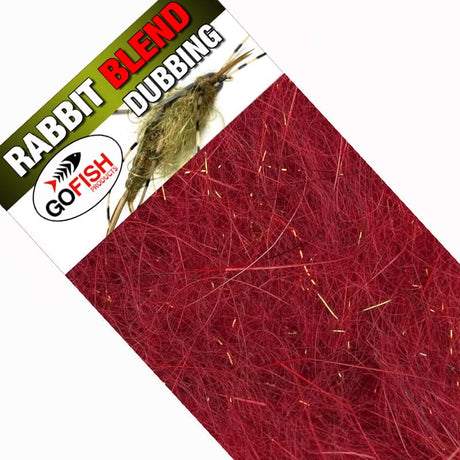
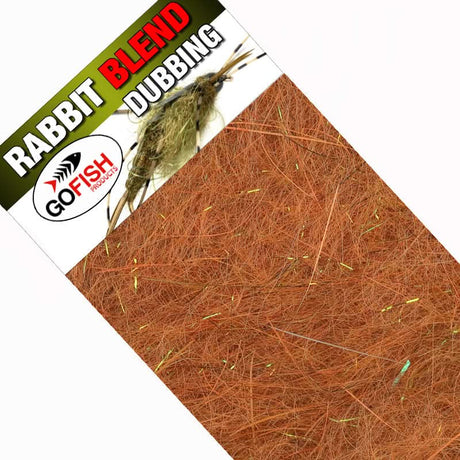
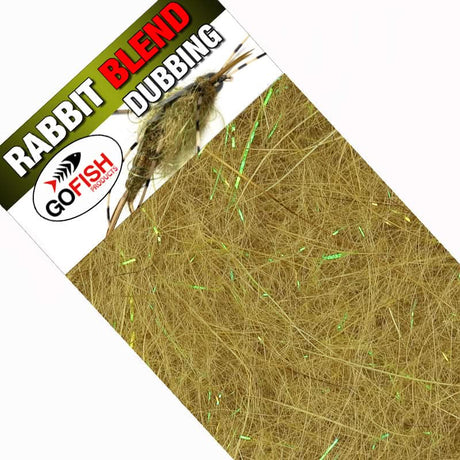
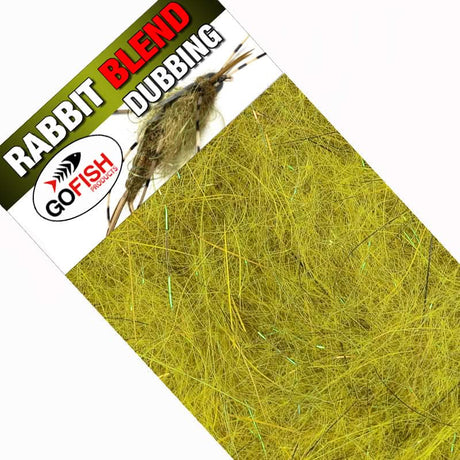
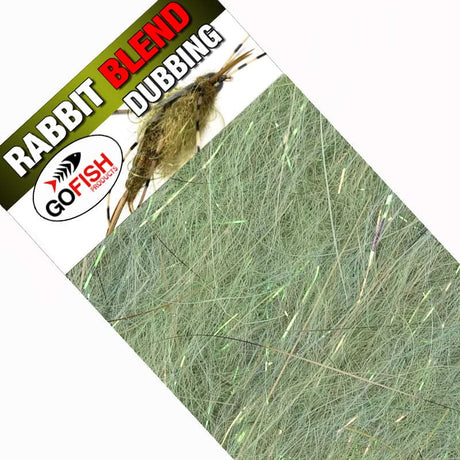
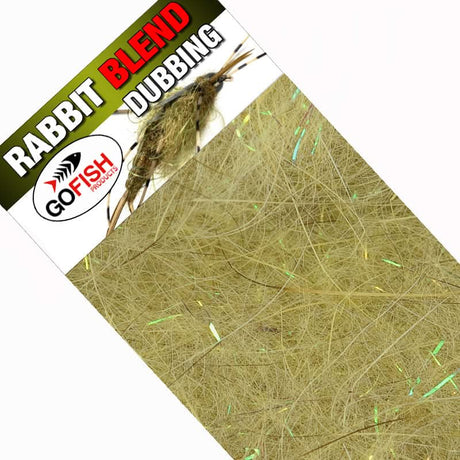
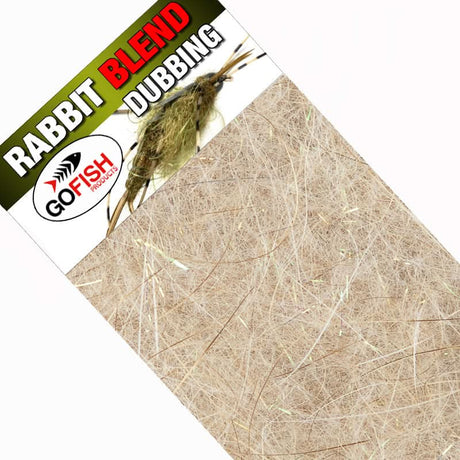
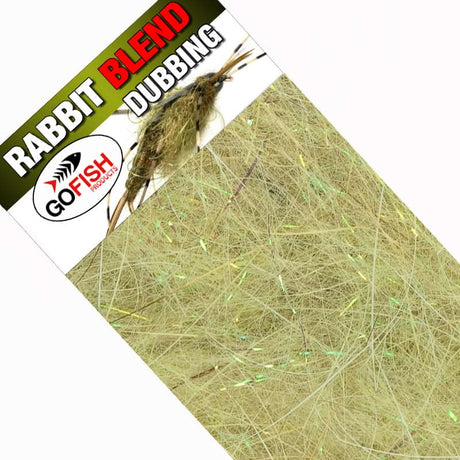
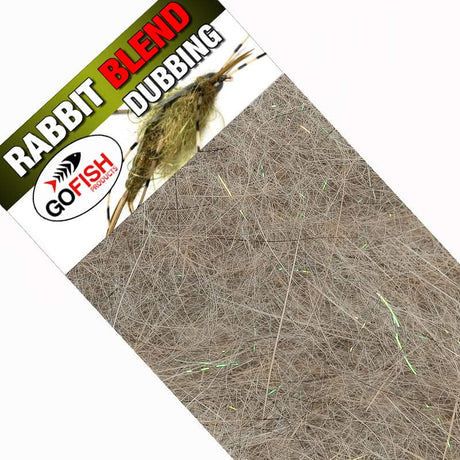
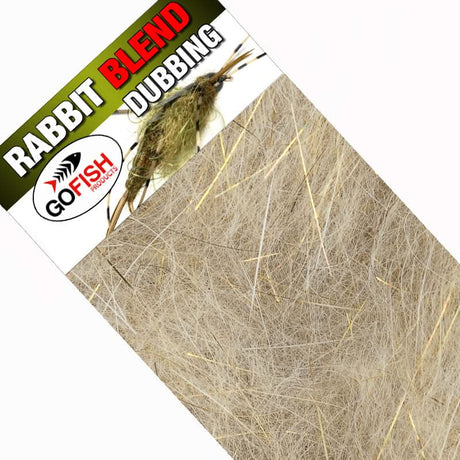
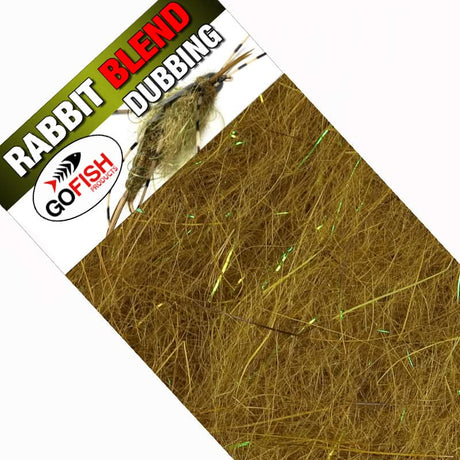
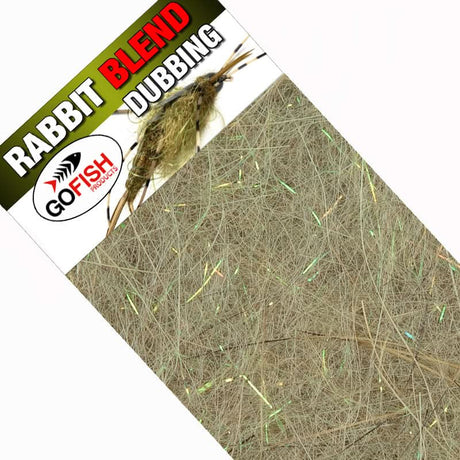
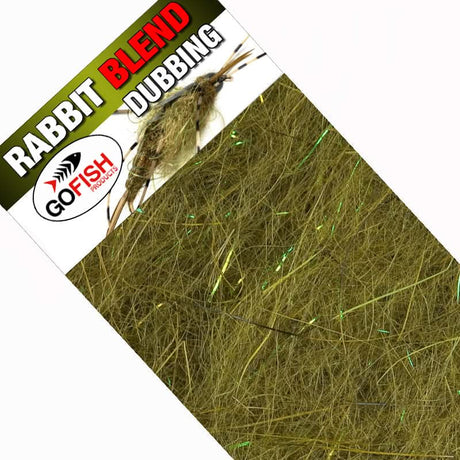
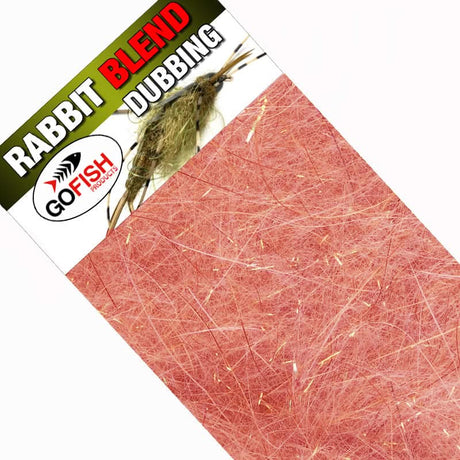
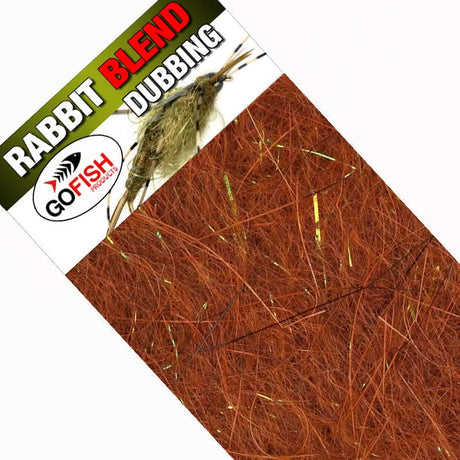
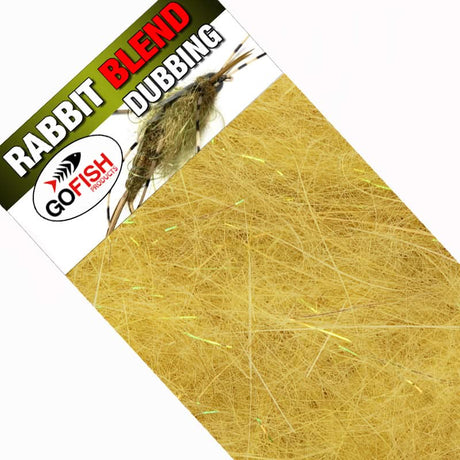
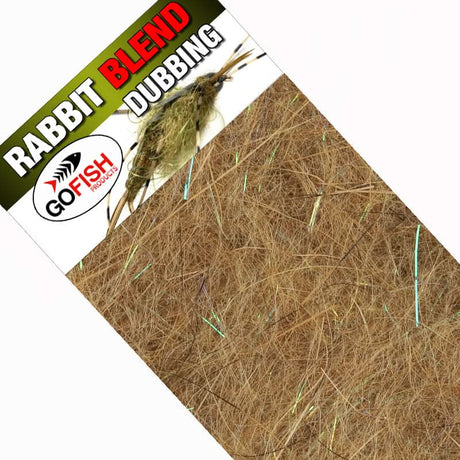
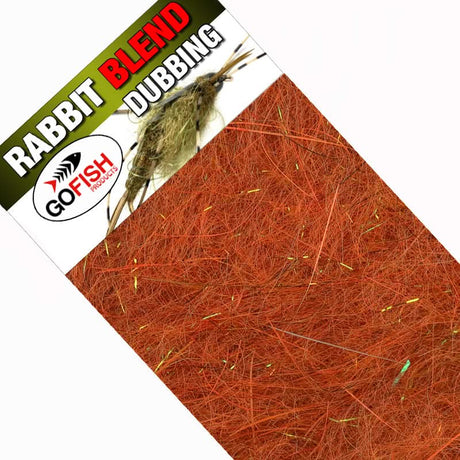
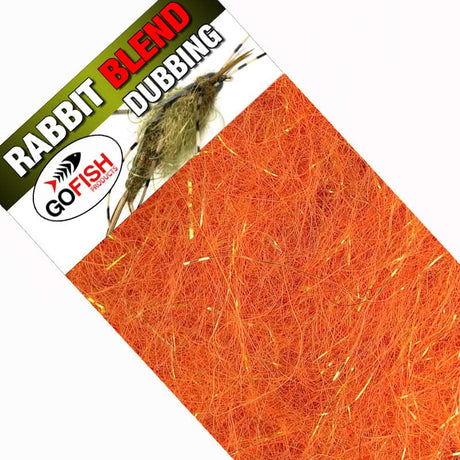
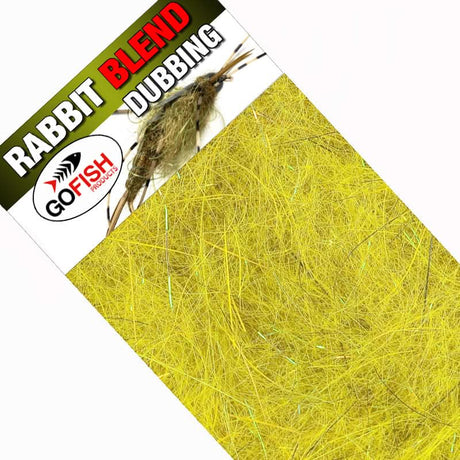
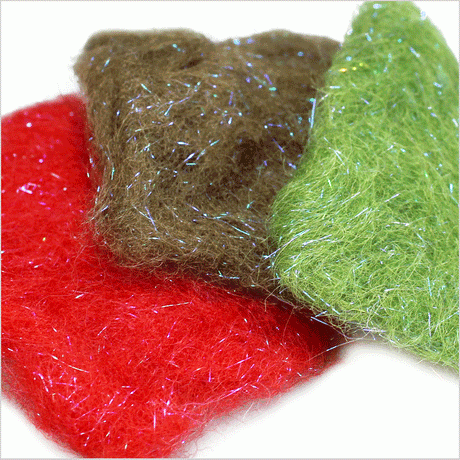
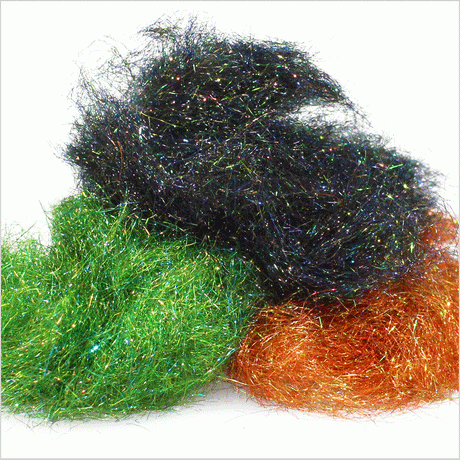
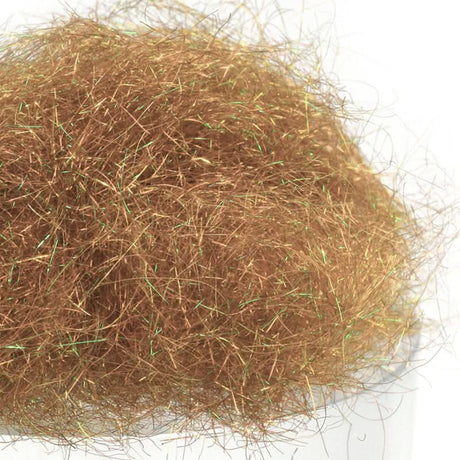
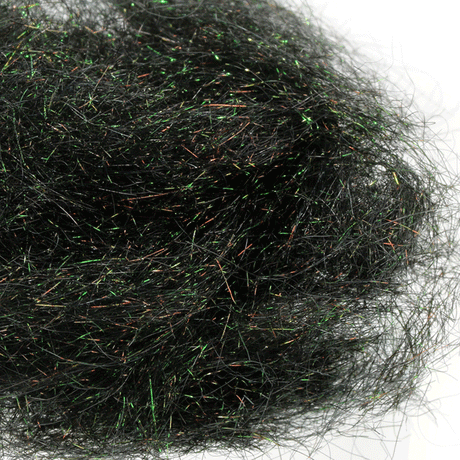
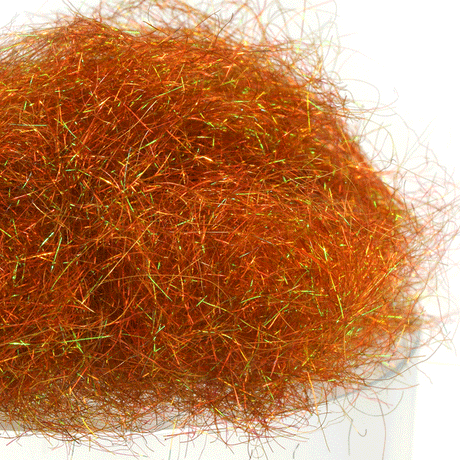
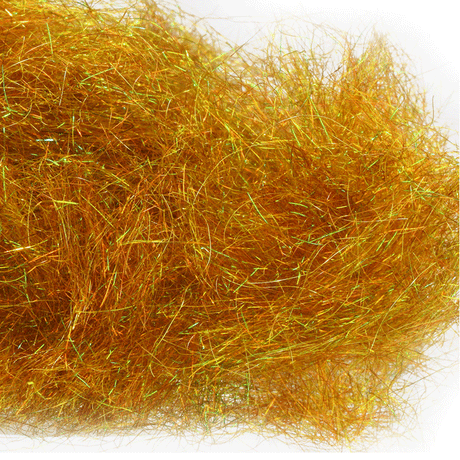
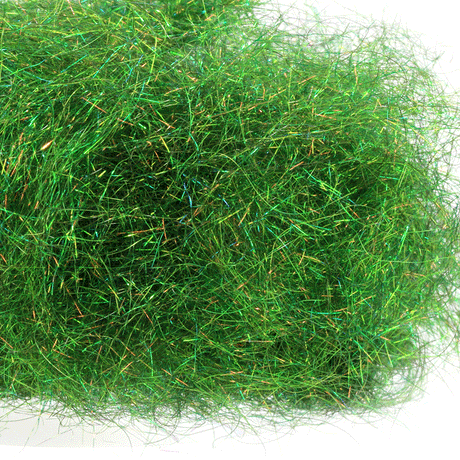
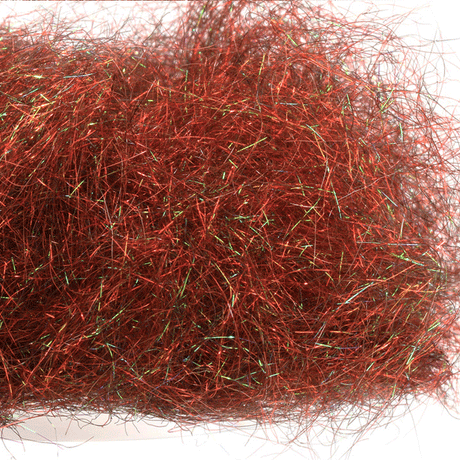
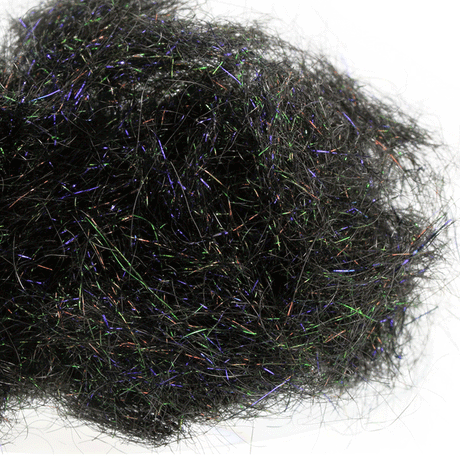
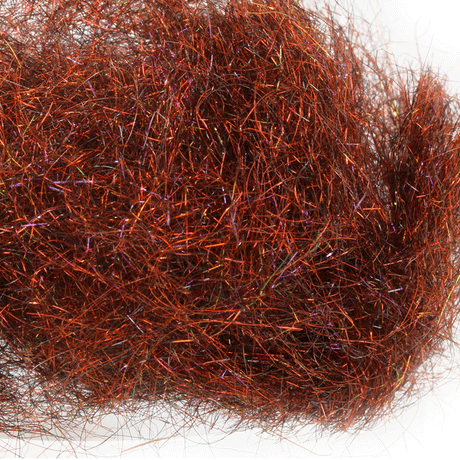
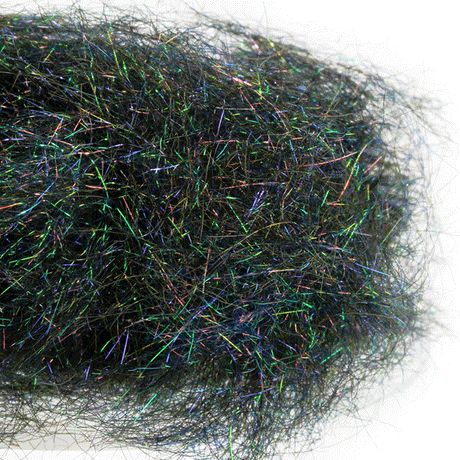
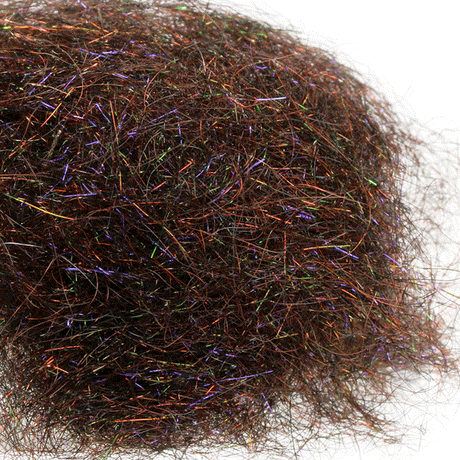
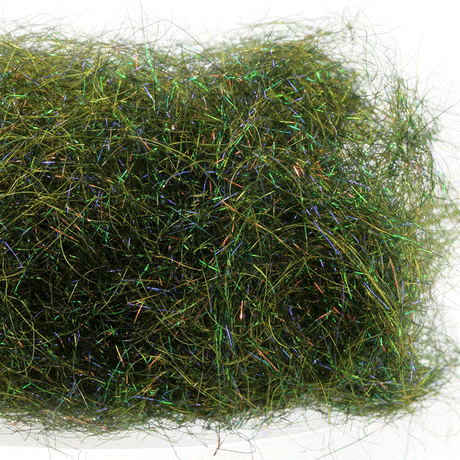
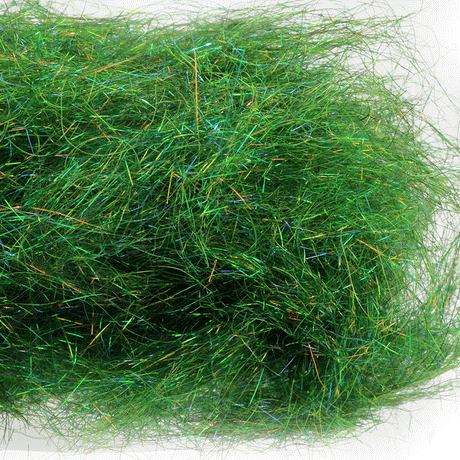
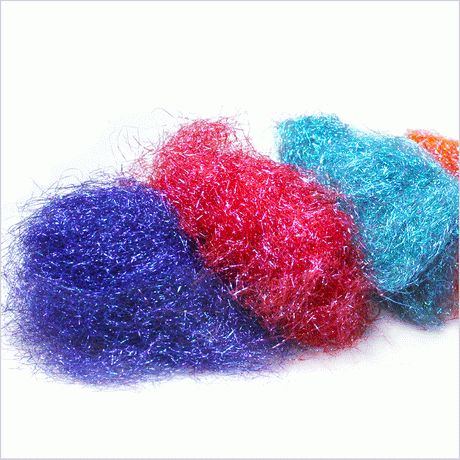
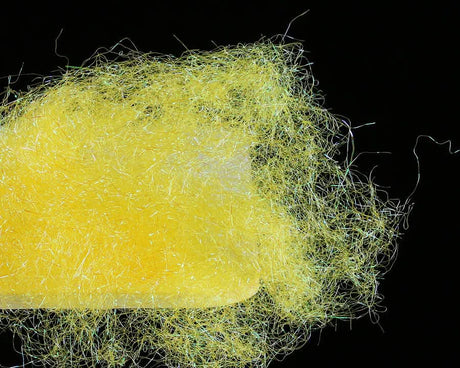
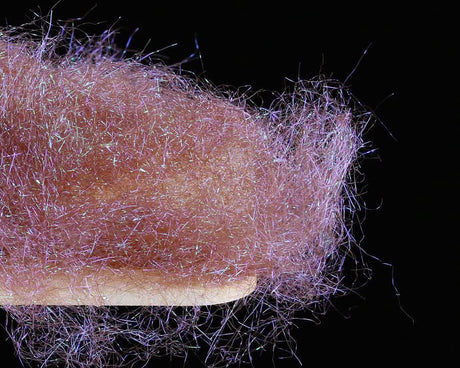
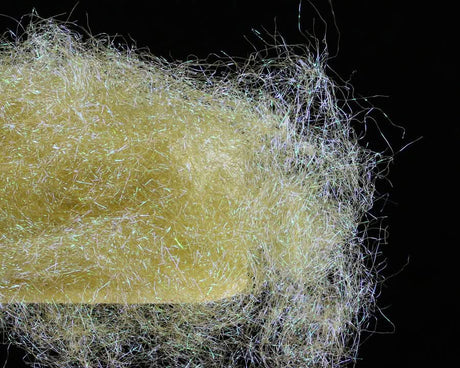
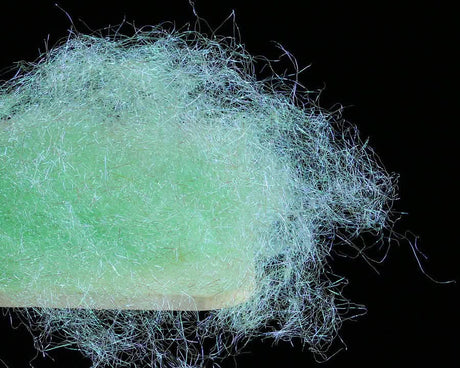
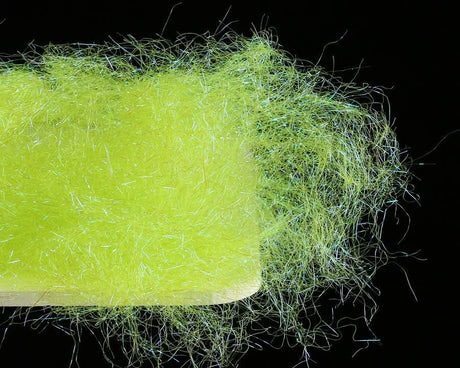
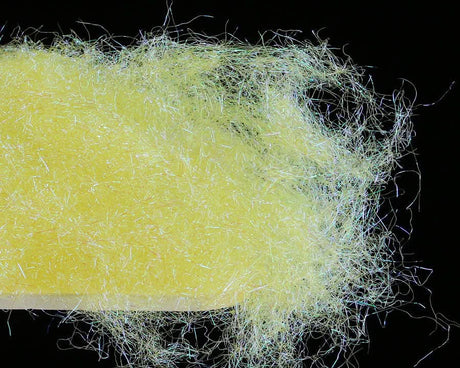
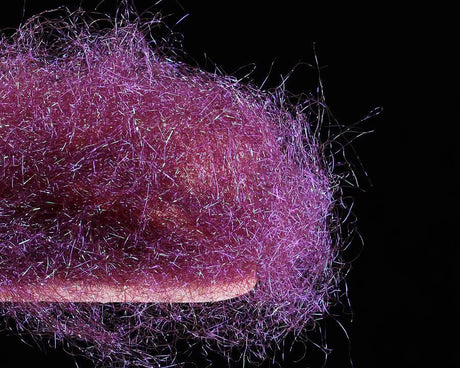
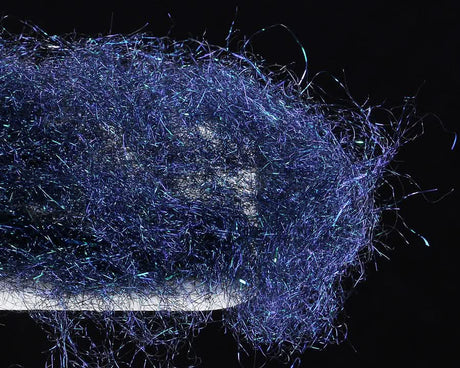
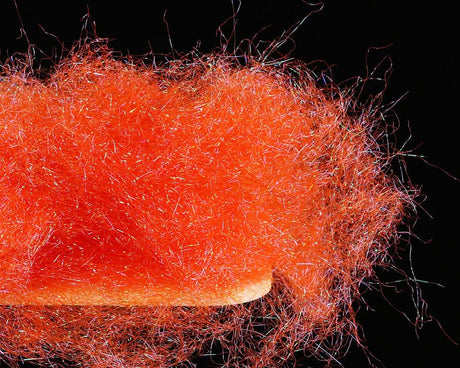
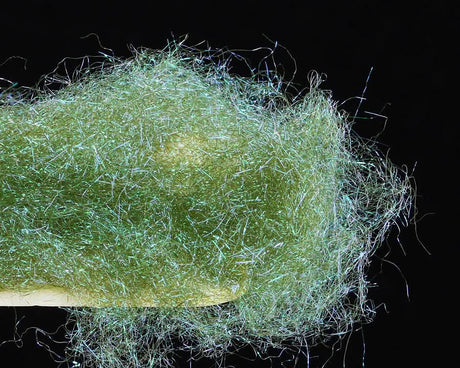
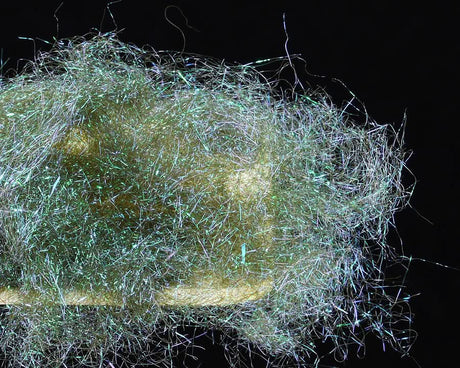
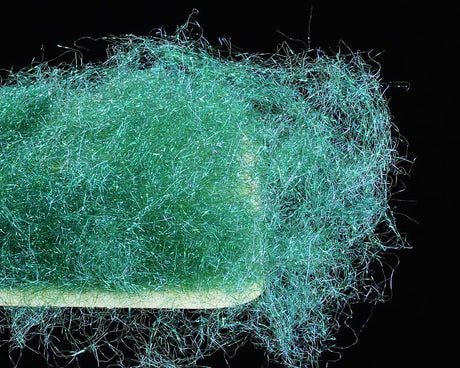
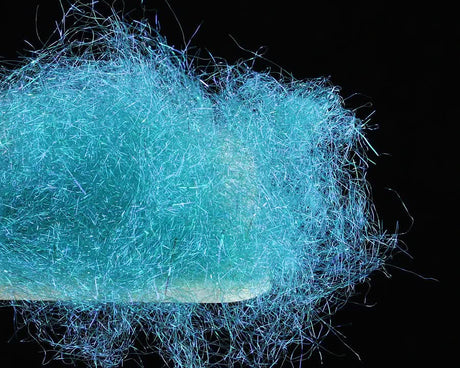
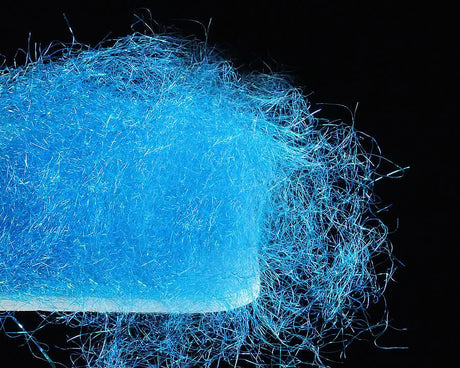
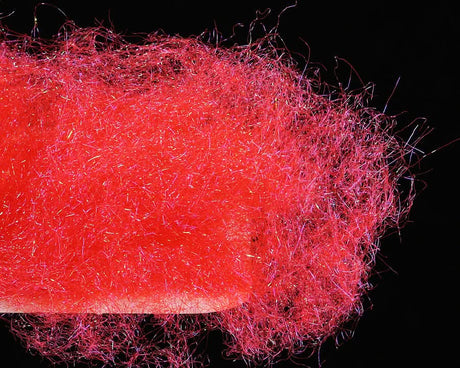
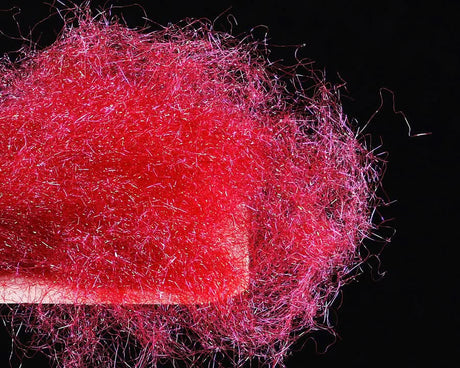
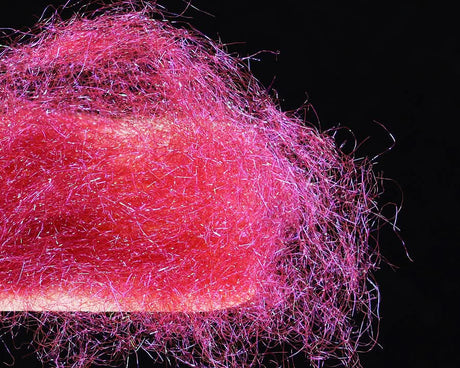
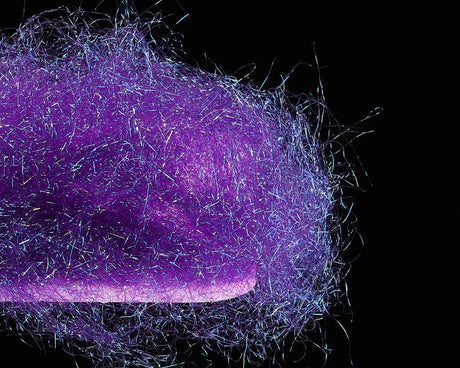
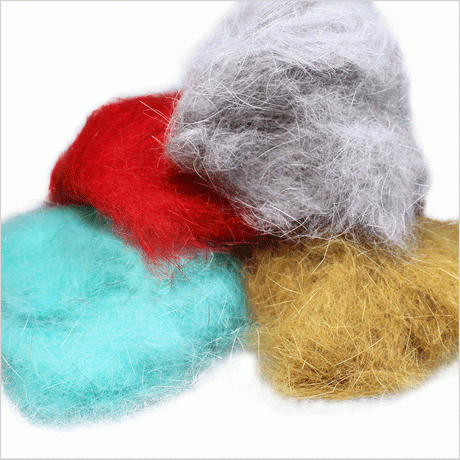
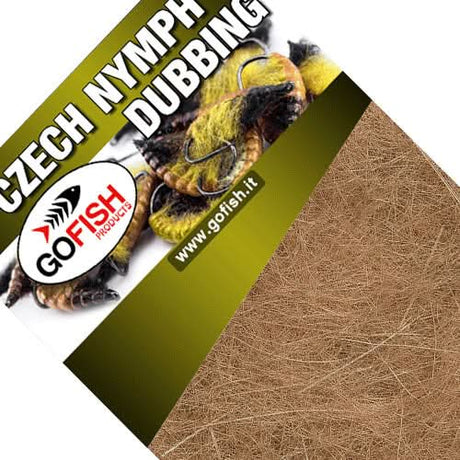
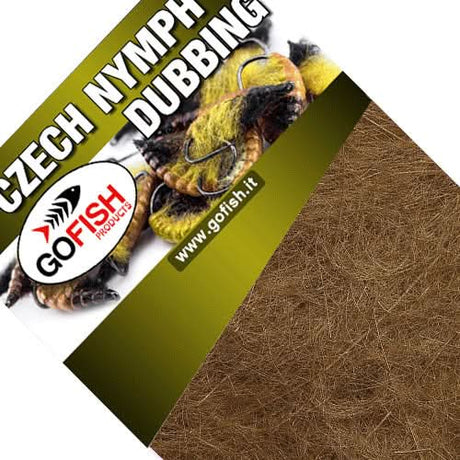
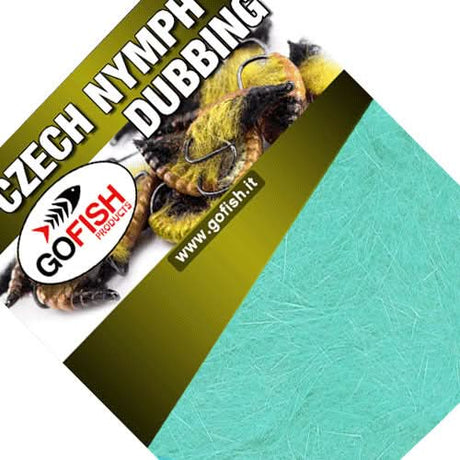
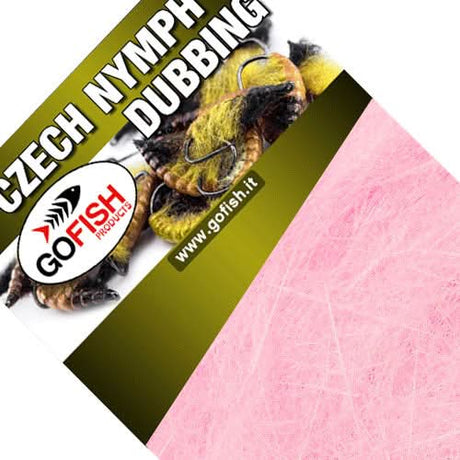
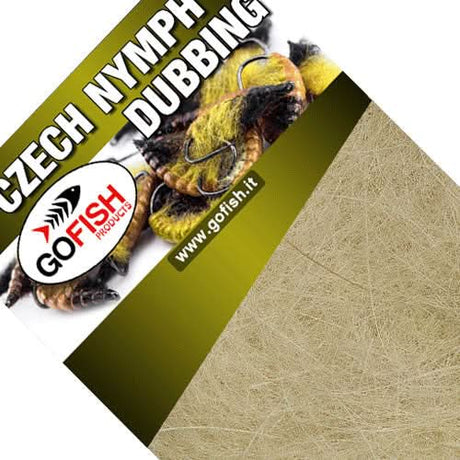
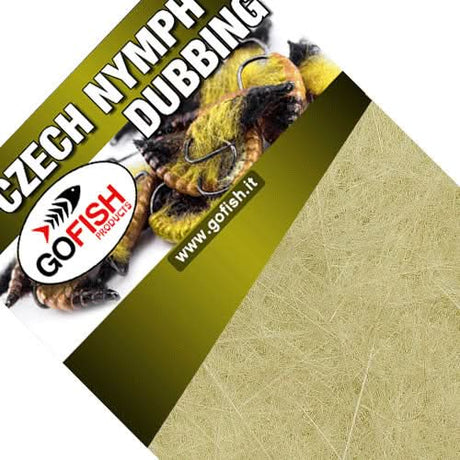
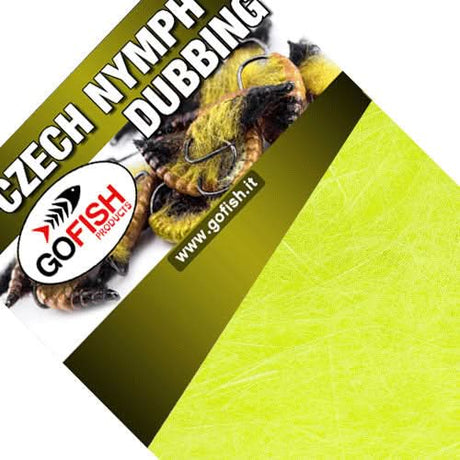
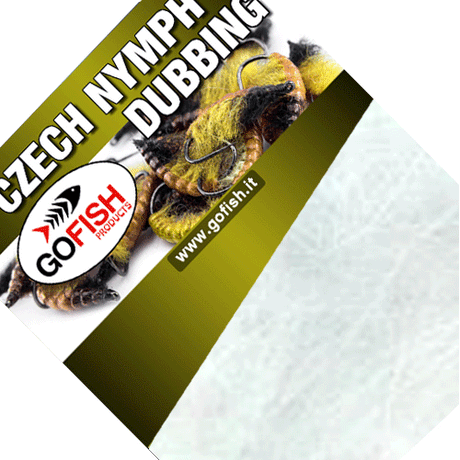
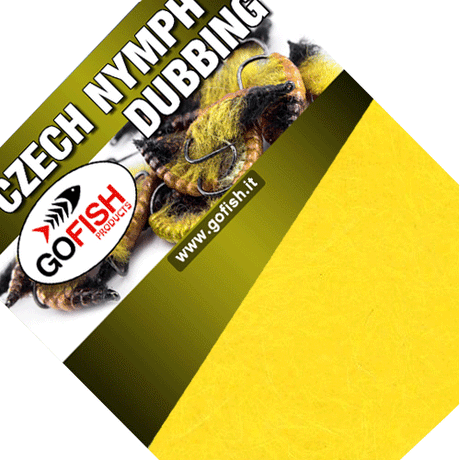
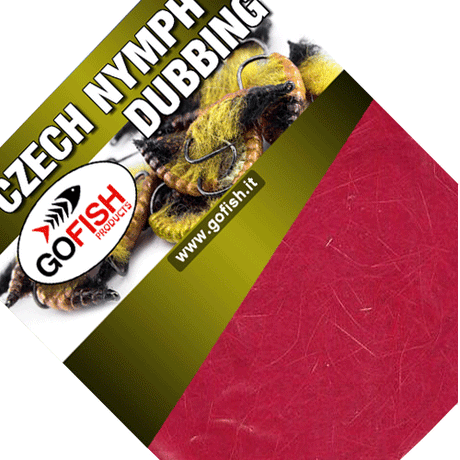
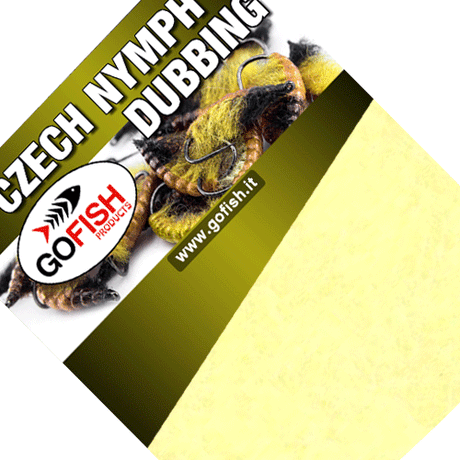
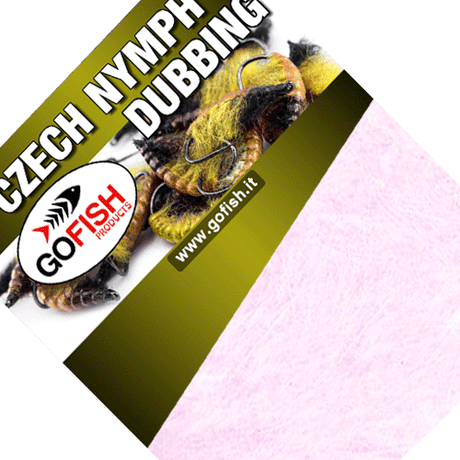
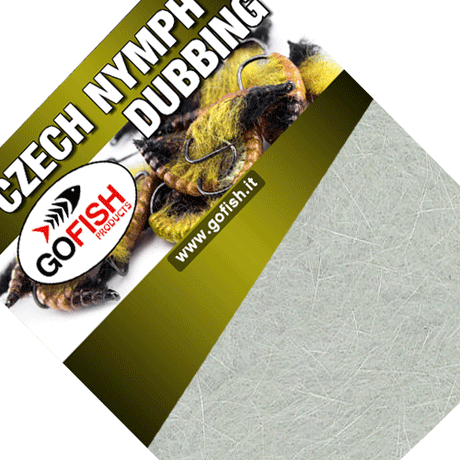
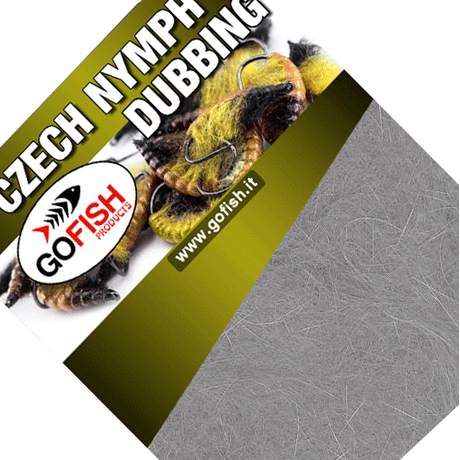
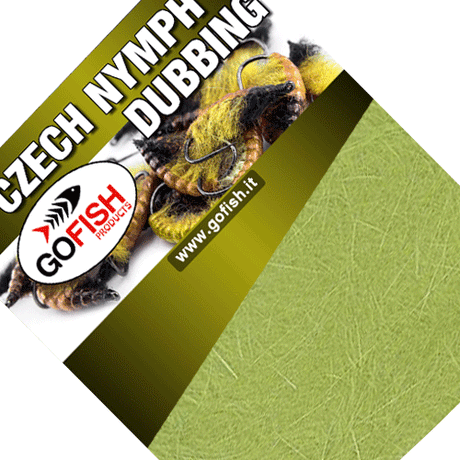
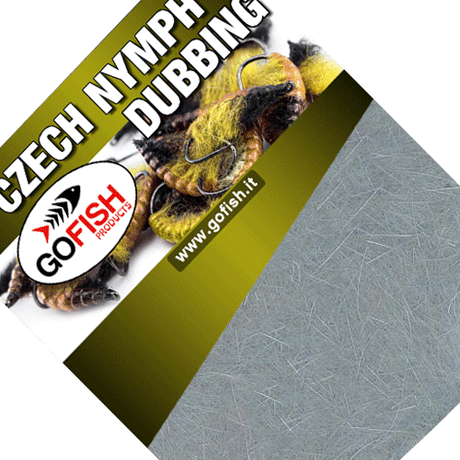
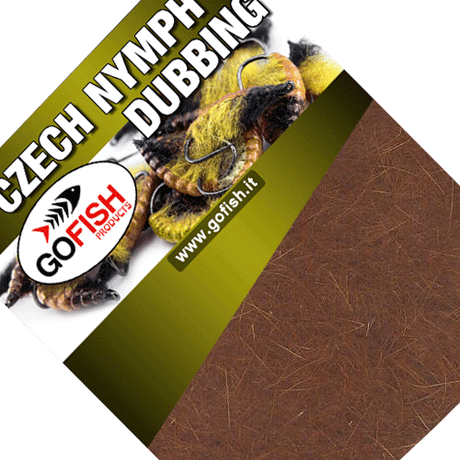
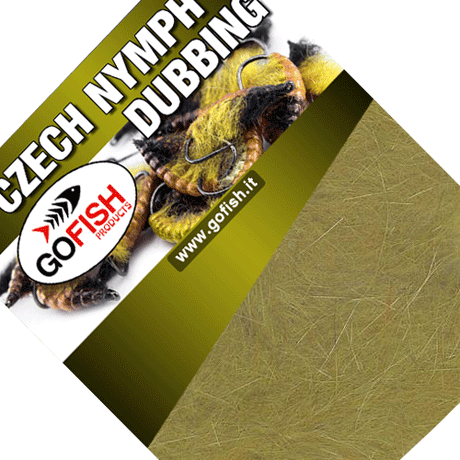
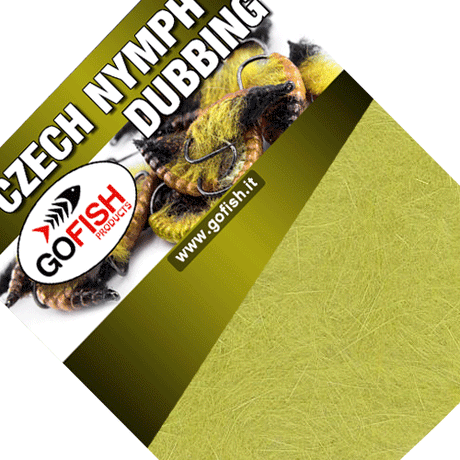
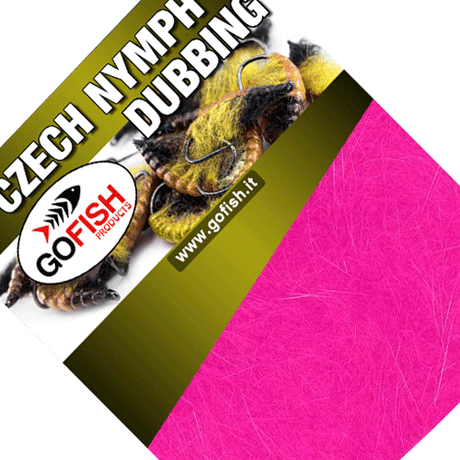
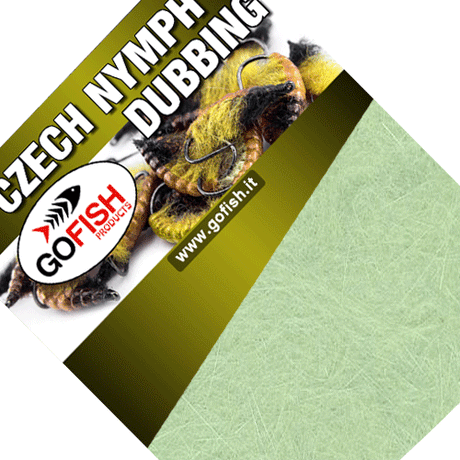
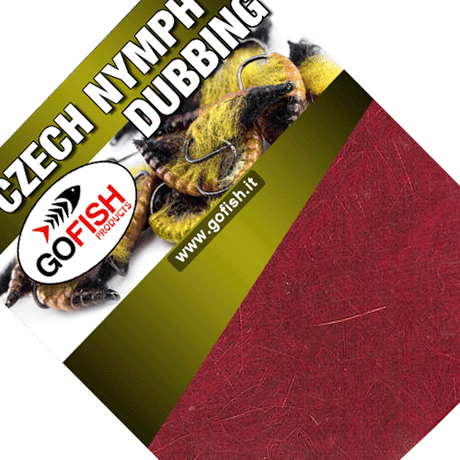
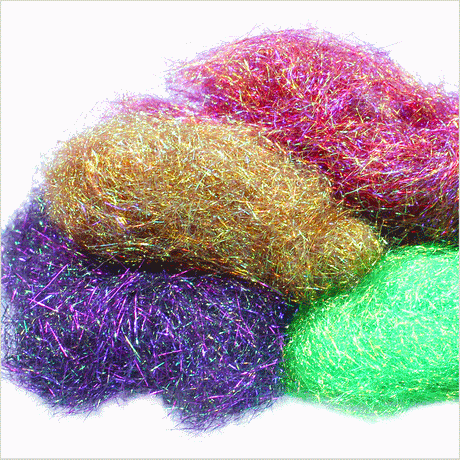
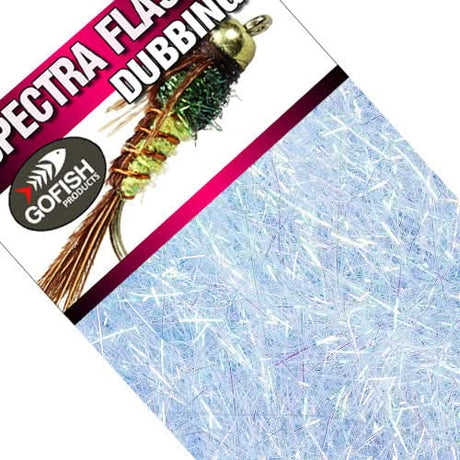
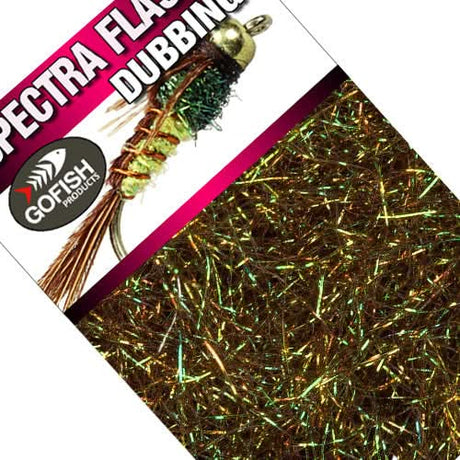
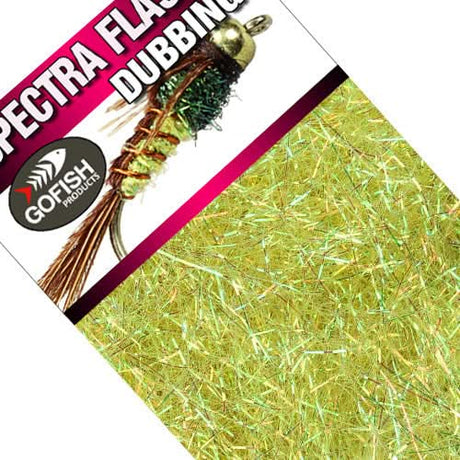
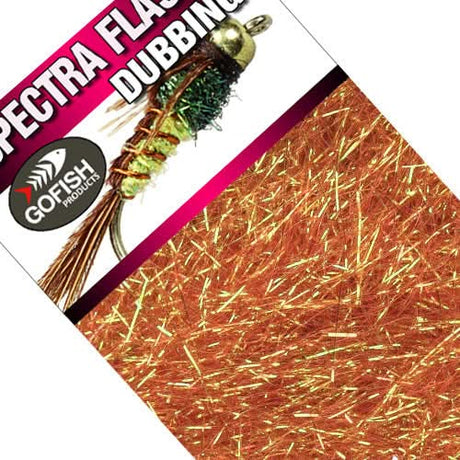
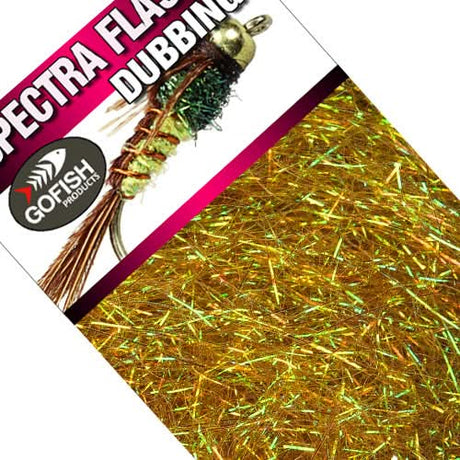
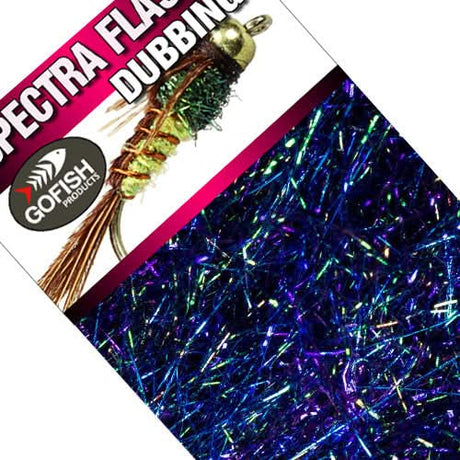
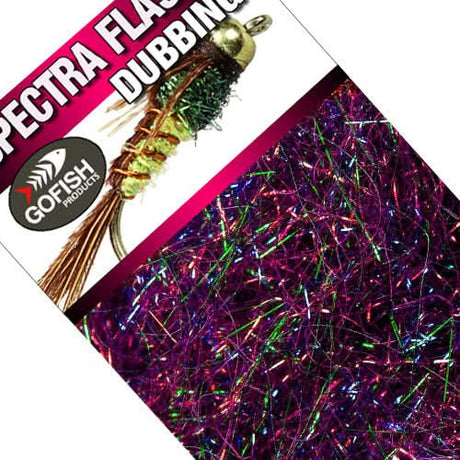
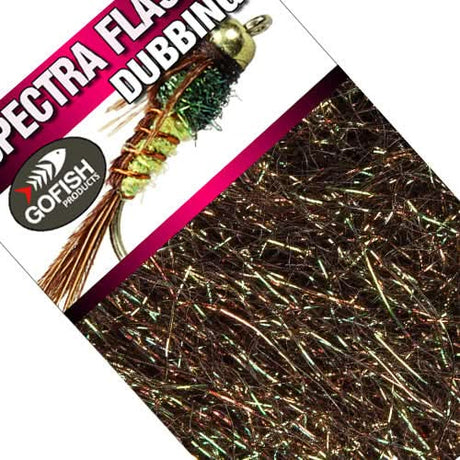
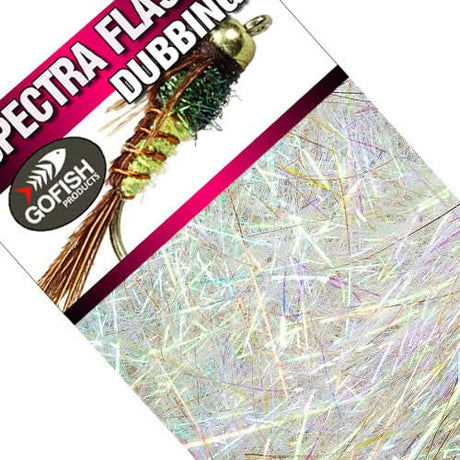
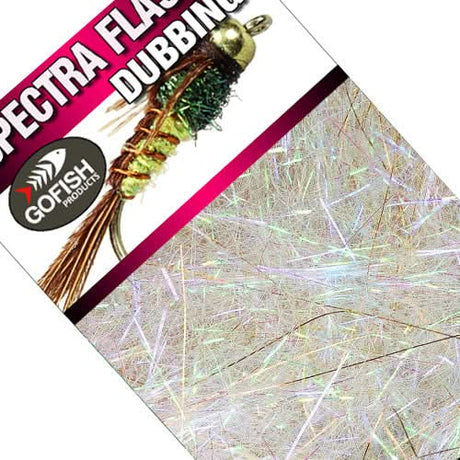
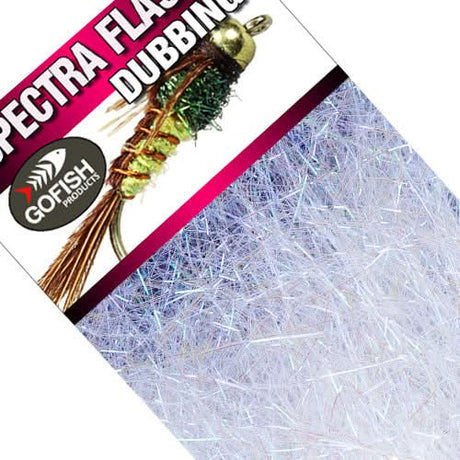
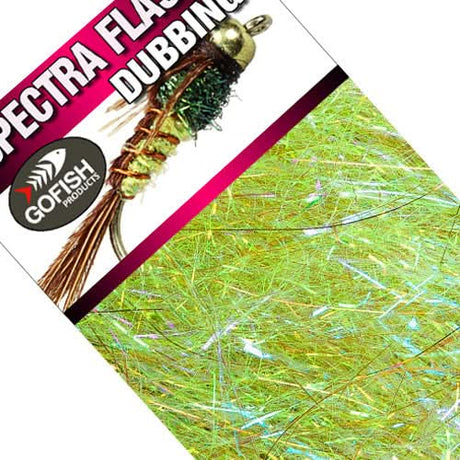
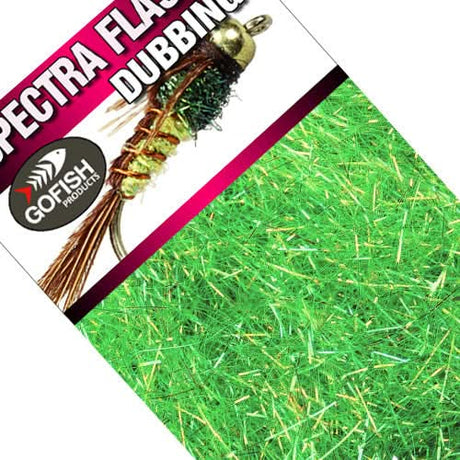
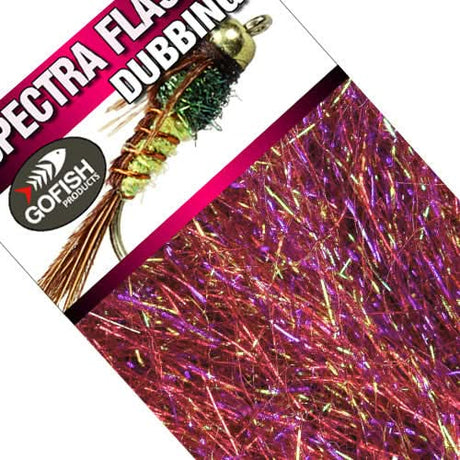
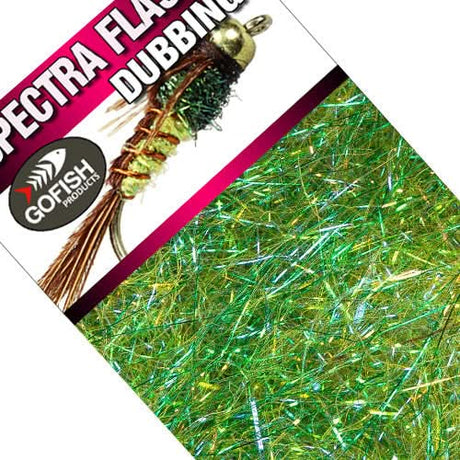
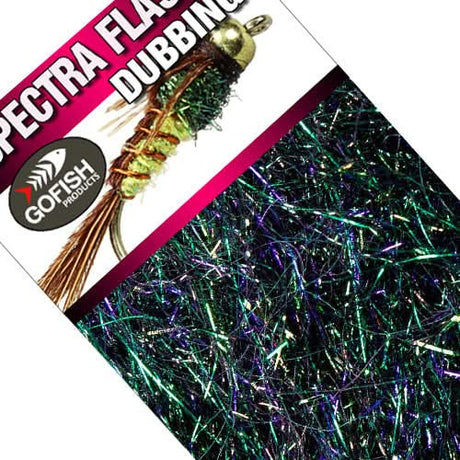
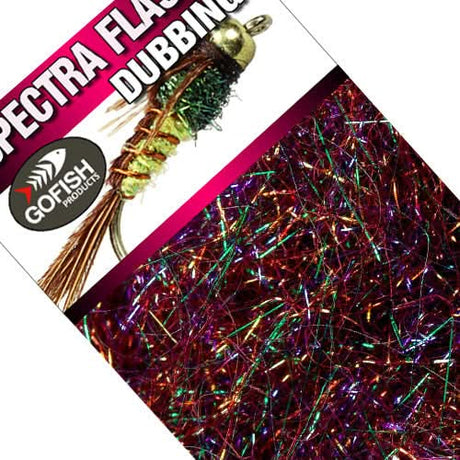
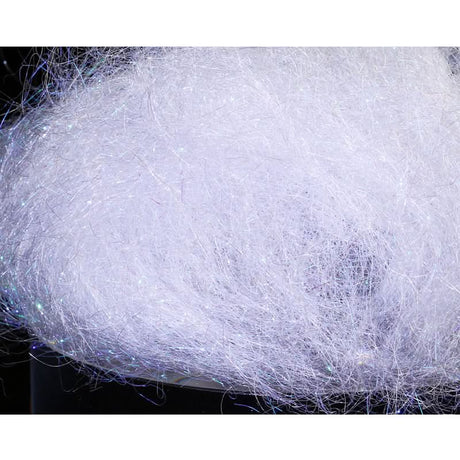
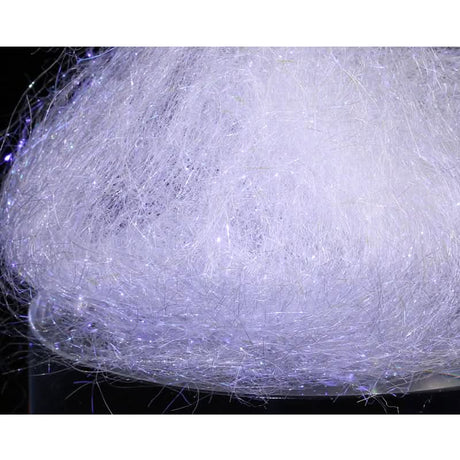
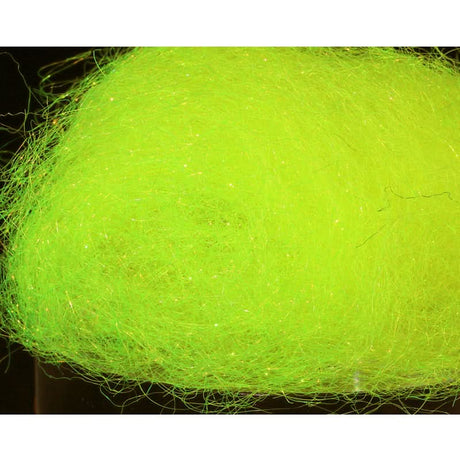
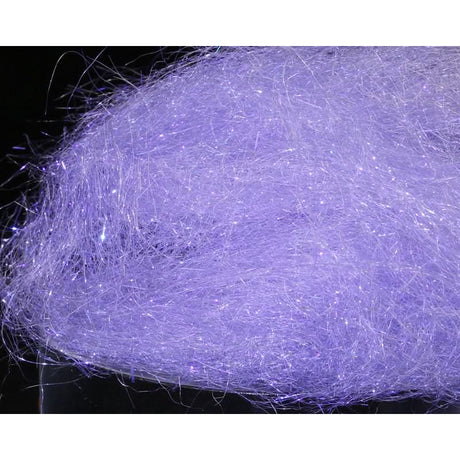
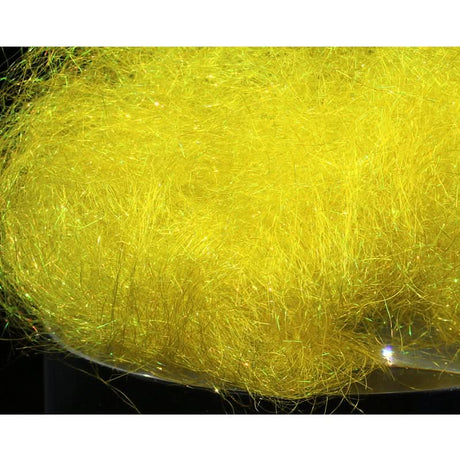
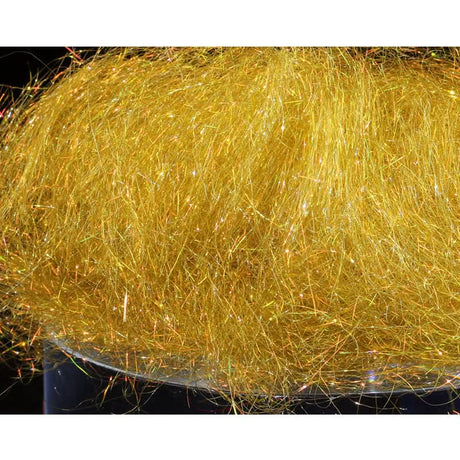
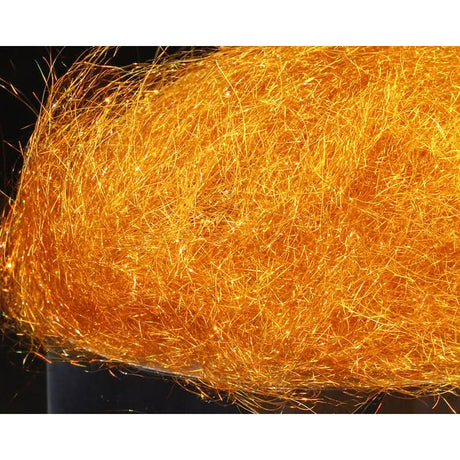
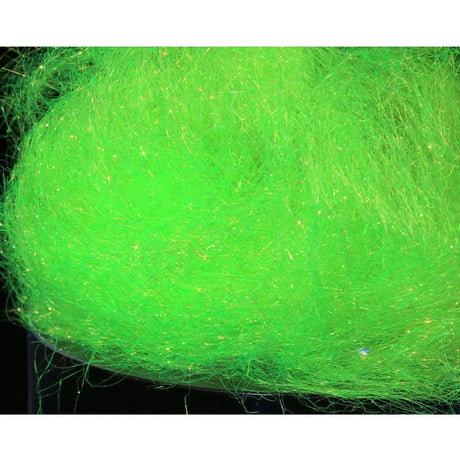
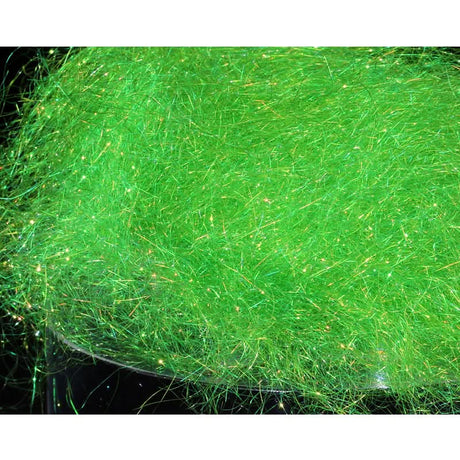
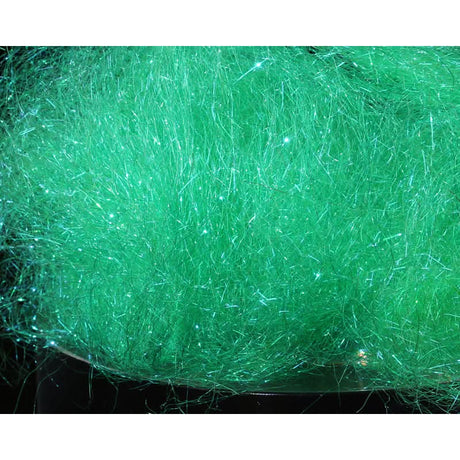
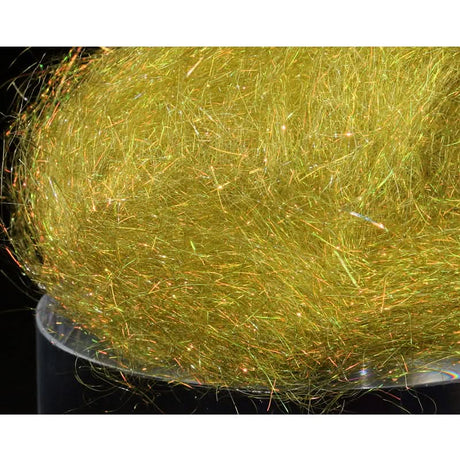
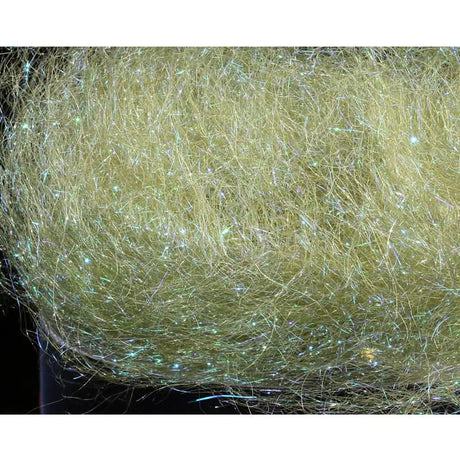
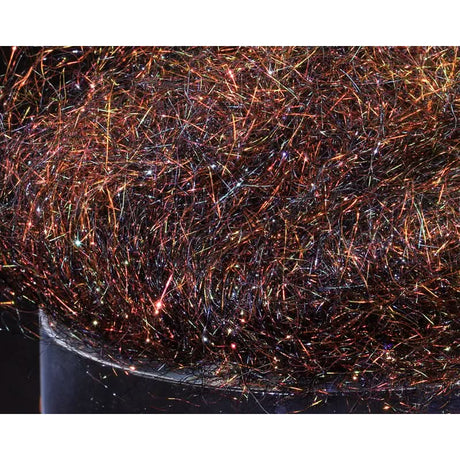
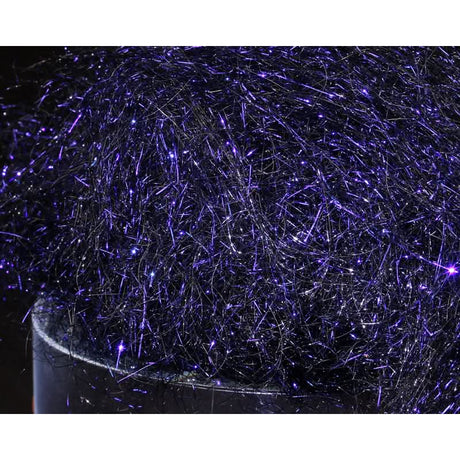
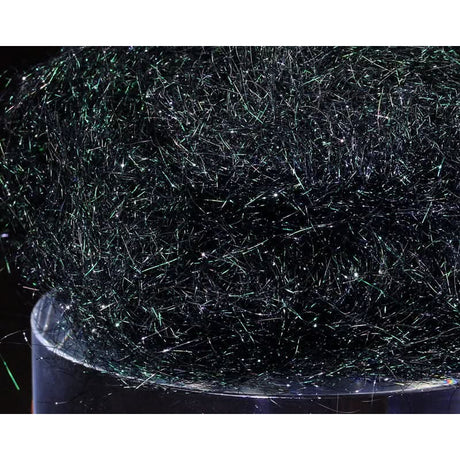
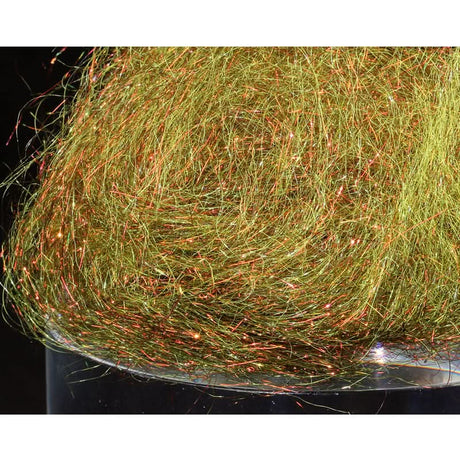


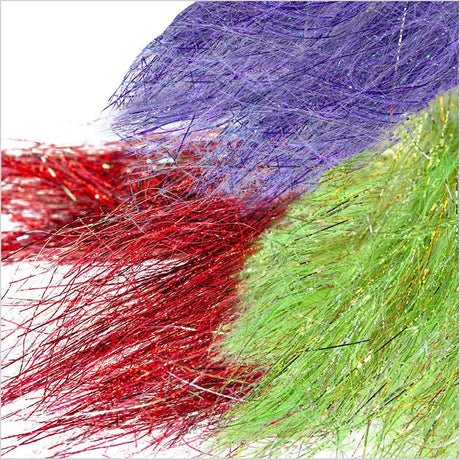


Fly Tying Dubbing: Natural, Synthetic and UV Fibres
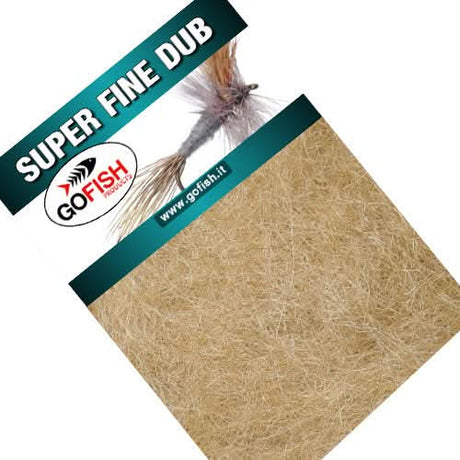
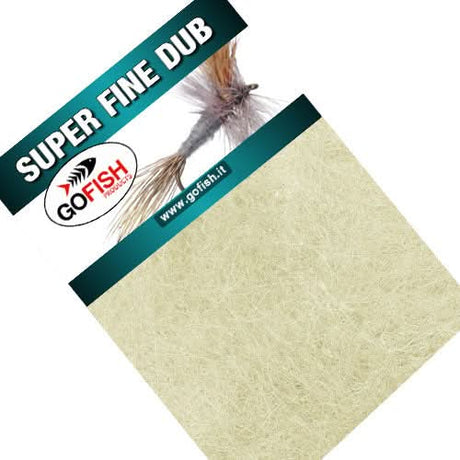
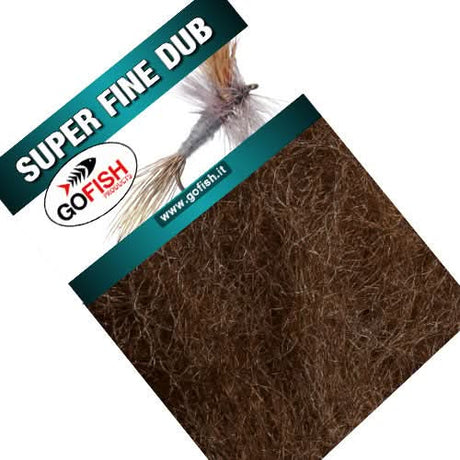
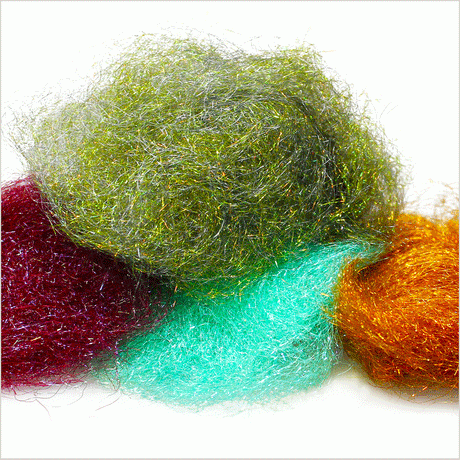
Dubbing is one of the most adaptable materials for building the body and thorax of an artificial fly. Fine fibres can create a compact profile, while coarser or longer materials offer different textures and more pronounced body shapes. Choosing the right fly tying dubbing is therefore a matter of fibre structure as well as colour.
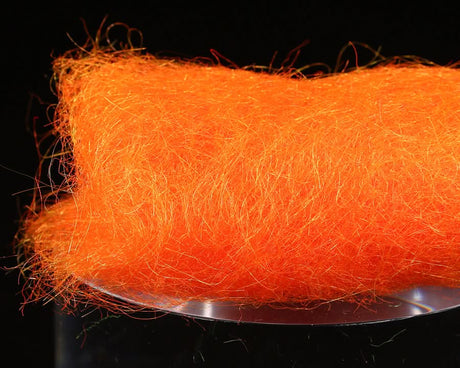
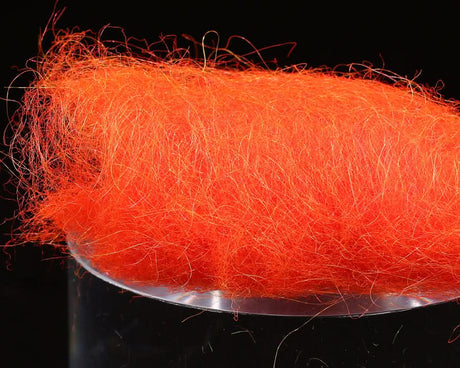
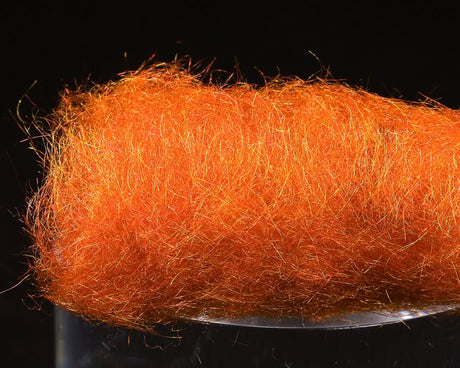
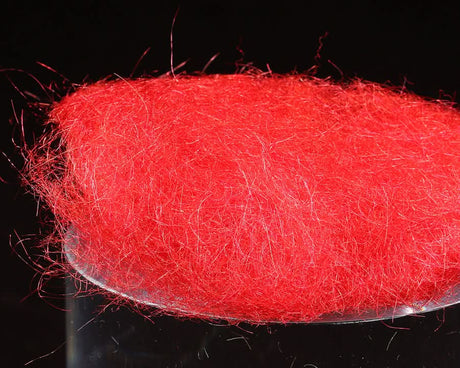
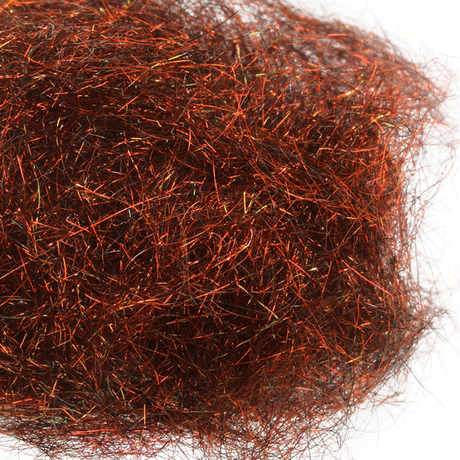
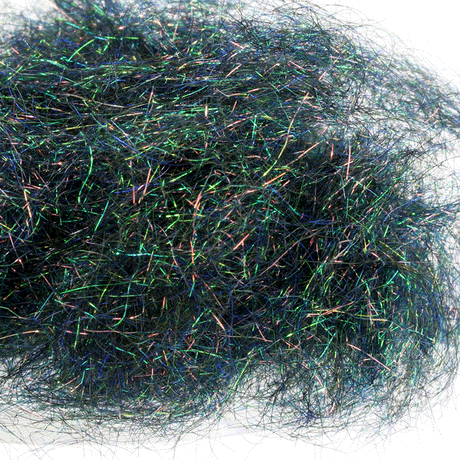
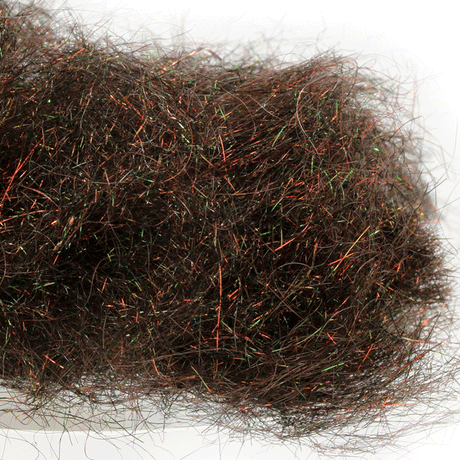
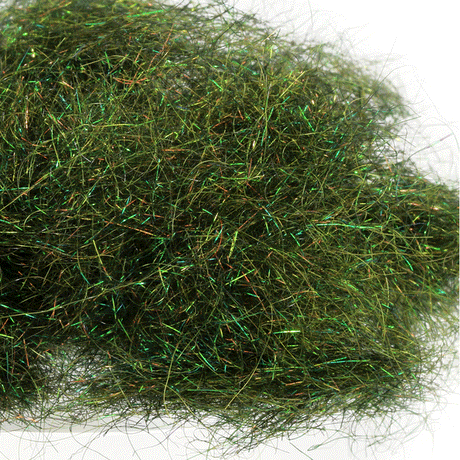
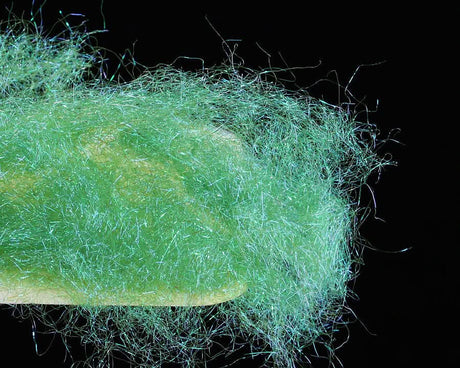
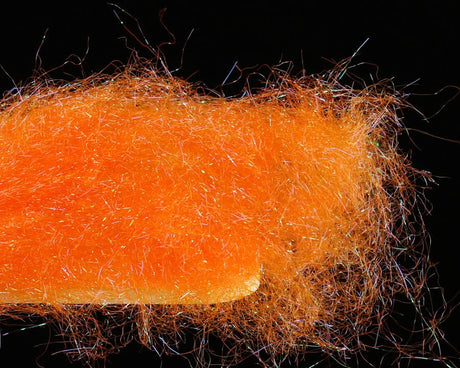
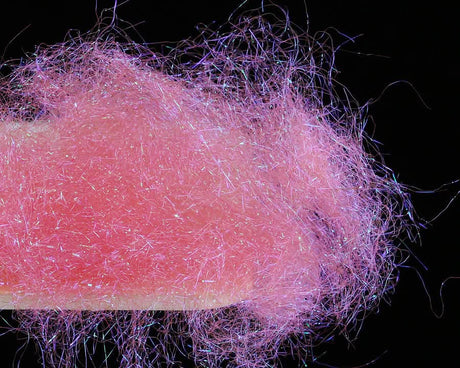
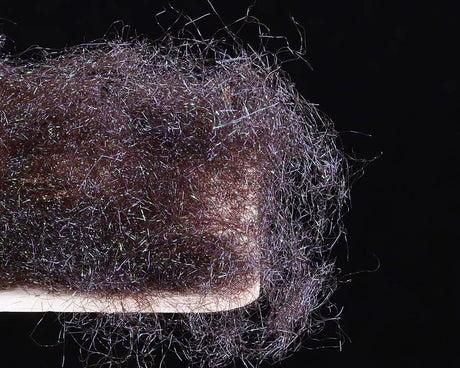
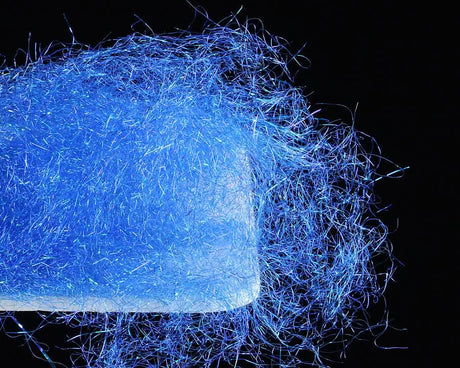
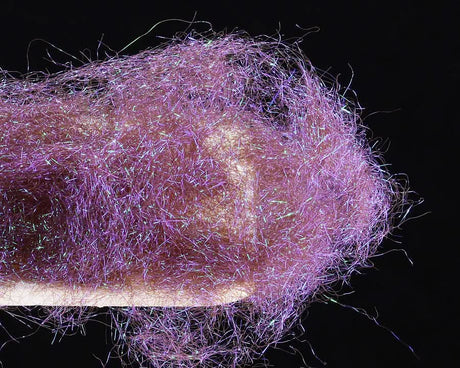
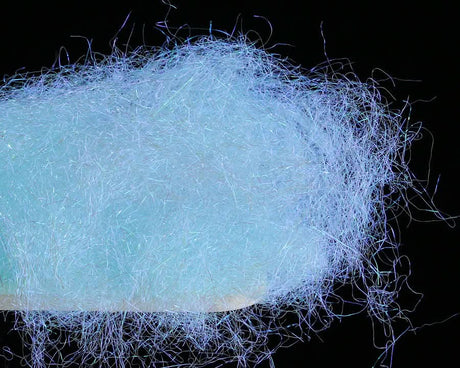
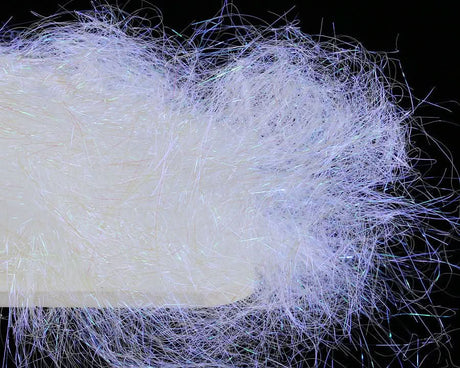
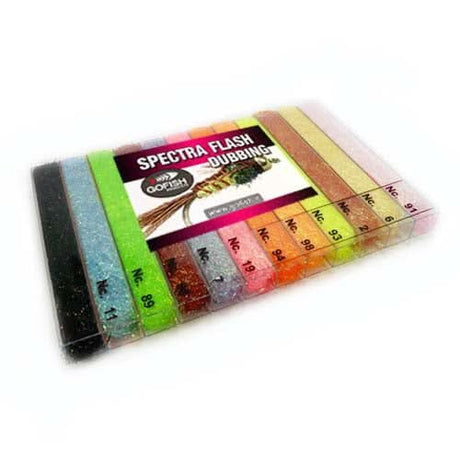
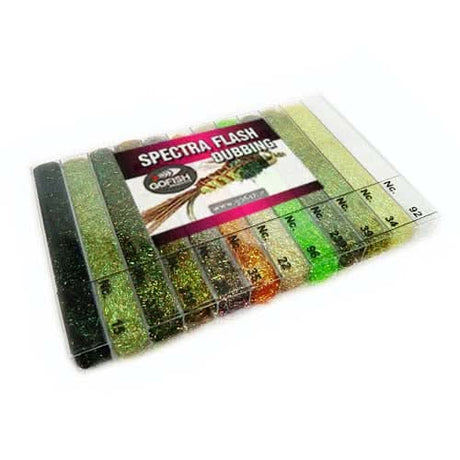
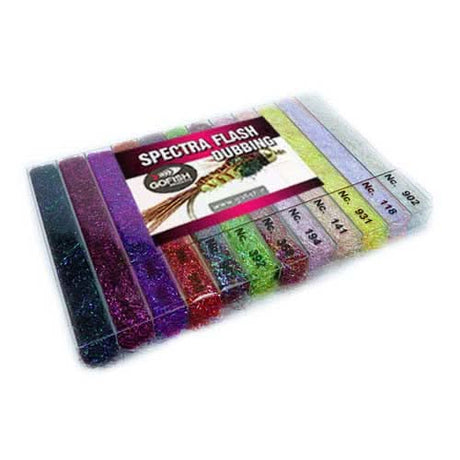
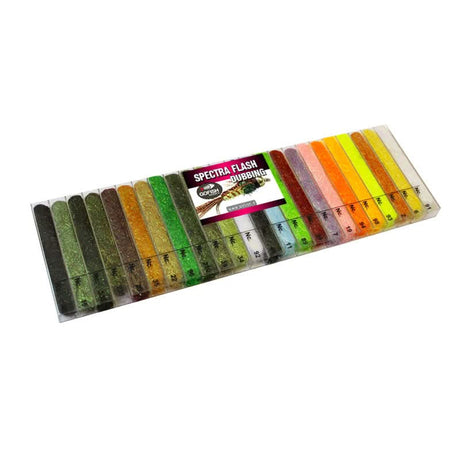
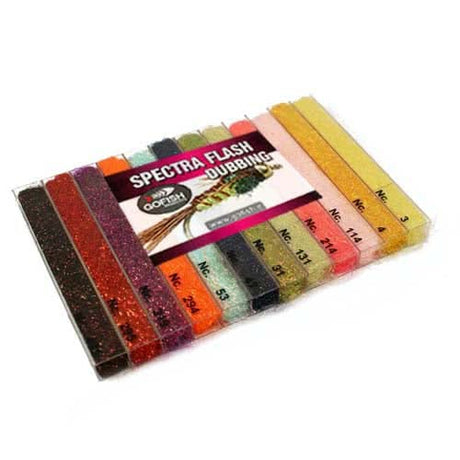
The selection includes natural hare and alpaca dubbing, synthetic SLF fibres, UV and flash blends, longer streamer dubbing and dispensers containing several colours. Each type suits different tying requirements, from small dry flies to substantial nymph thoraxes and selected baitfish patterns.
Natural Dubbing for Nymphs and Dry Flies
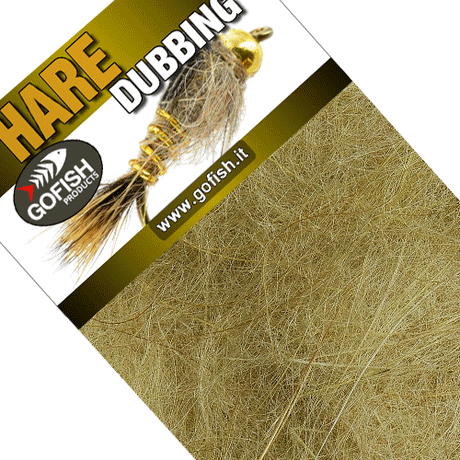
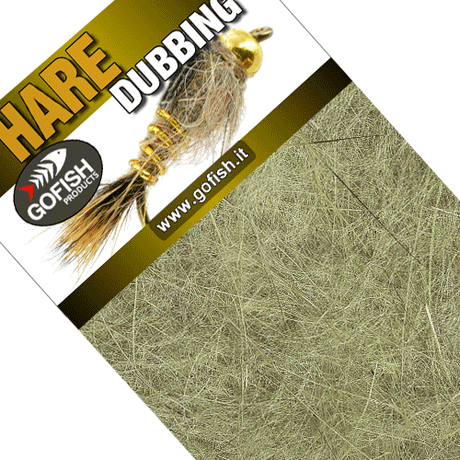
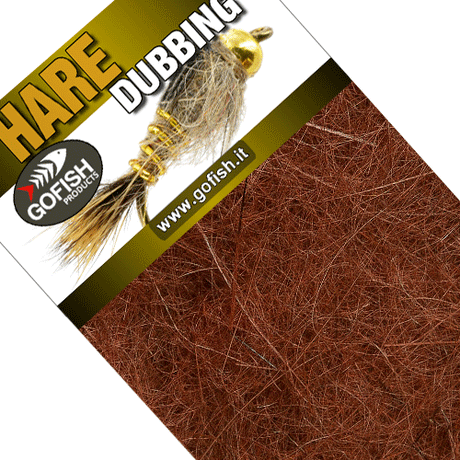
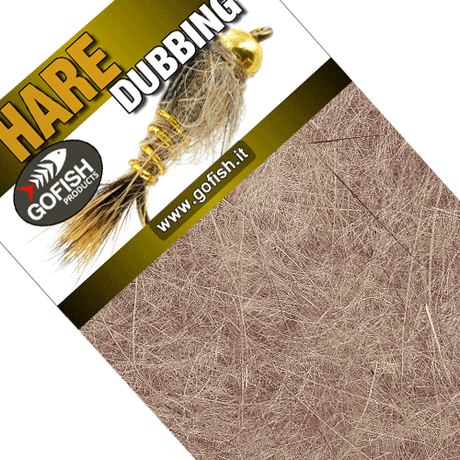
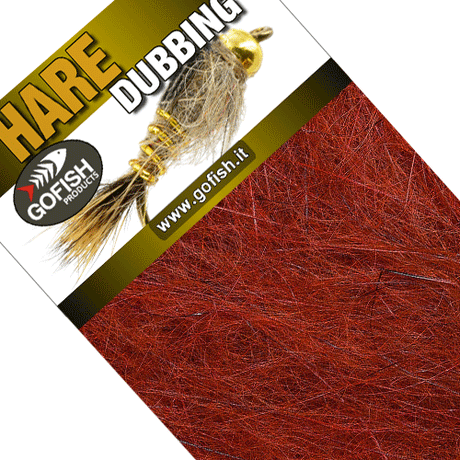
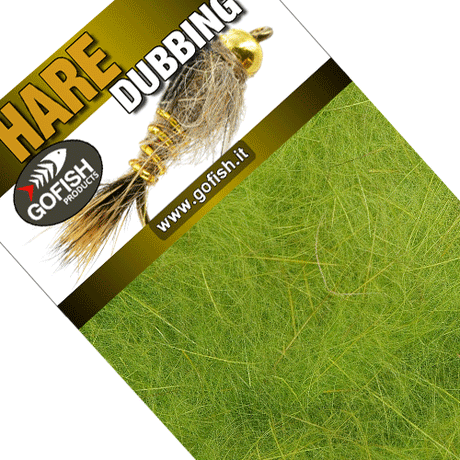
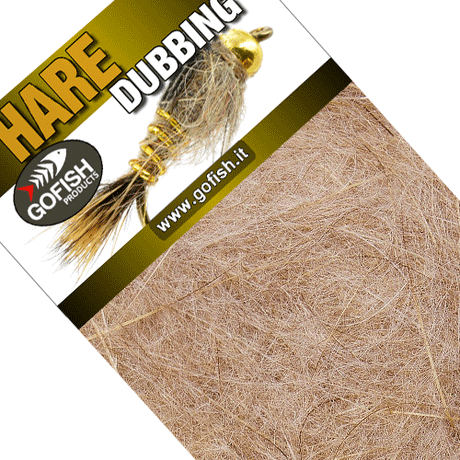
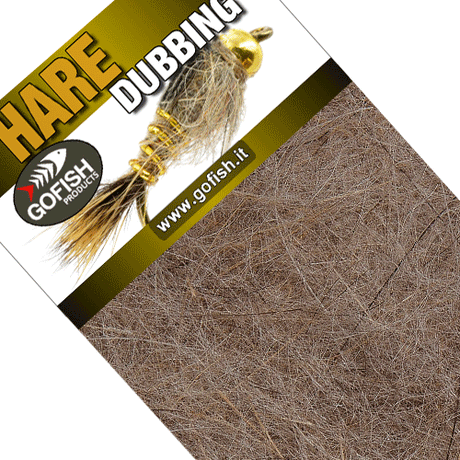
Hare dubbing for textured bodies
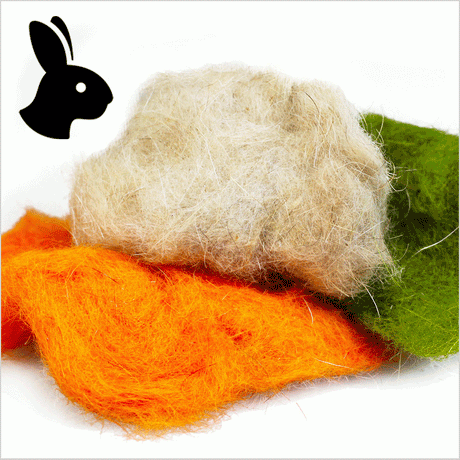
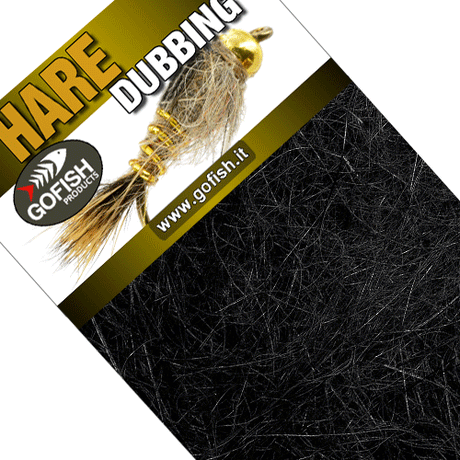
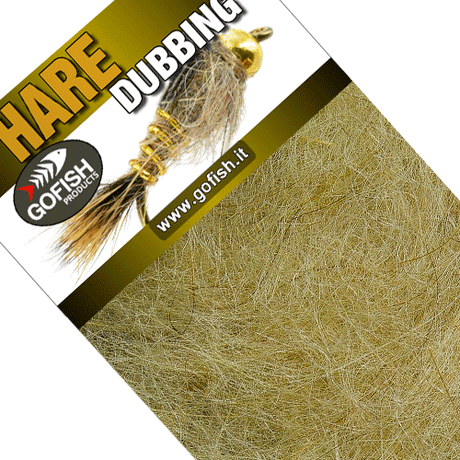
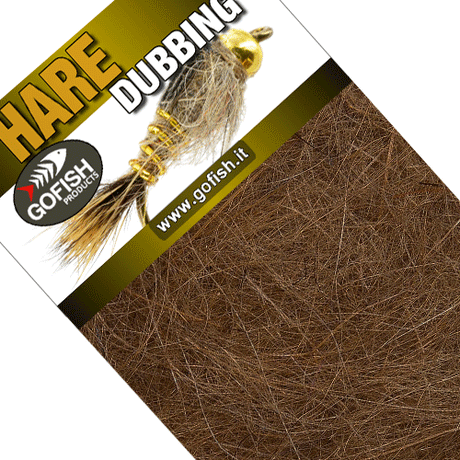
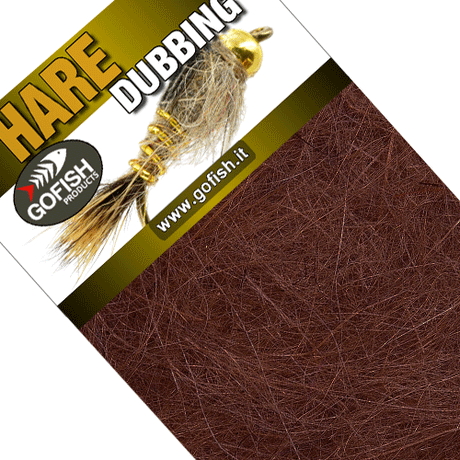
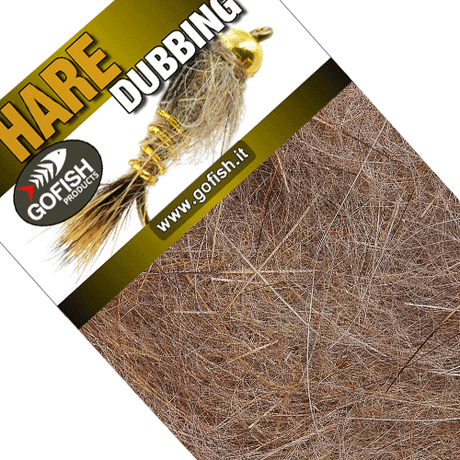
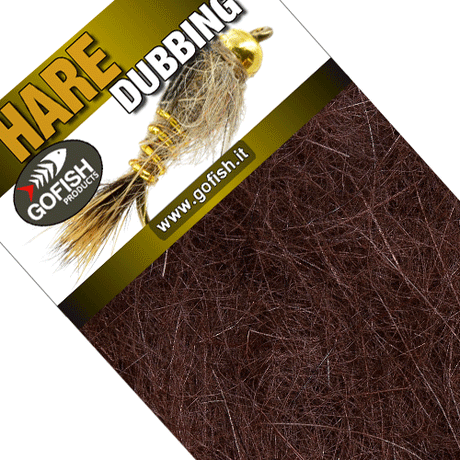
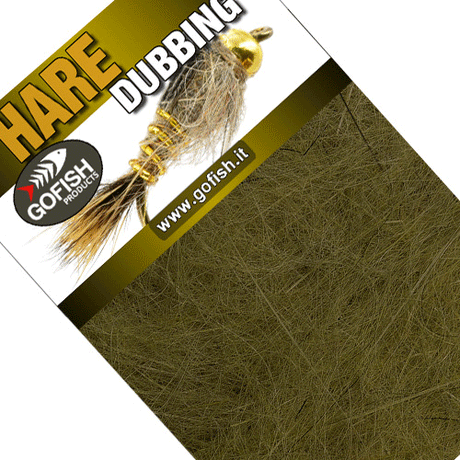
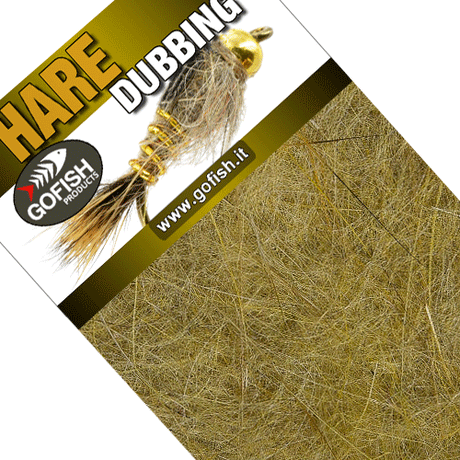
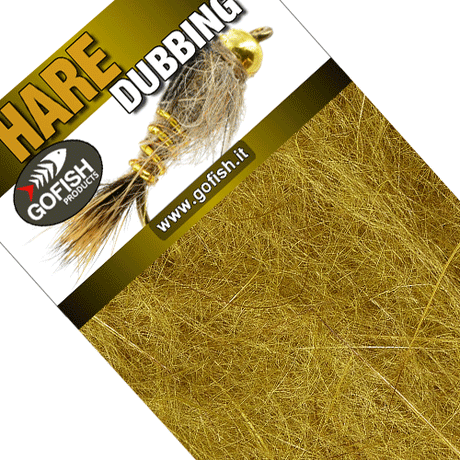
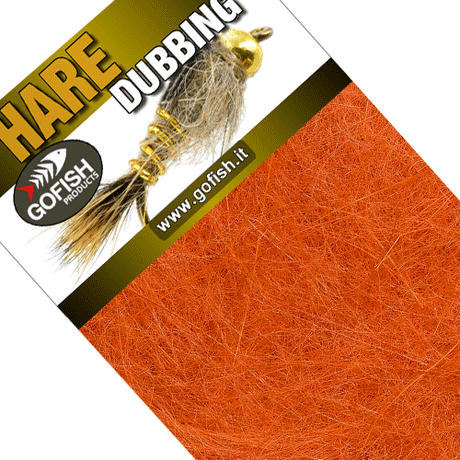
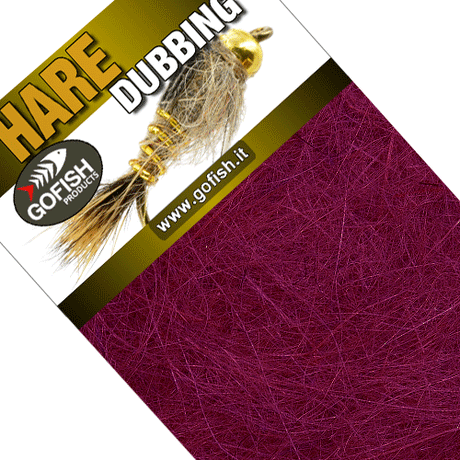
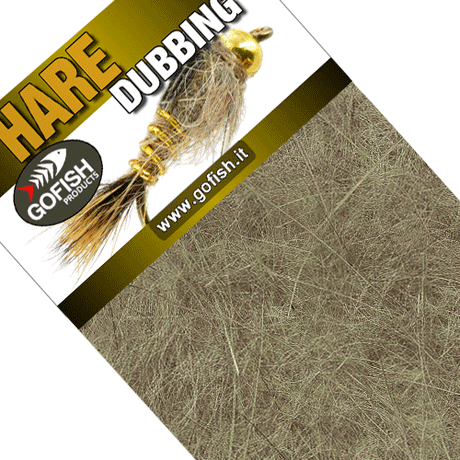
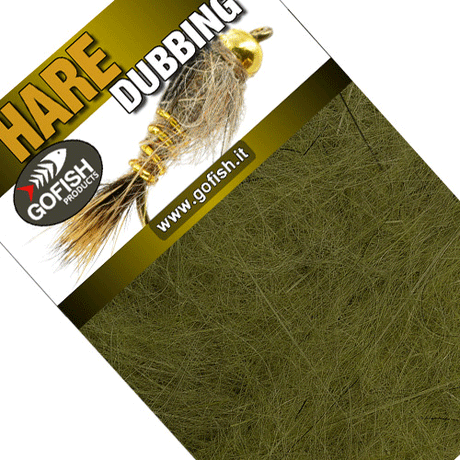
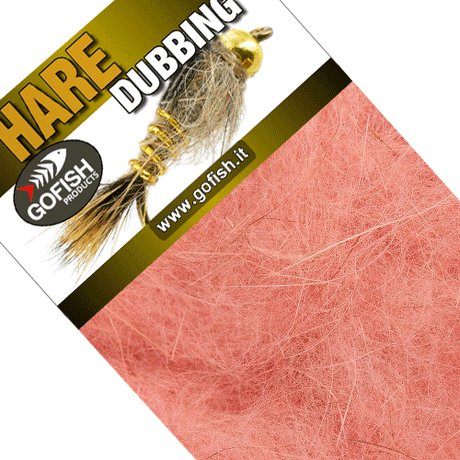
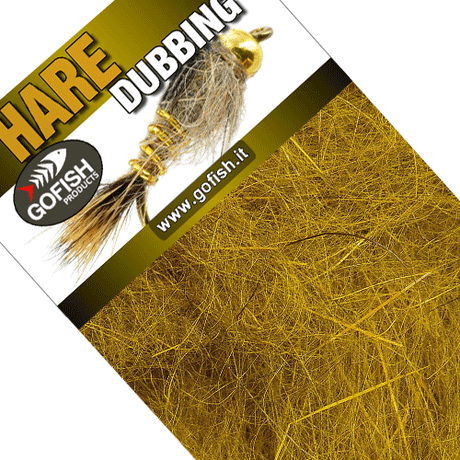
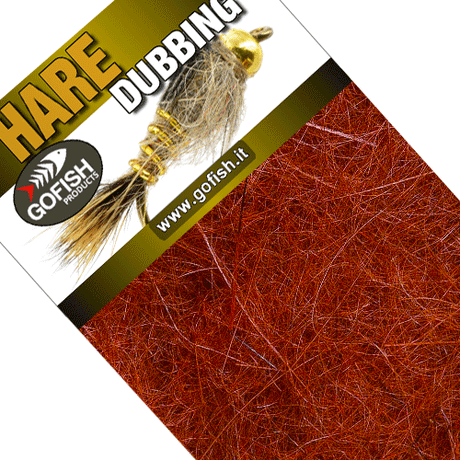
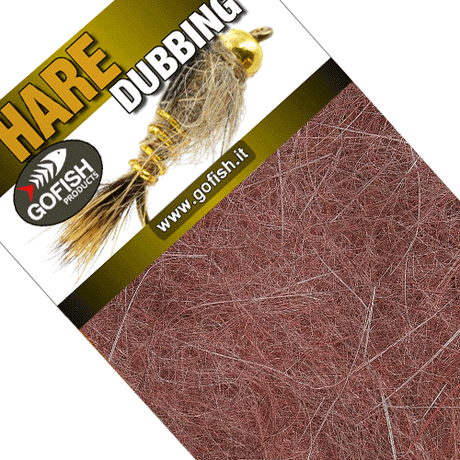
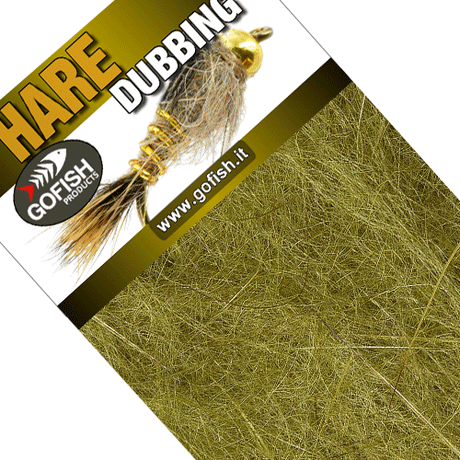
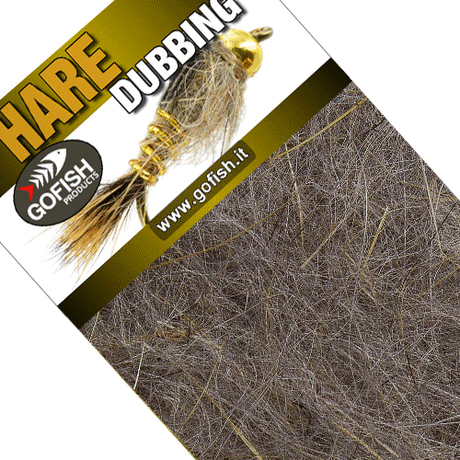
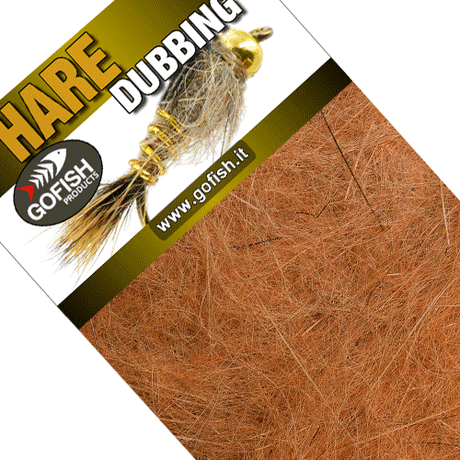
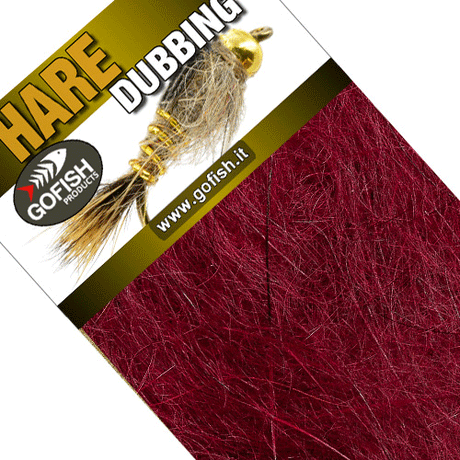
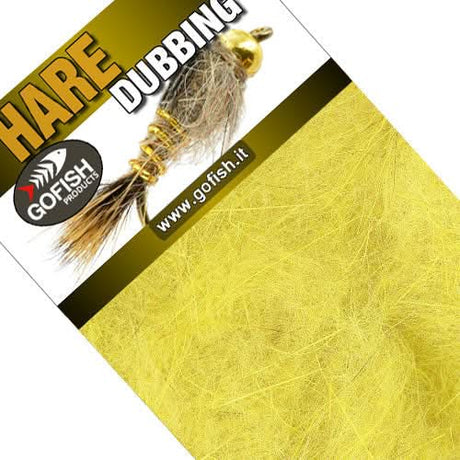
Hare dubbing has a naturally irregular fibre structure and is used in various nymphs, wet flies and dry flies. It can be applied to create a textured body or a fuller thorax.
Once the material has been tied in, selected fibres can be carefully teased out when a less compact profile is desired.
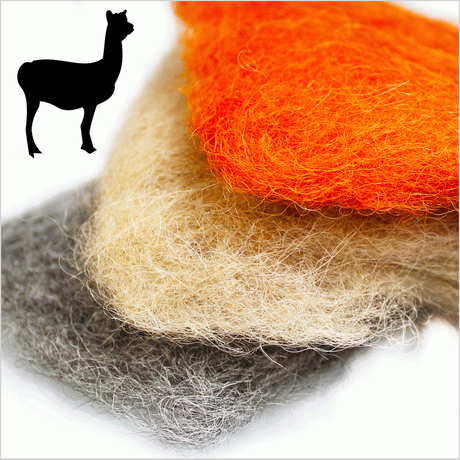
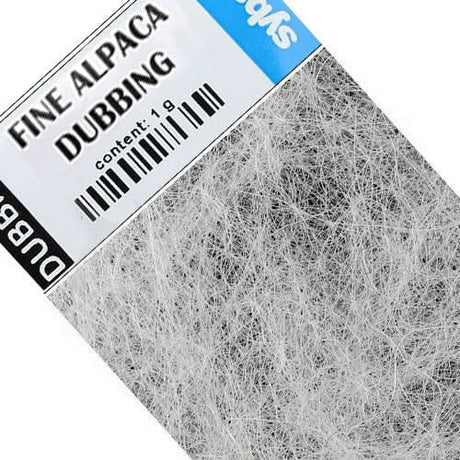
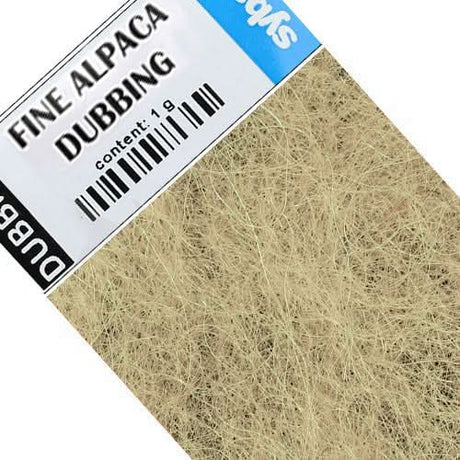
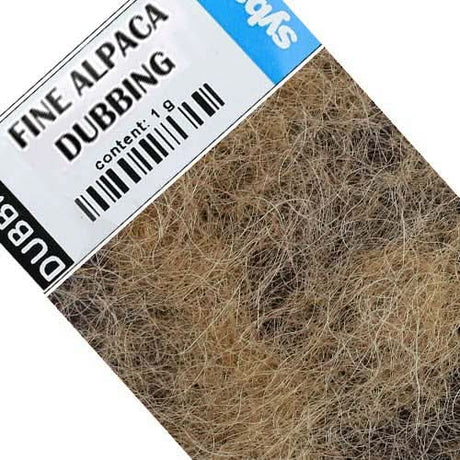
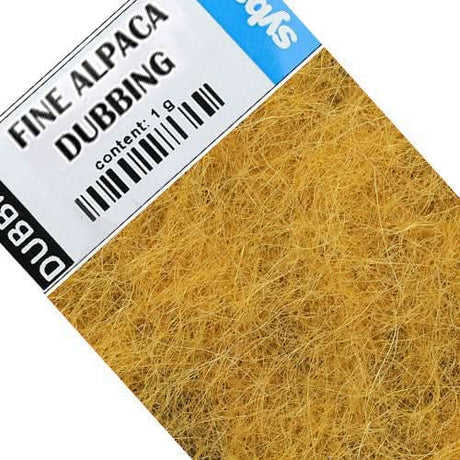
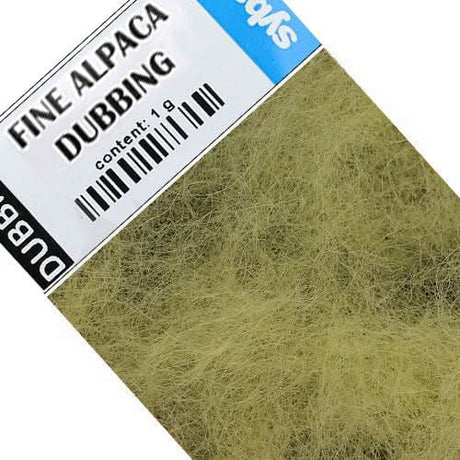
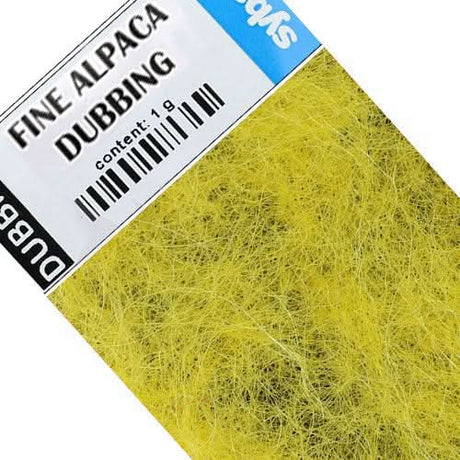
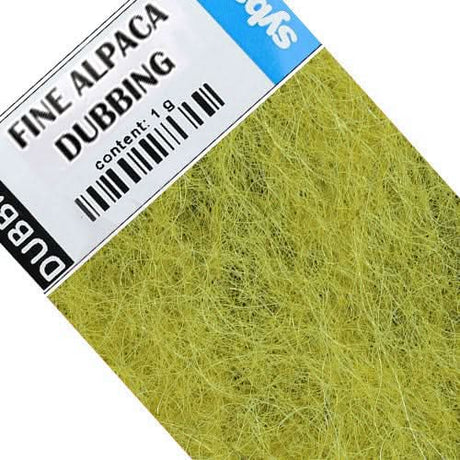
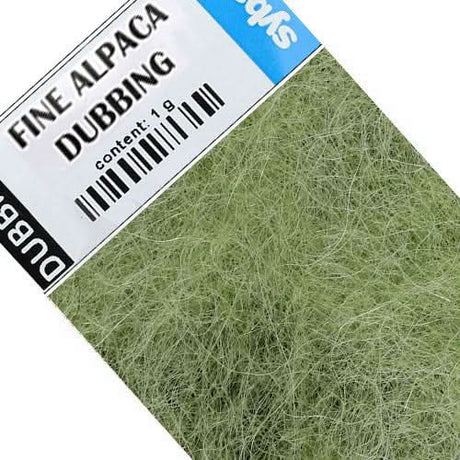
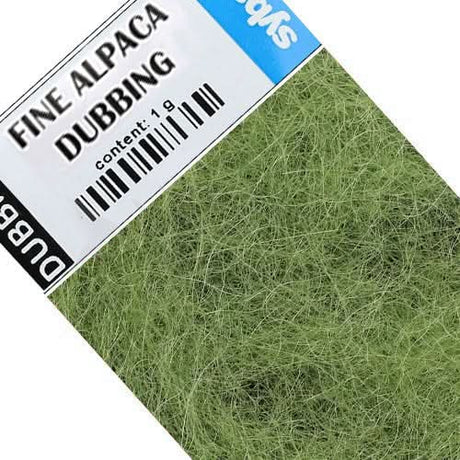
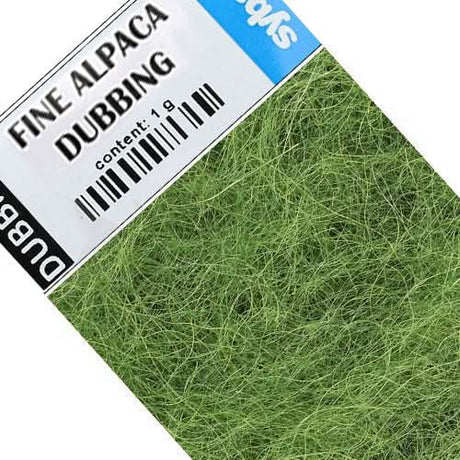
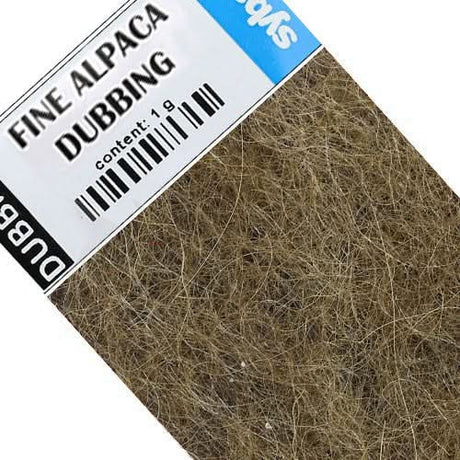
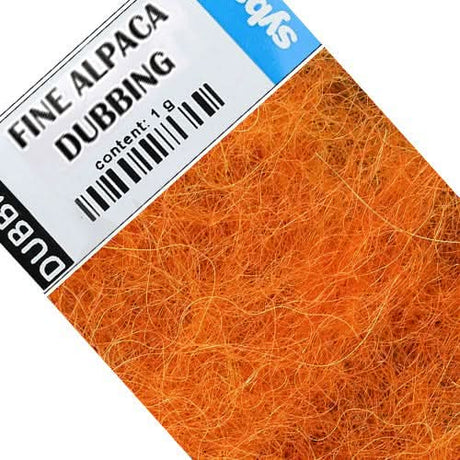
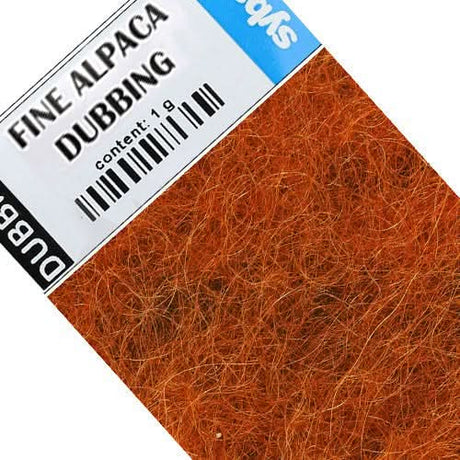
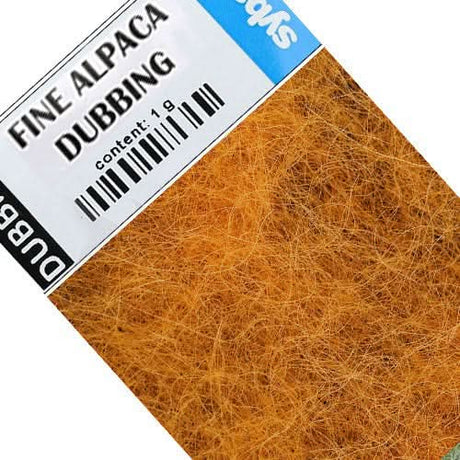
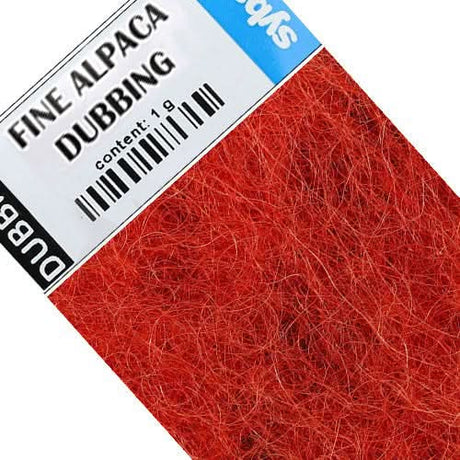
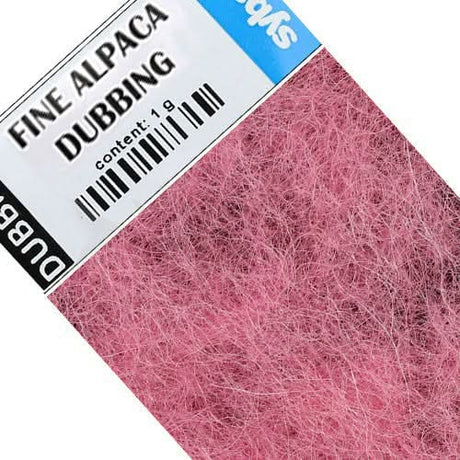
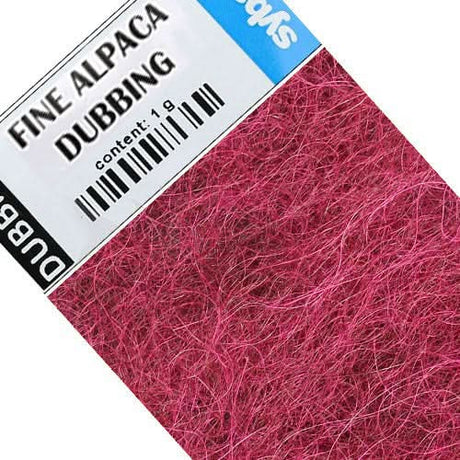
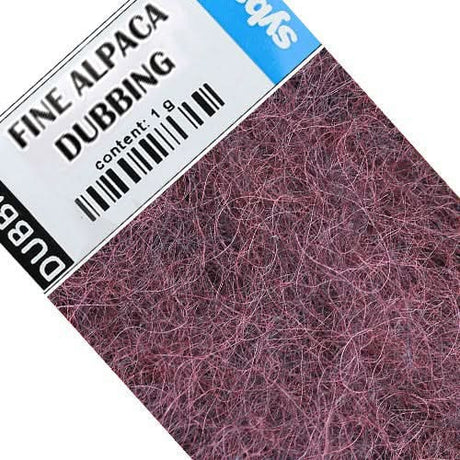
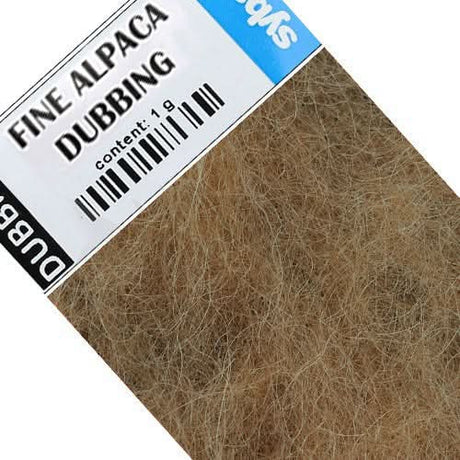
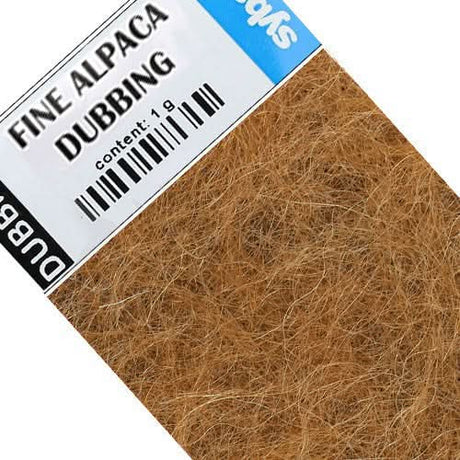
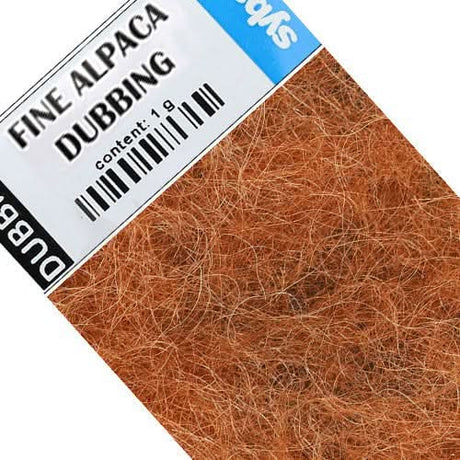
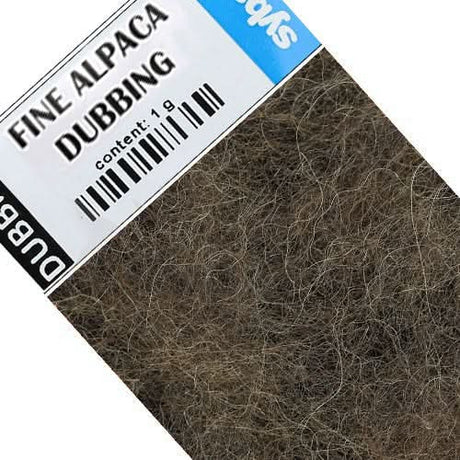
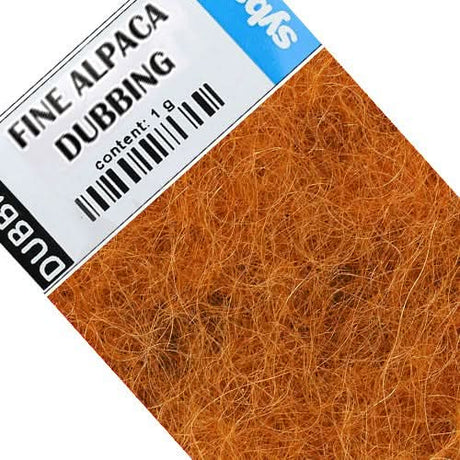
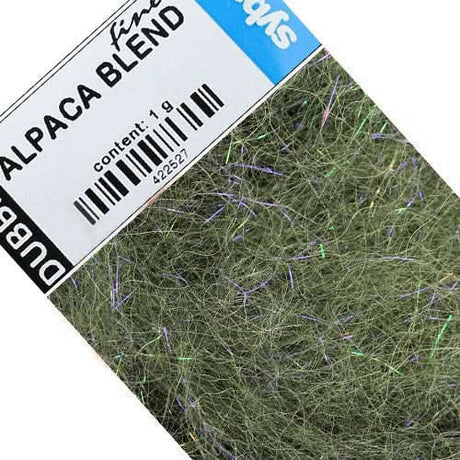
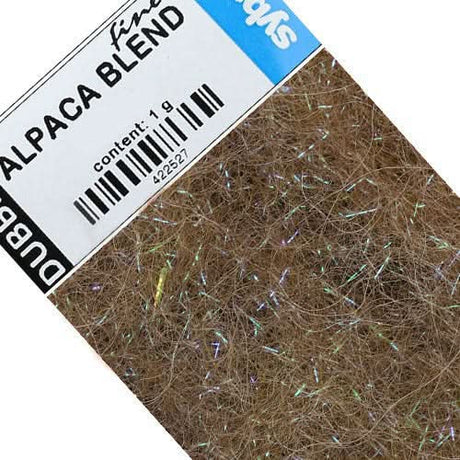
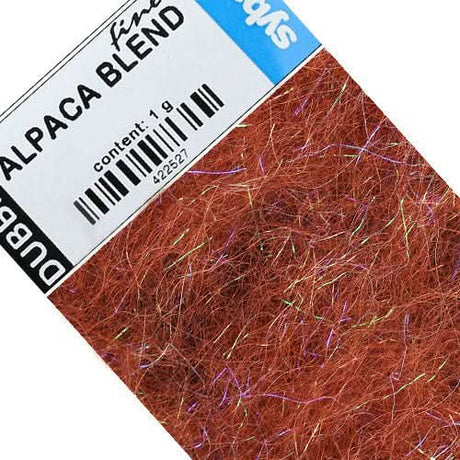
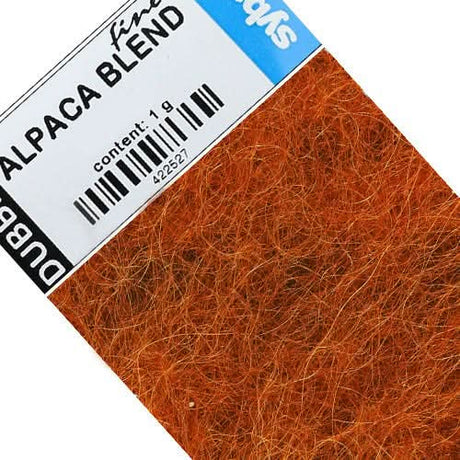
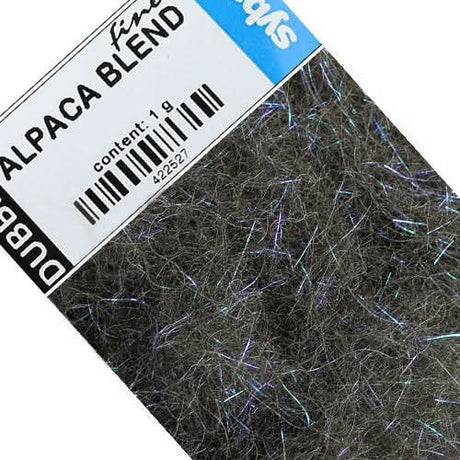
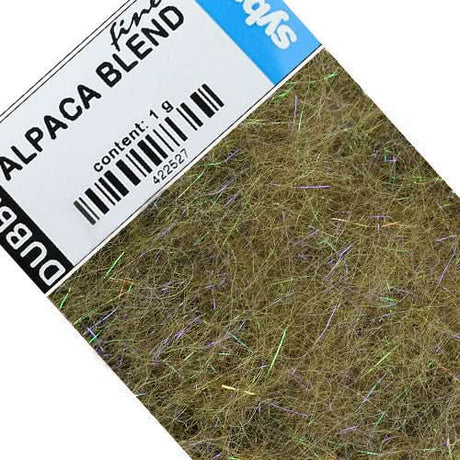
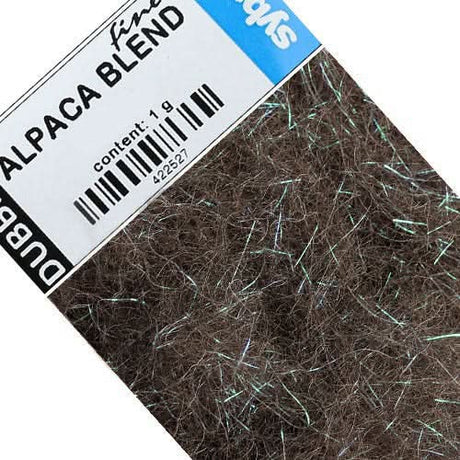
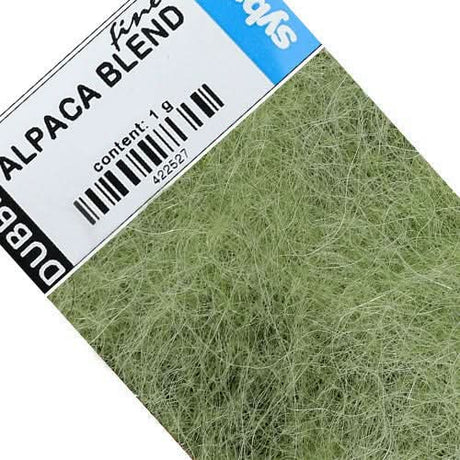
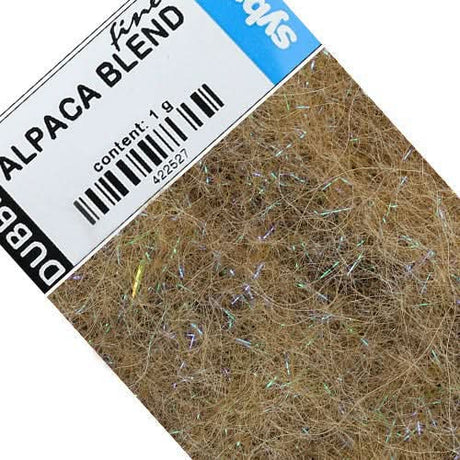
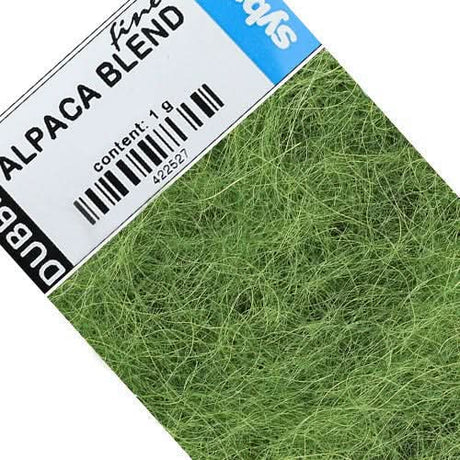
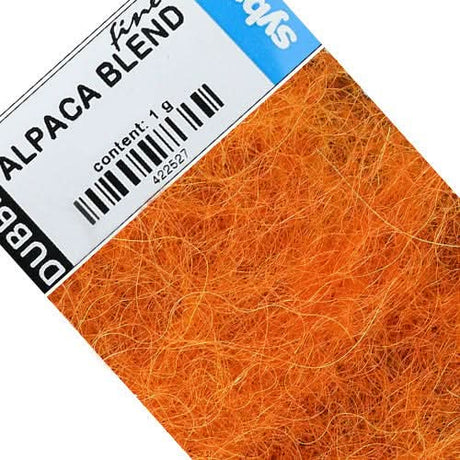
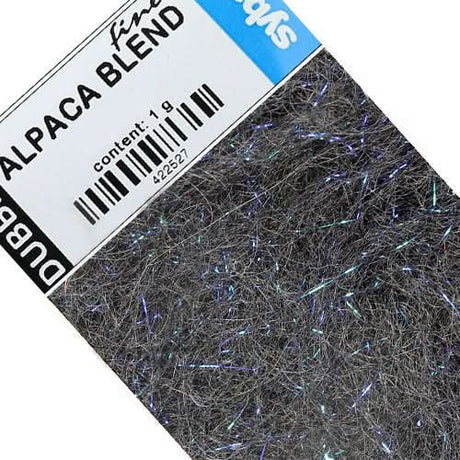
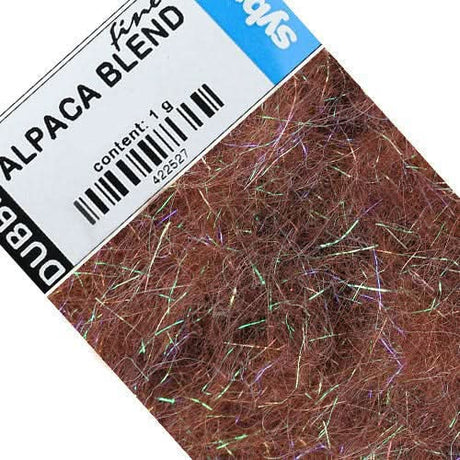
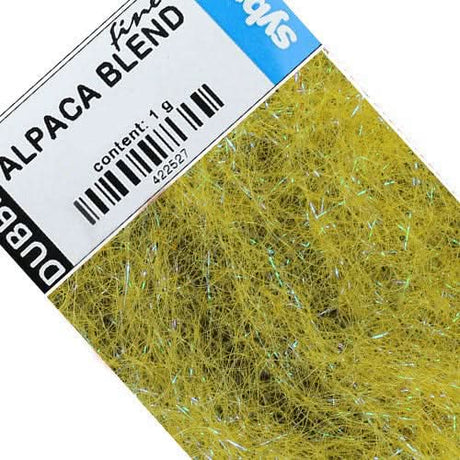
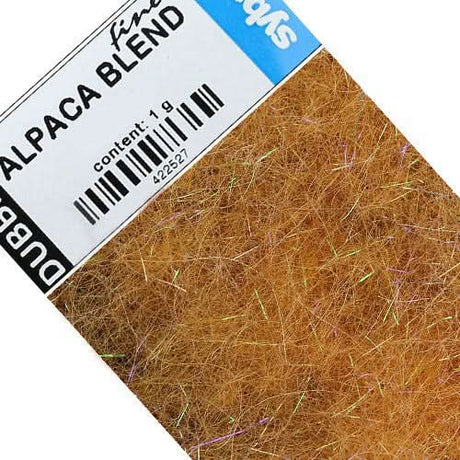
Fine alpaca dubbing
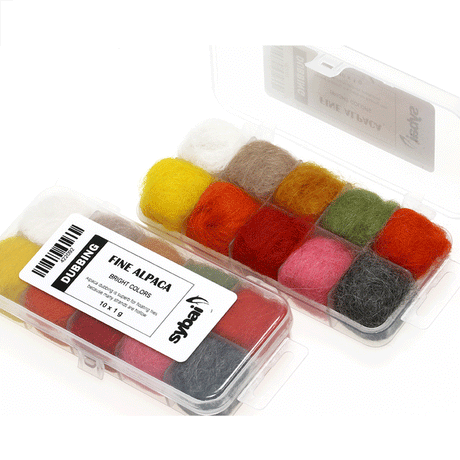
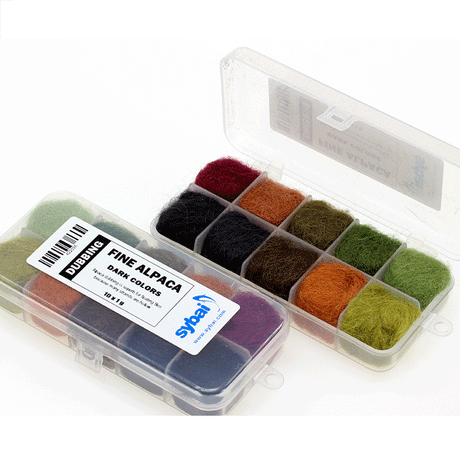
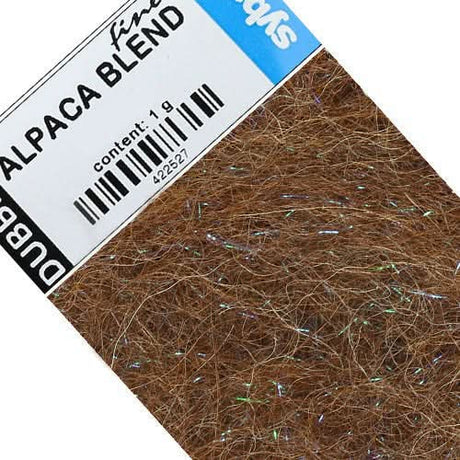
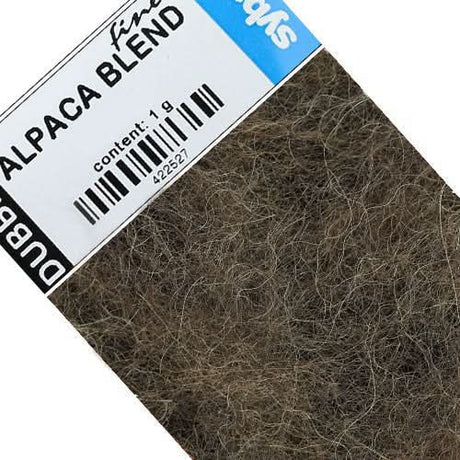
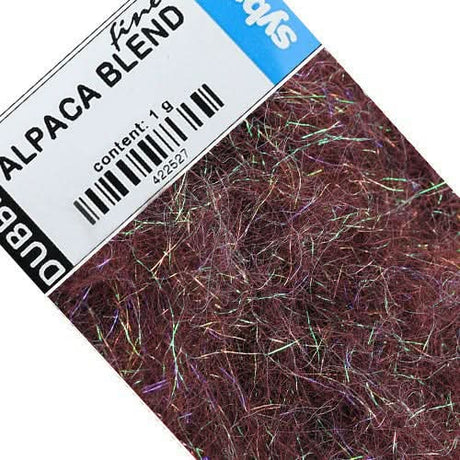
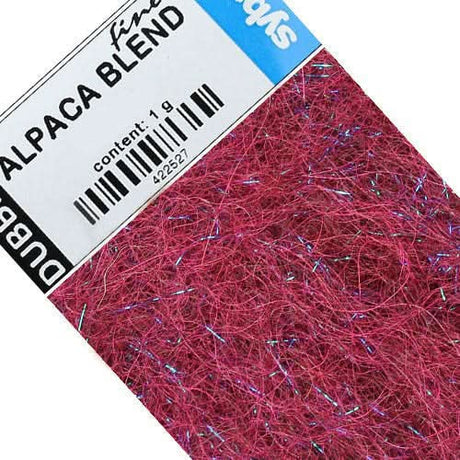
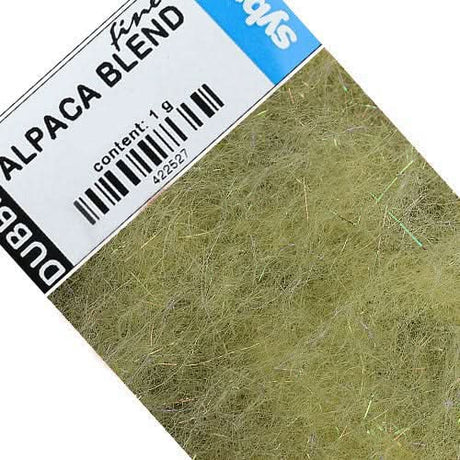
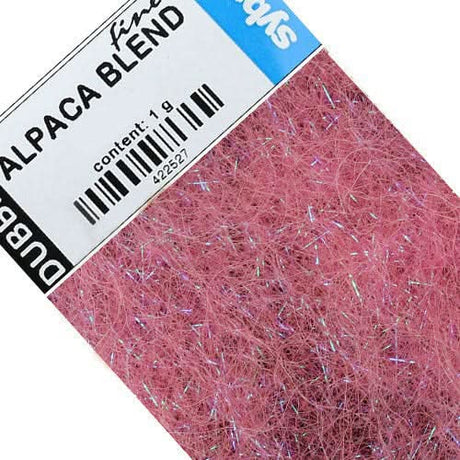
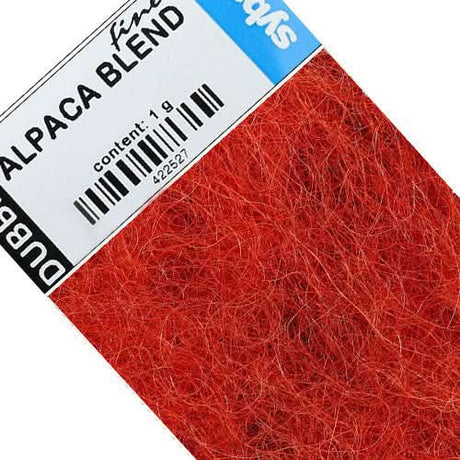
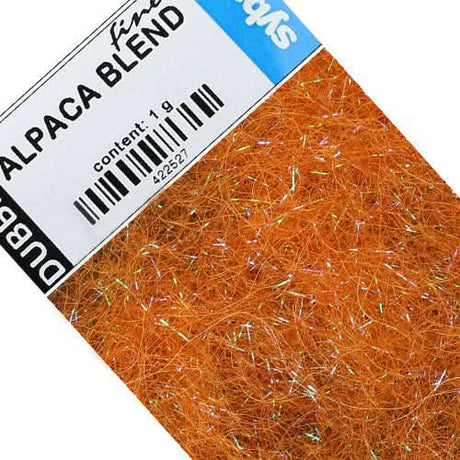
Fine alpaca dubbing offers a different natural fibre texture. It can be considered for compact nymph and dry fly bodies where finer material is useful.
Apply it sparingly, particularly on small hooks, to avoid building more bulk than the pattern requires.
Synthetic Dubbing and SLF Blends
Synthetic dubbing offers various fibre structures and visual finishes. SLF Dubbing is an option for dry flies, nymphs and selected streamer constructions.
Compare the length and texture of the fibres rather than relying on the material name alone. A fine blend may work well for a compact body, while a longer, more substantial material needs a different approach.
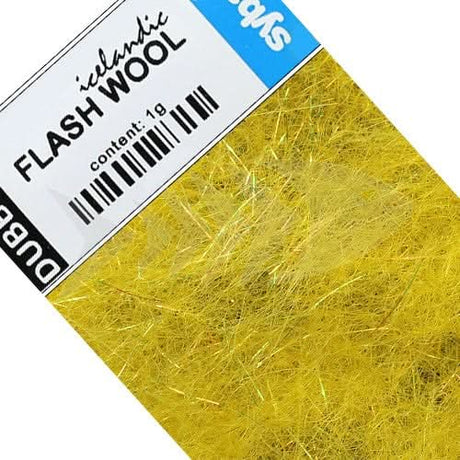
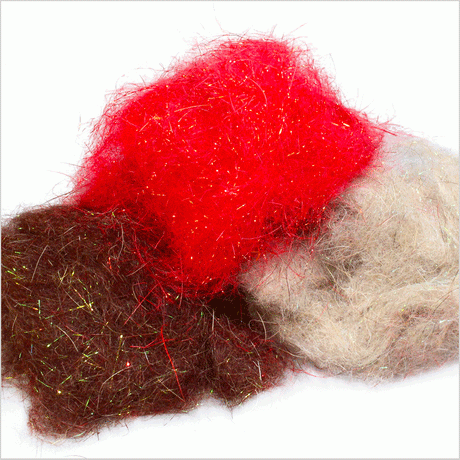
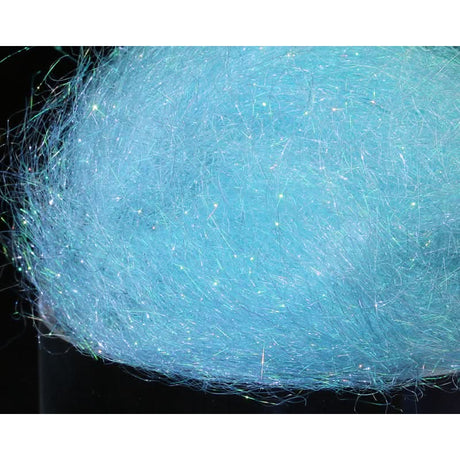
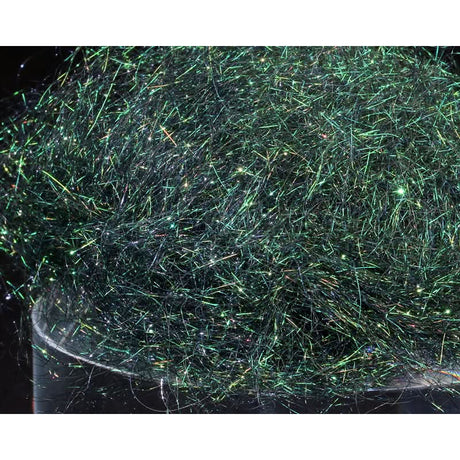
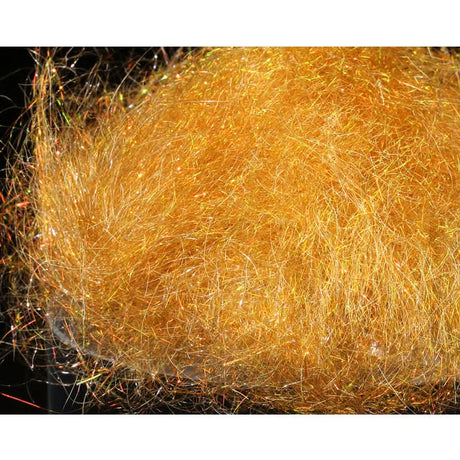
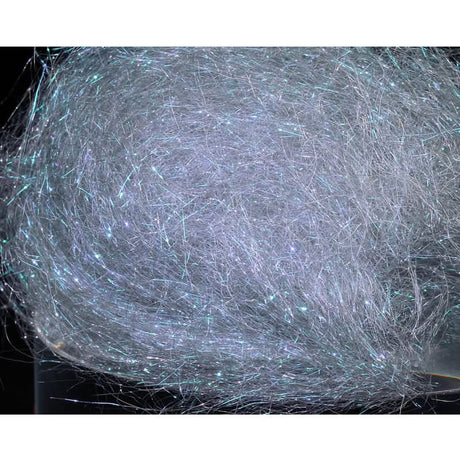
UV, Ice and Flash Dubbing
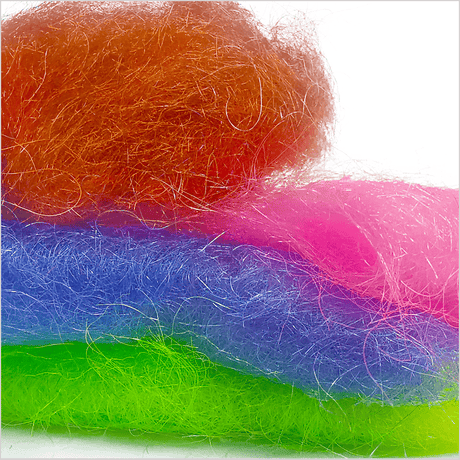
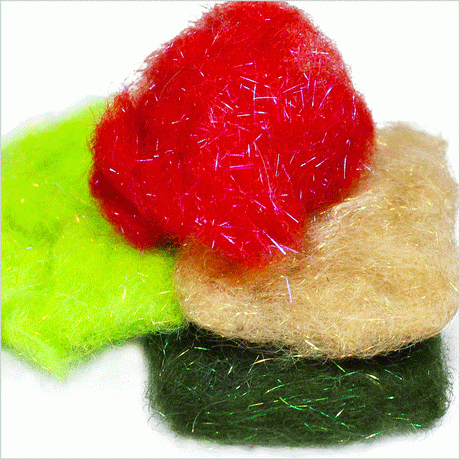
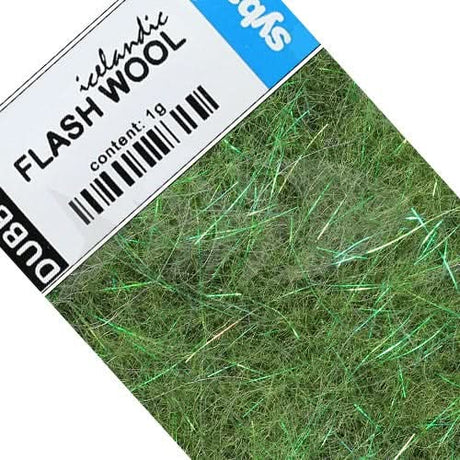
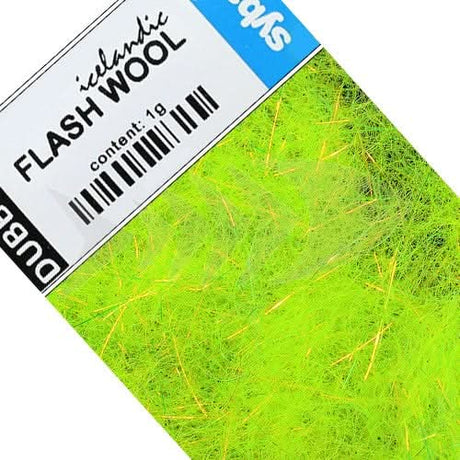
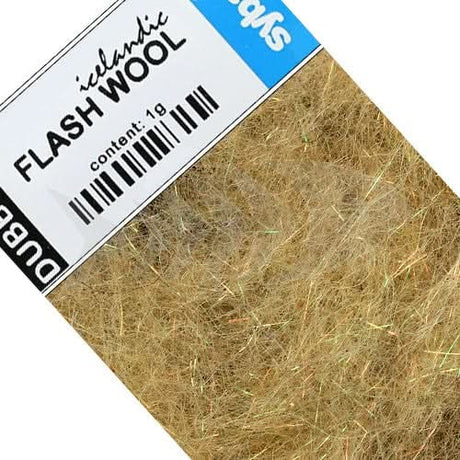
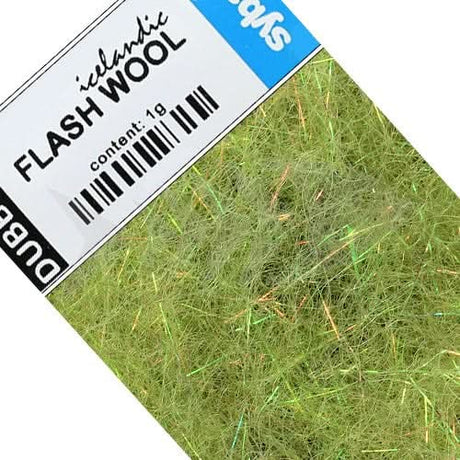
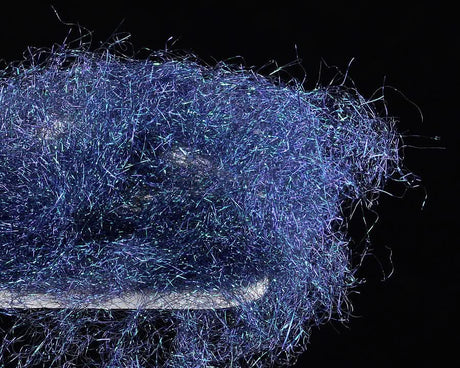
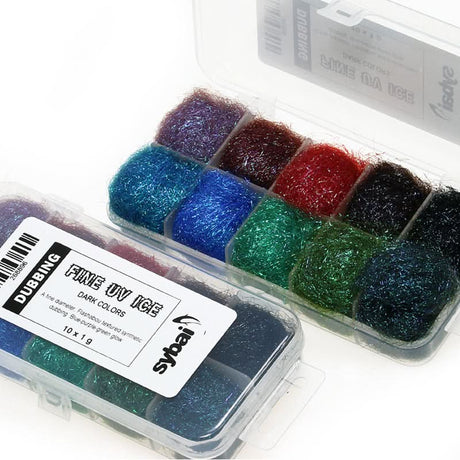
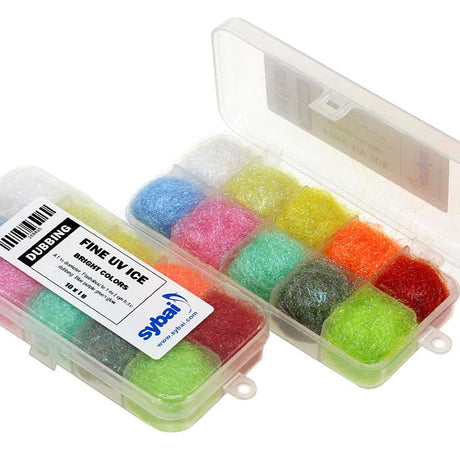
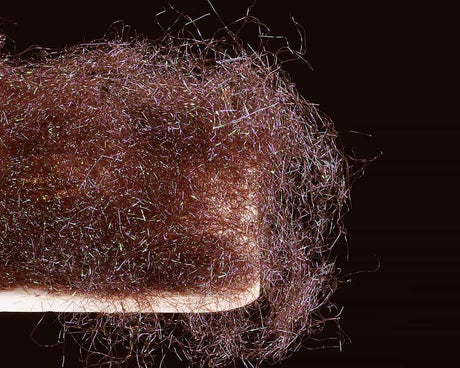
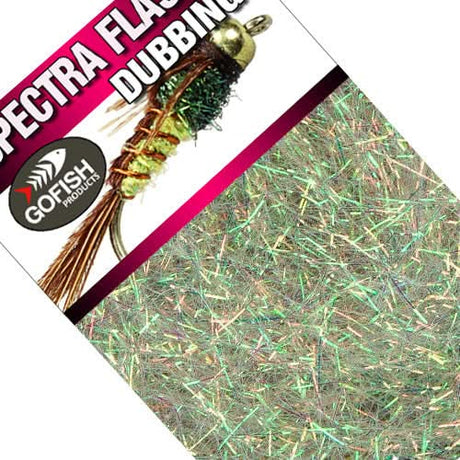
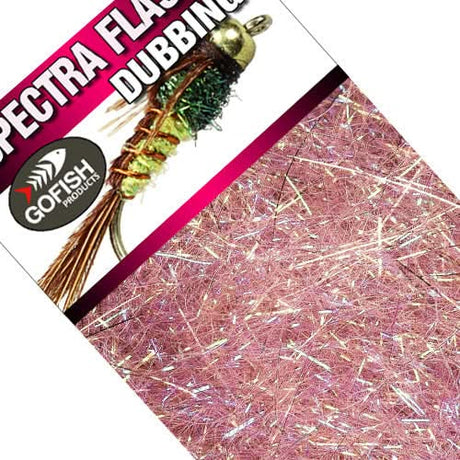
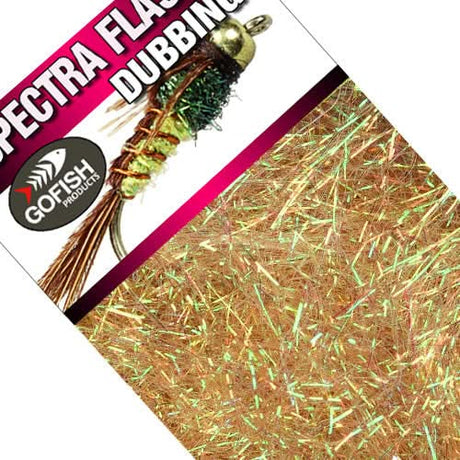
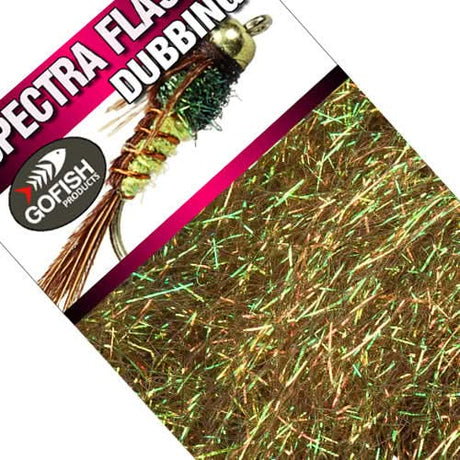
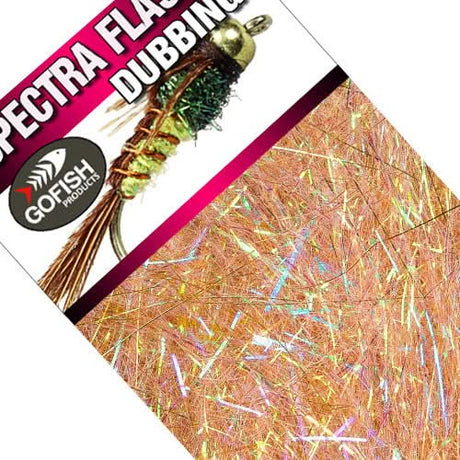
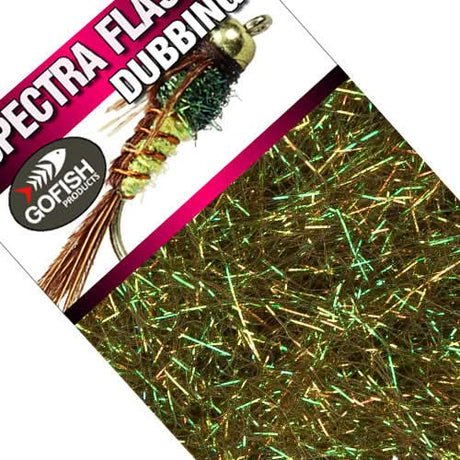
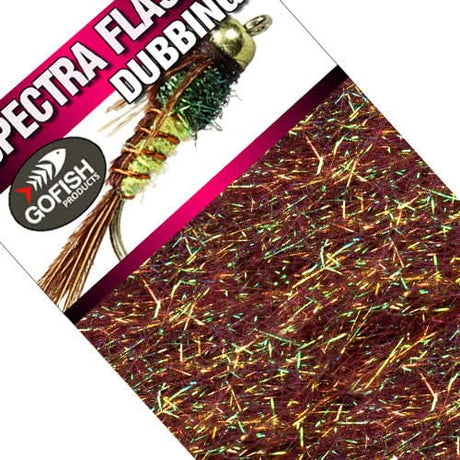
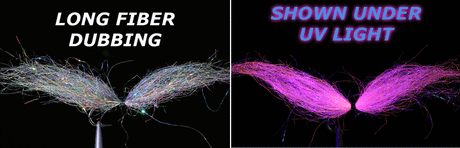
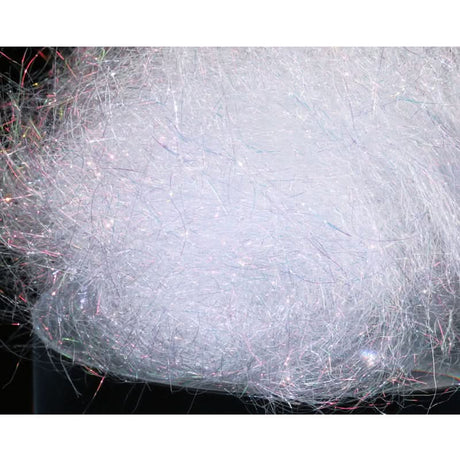
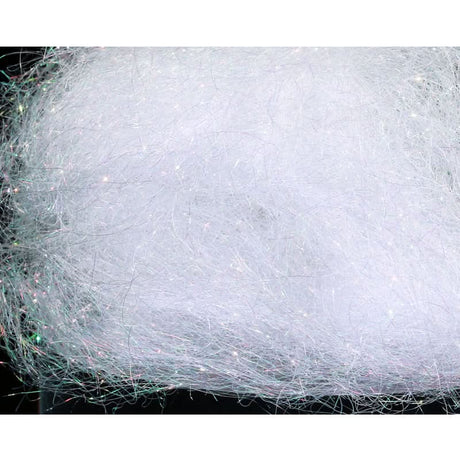
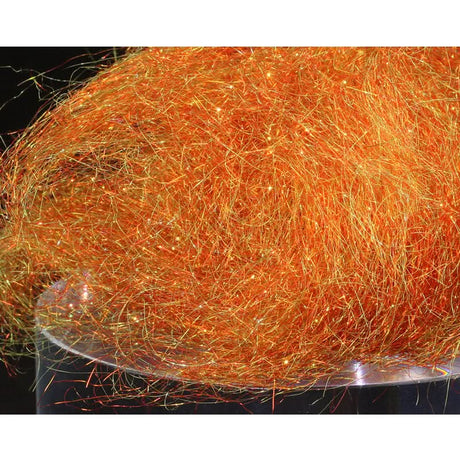
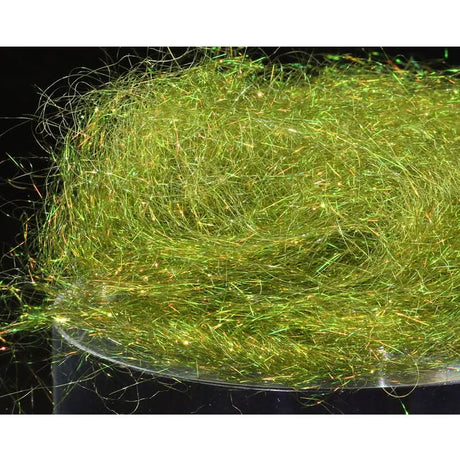
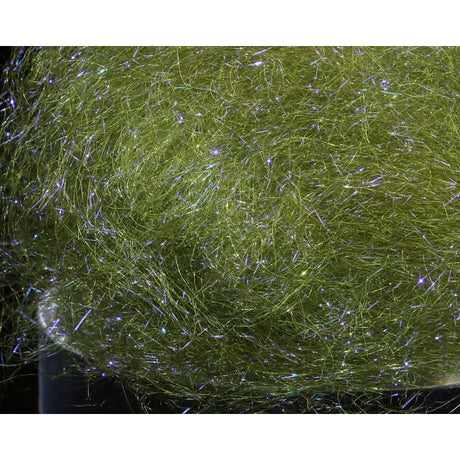
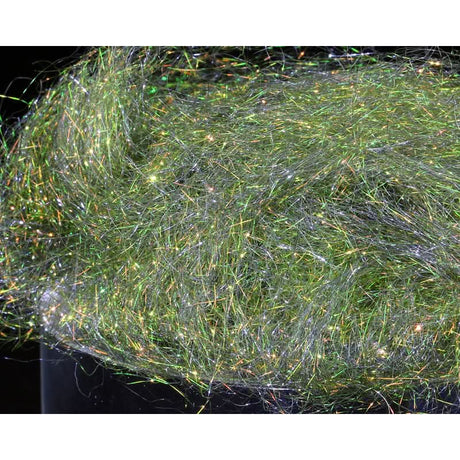
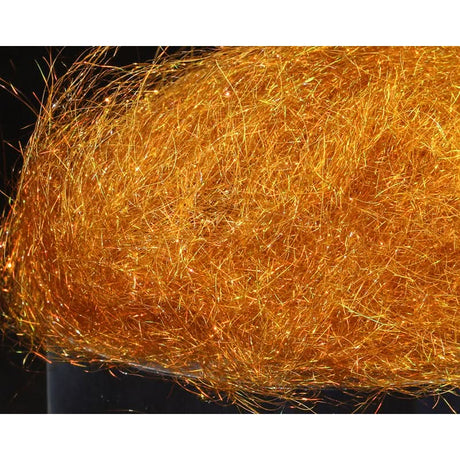
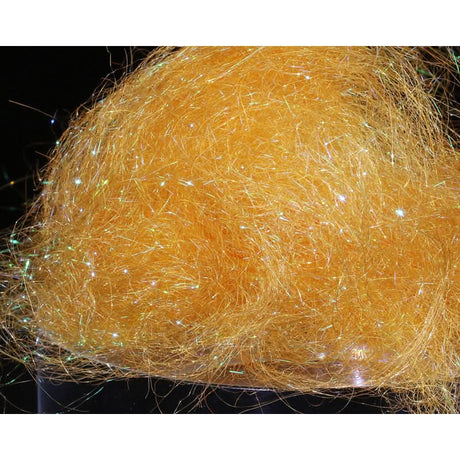
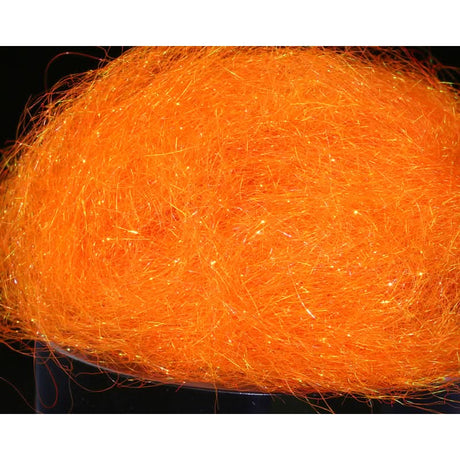
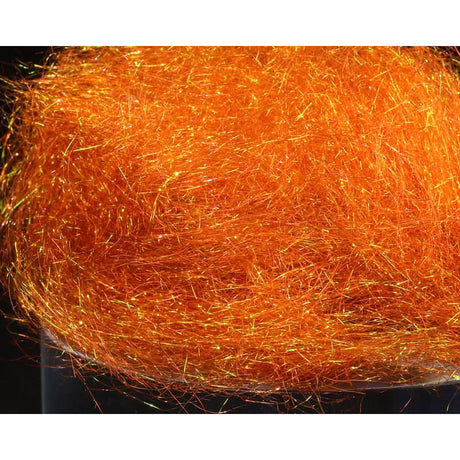
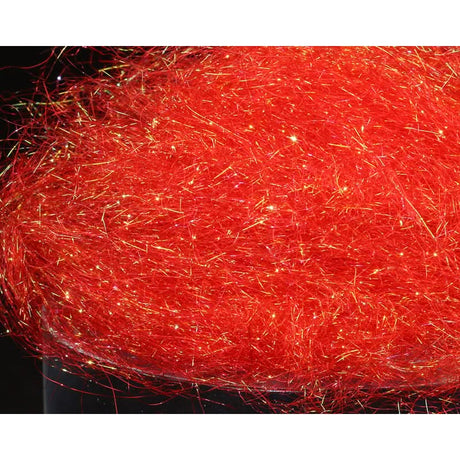
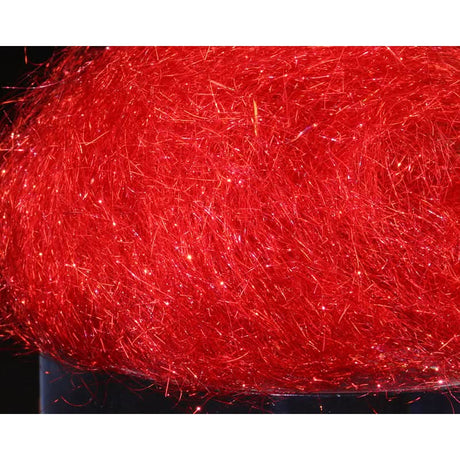
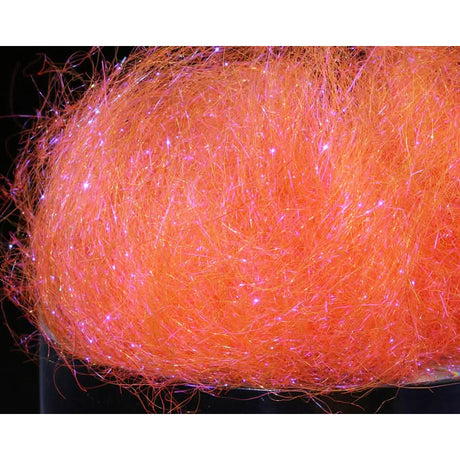
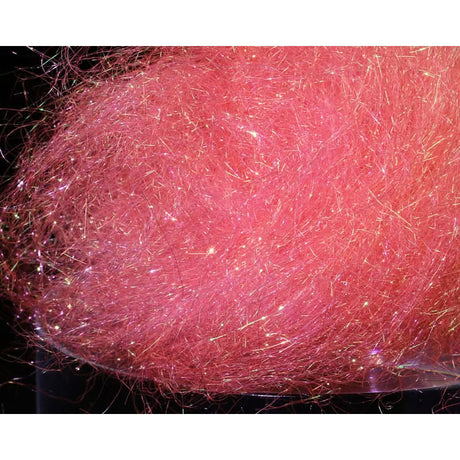
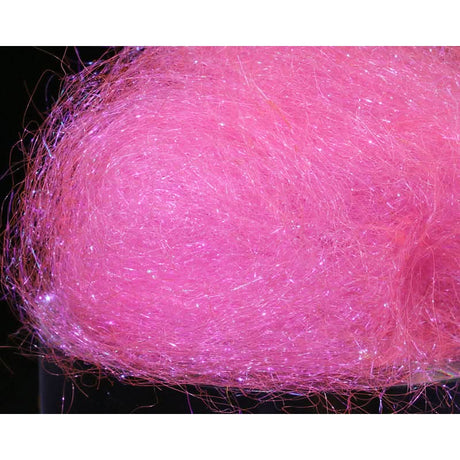
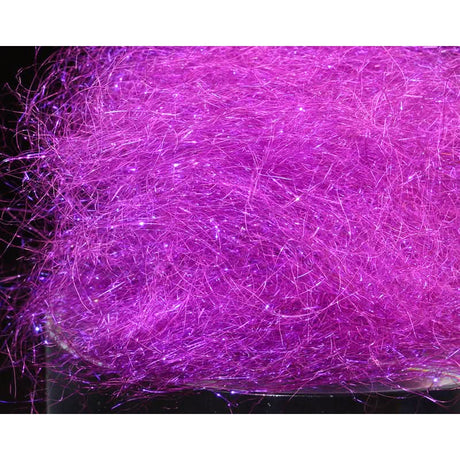
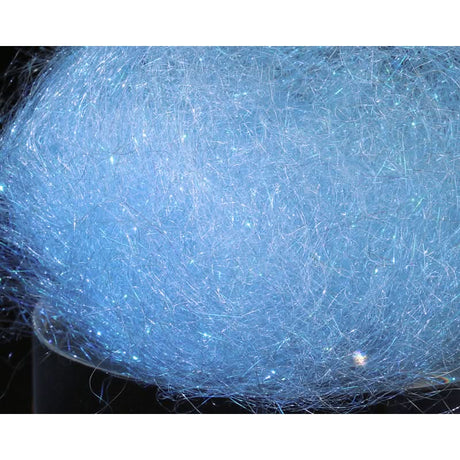
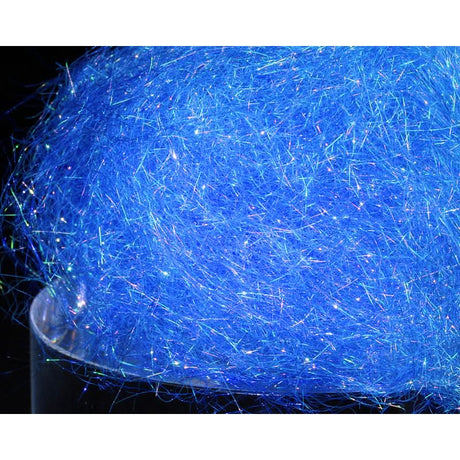
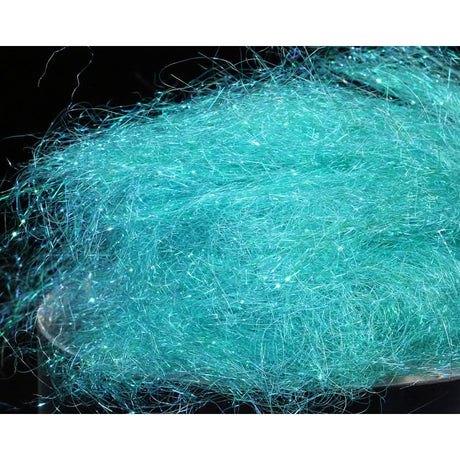
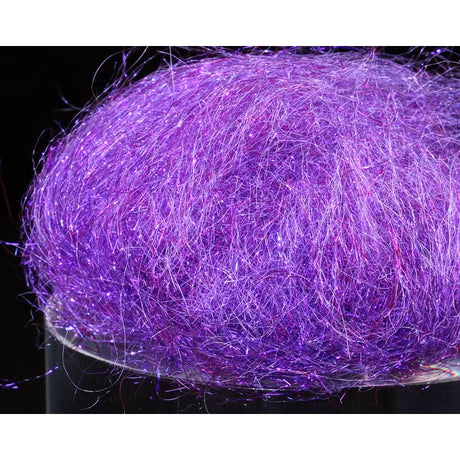
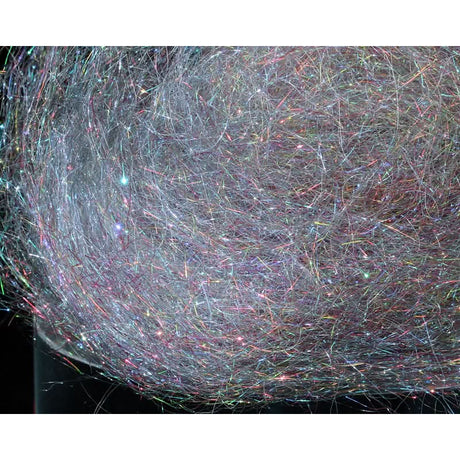
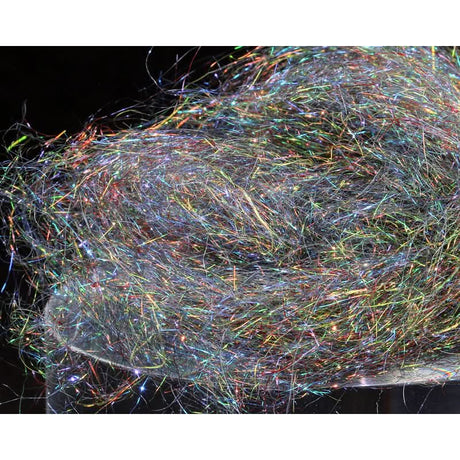
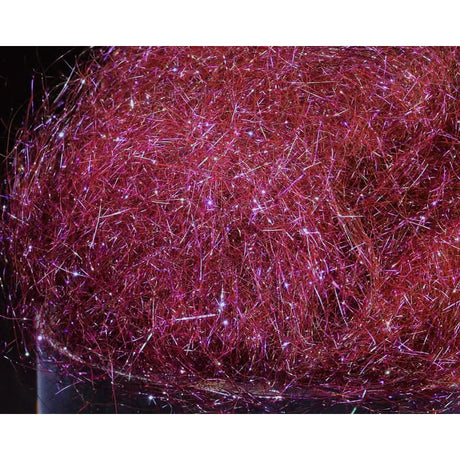
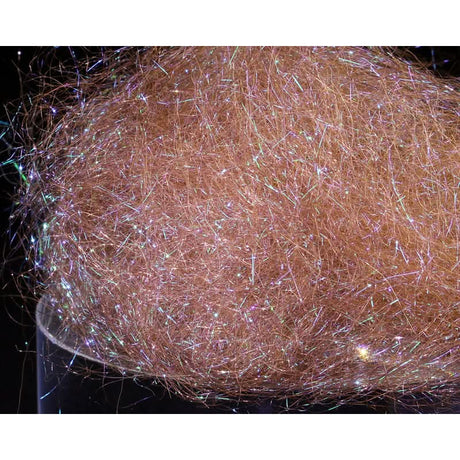
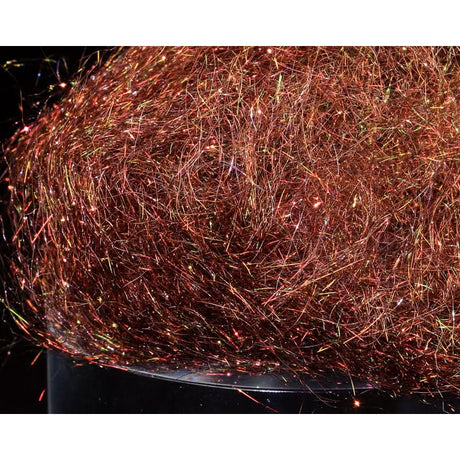
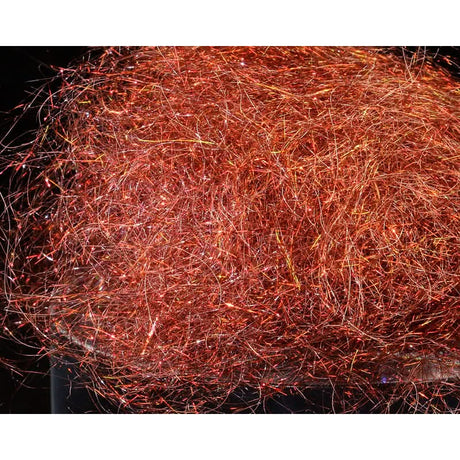
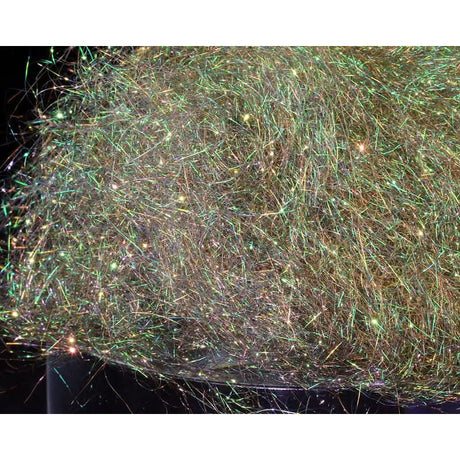
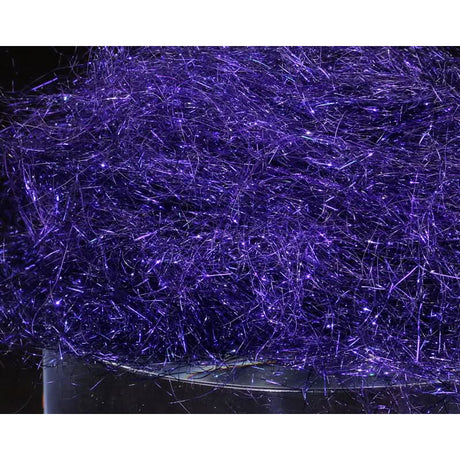
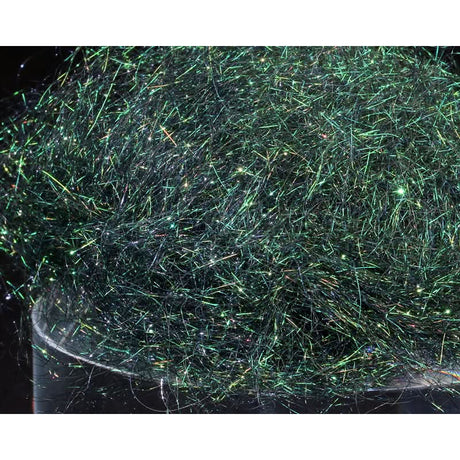
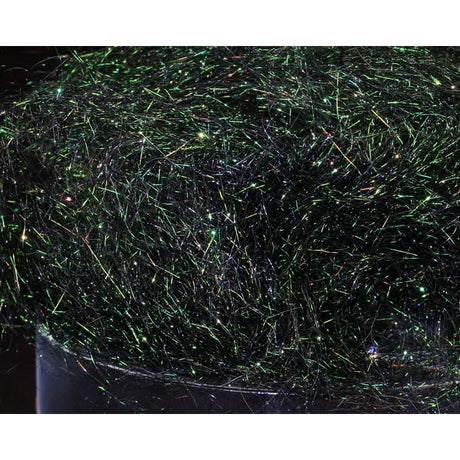
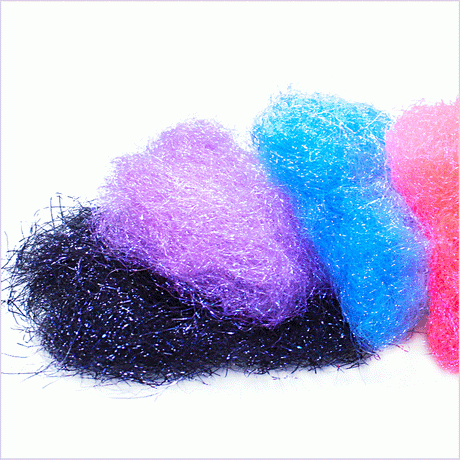
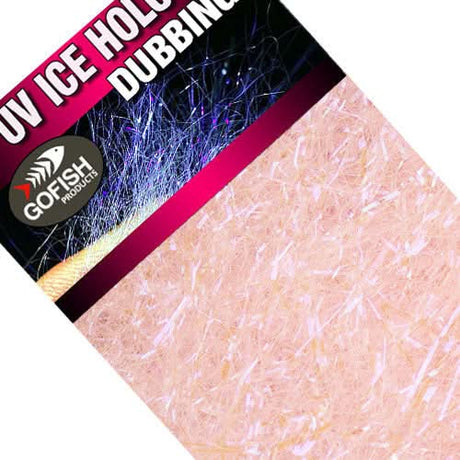
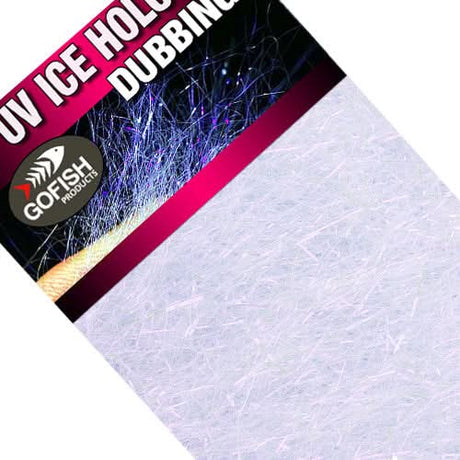
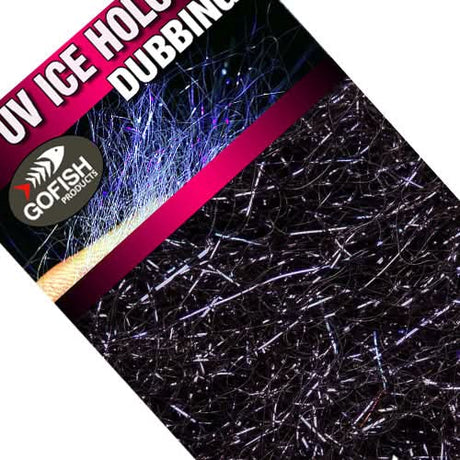
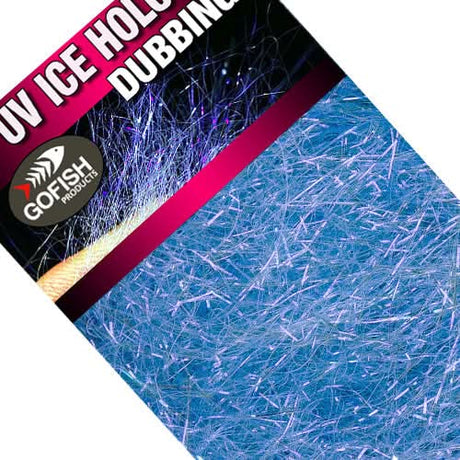
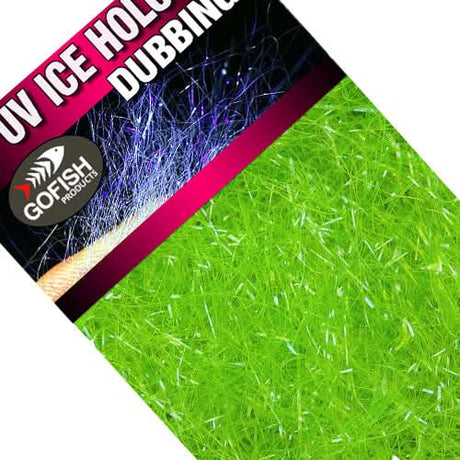
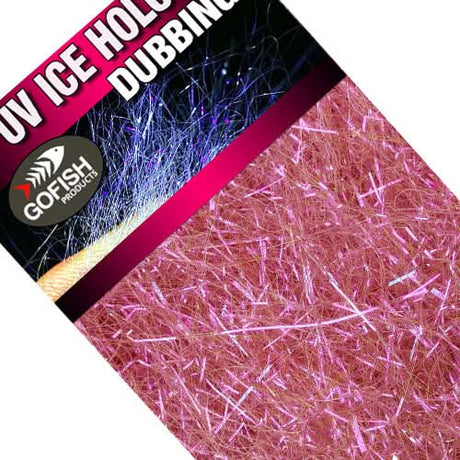
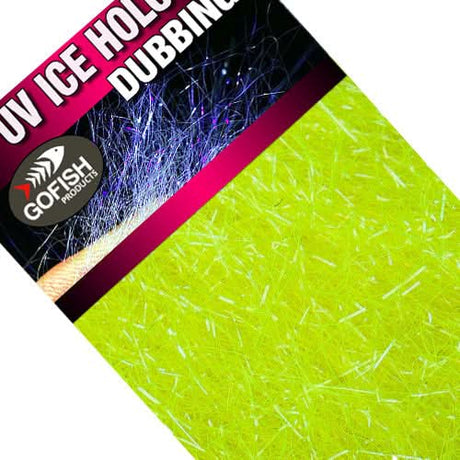
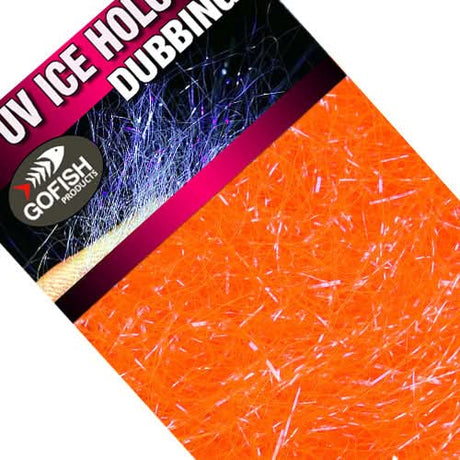
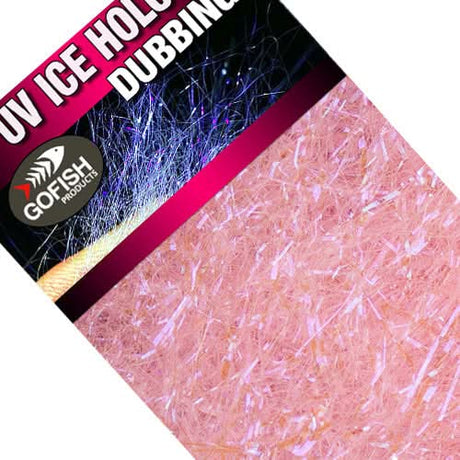
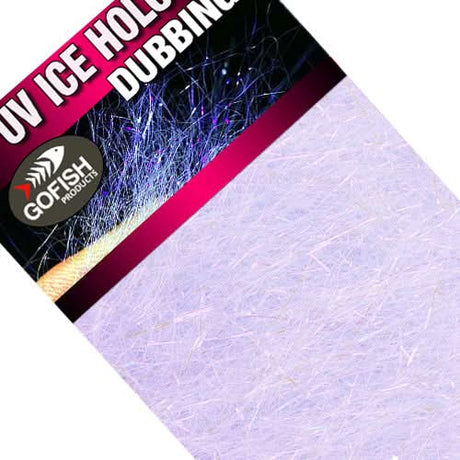
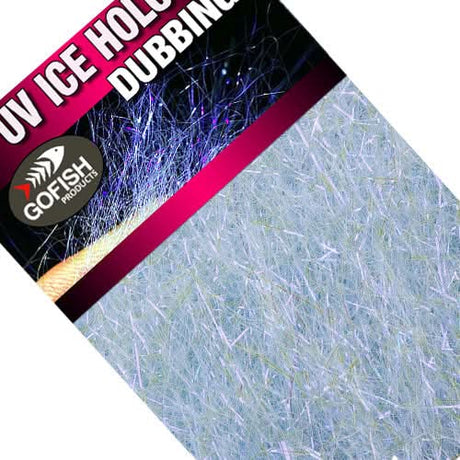
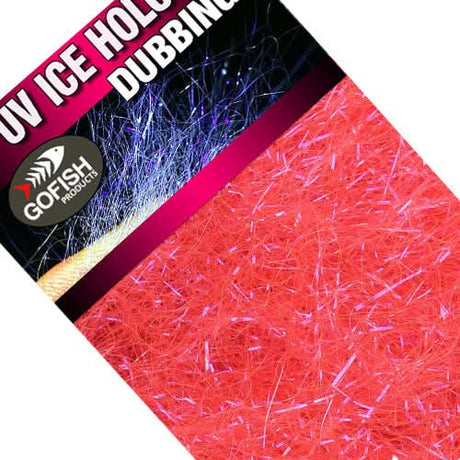
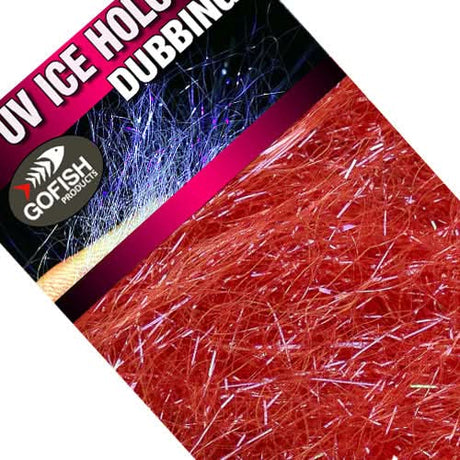
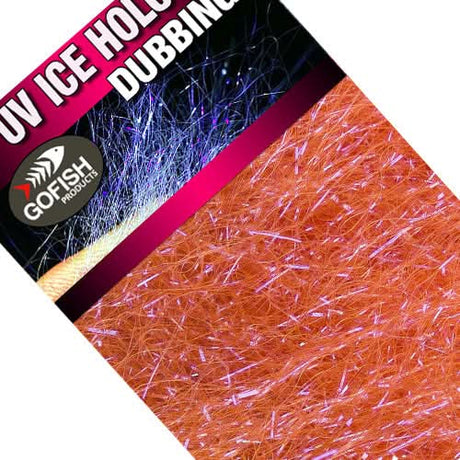
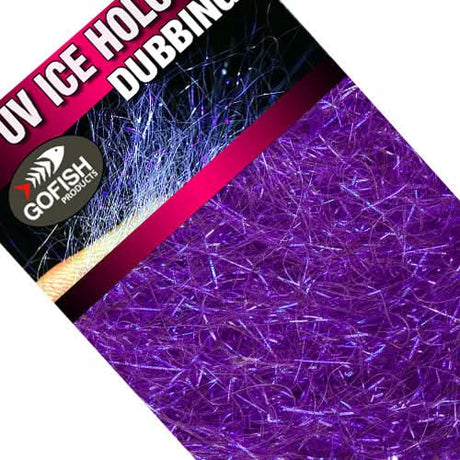
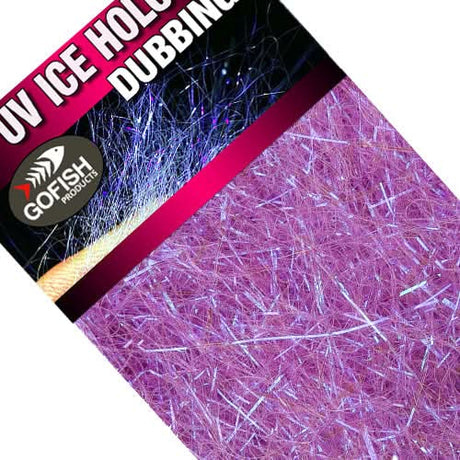
Fine UV Ice Dubbing, Super UV blends and other reflective dubbing materials allow you to introduce particular visual effects into a fly.
These materials can be used to create highlights or more pronounced contrasts, depending on the pattern. UV-related appearance does not, by itself, establish how a fly will float or perform when fishing.
Long-Fibre Dubbing for Streamer Patterns
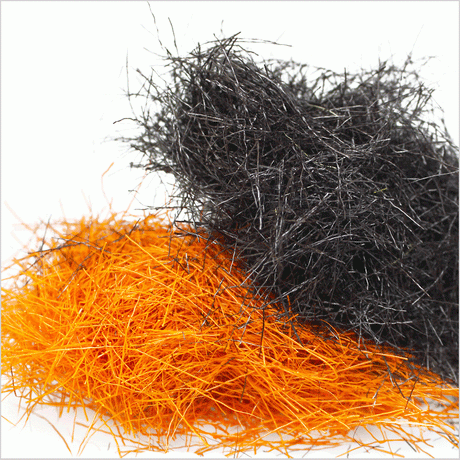
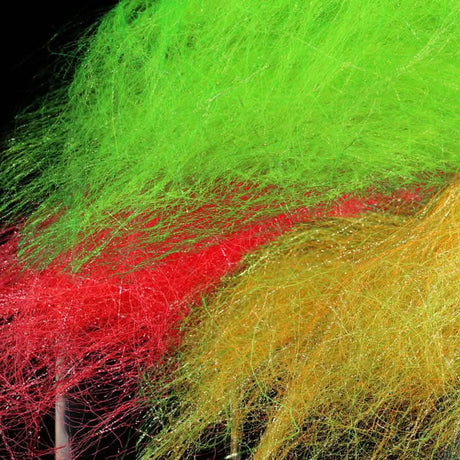
Some synthetic dubbings contain longer fibres intended for different applications, including wings and body sections on smaller streamers.
Consider whether you want a compact dubbed body or a longer fibre profile. Both can be useful, but they are not tied in exactly the same way.
Applying Dubbing and Using a Dubbing Loop
For a simple body, distribute a small amount of dubbing along the tying thread and twist it gently into a thin strand. The strand can then be wrapped around the hook.
A dubbing loop offers another method for handling fibres, especially when the pattern calls for additional volume or a different texture.
Dubbing wax can help certain fibres grip the thread. It should be used only as needed, rather than being treated as essential for every material.
Choosing Colours and Pack Formats
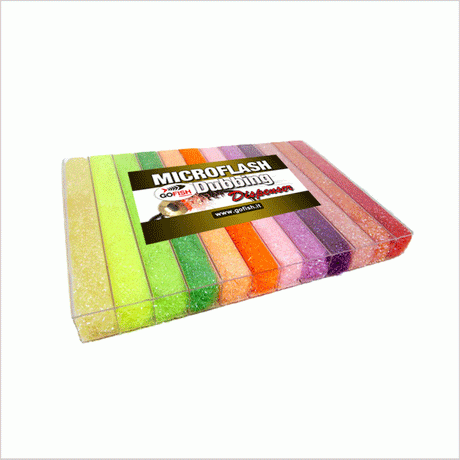
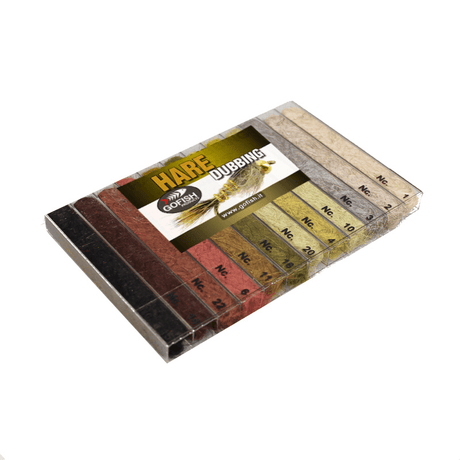
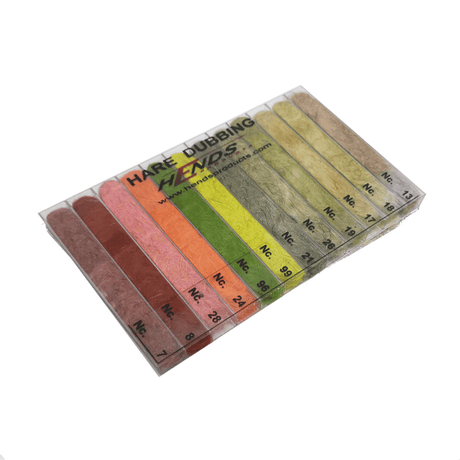
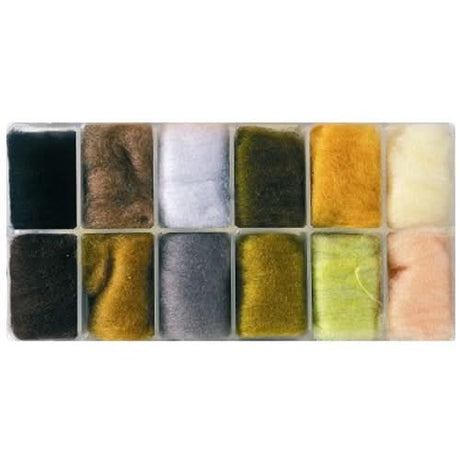
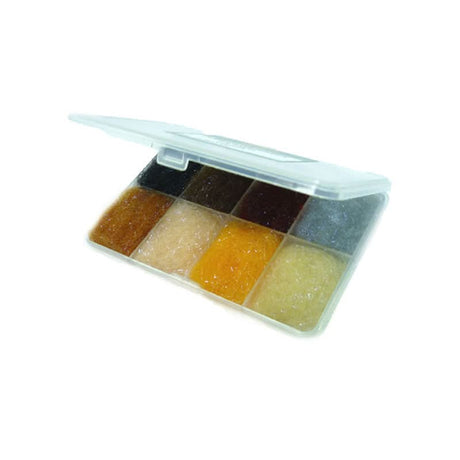
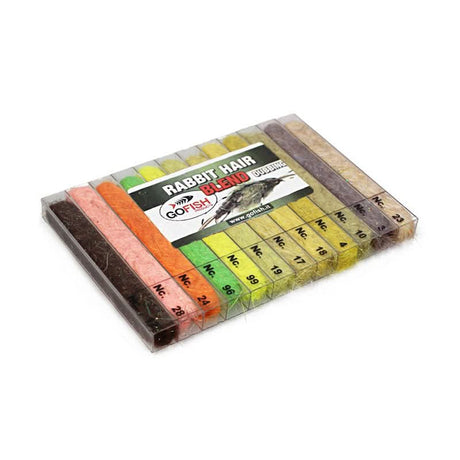
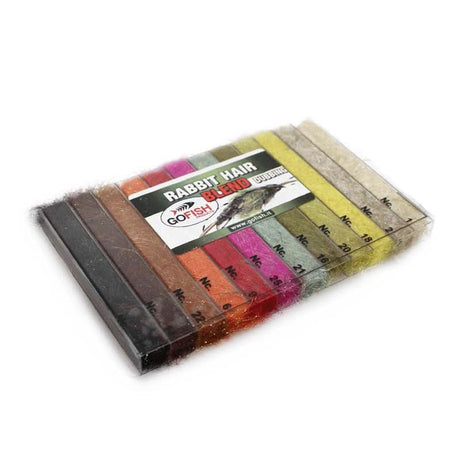
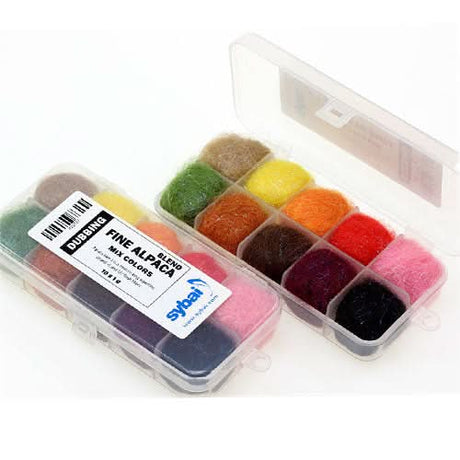
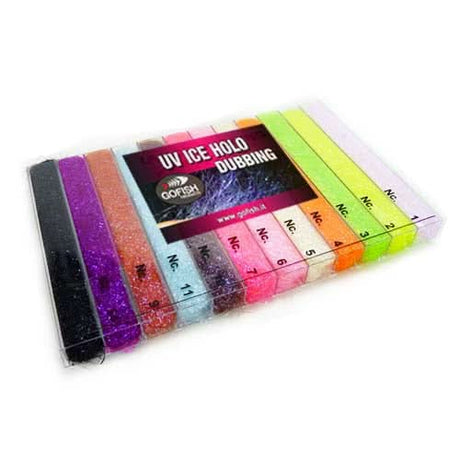
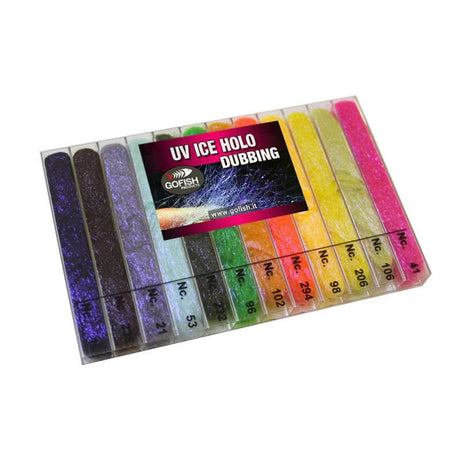
For a few favourite patterns, individual dubbing colours may be enough. If you regularly tie many different flies, a multi-colour dispenser can make it easier to keep a selection organised.
Choose fibre length and structure before building a large colour collection. For smooth, segmented or foam-based bodies, explore the separate fly body materials range.
Frequently Asked Questions About Fly Tying Dubbing
What is the difference between natural and synthetic dubbing?
The fibres vary in texture, length and appearance. Natural dubbing can create distinctive irregular bodies, while synthetic blends offer different structures and visual effects.
Which dubbing should I choose for small nymphs?
A fine dubbing that can be applied in small amounts is useful for compact nymph bodies. Coarser fibres may be preferable when a more textured thorax is intended.
Do I always need wax to apply dubbing?
No. Some fibres are easy to work directly onto the thread. Wax can help with other materials, but should be used sparingly.