







Barbed Fly Tying Hooks for Dry Flies, Nymphs and Streamers
Choosing the right hook is one of the most important decisions when tying an artificial fly. Hook size matters, but so do shank length, gap, bend and wire construction. Barbed fly tying hooks are available in different designs for dry flies, nymphs, wet flies and streamers, each offering particular proportions for the intended pattern.
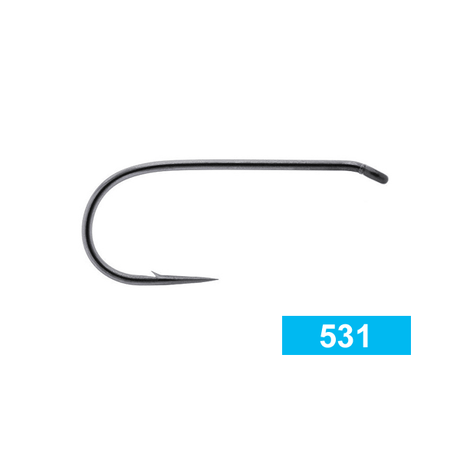
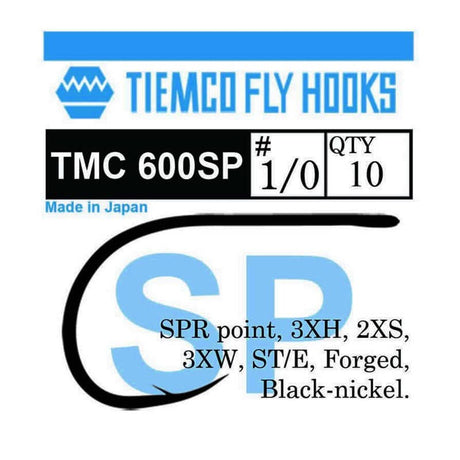
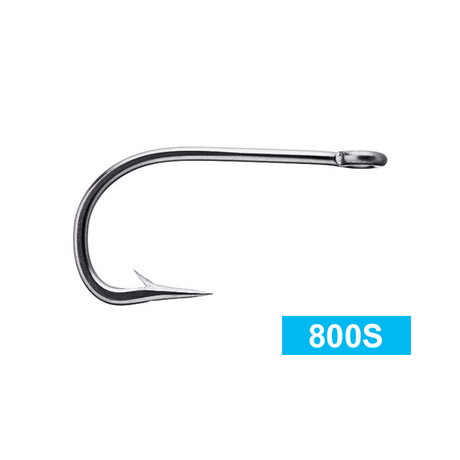
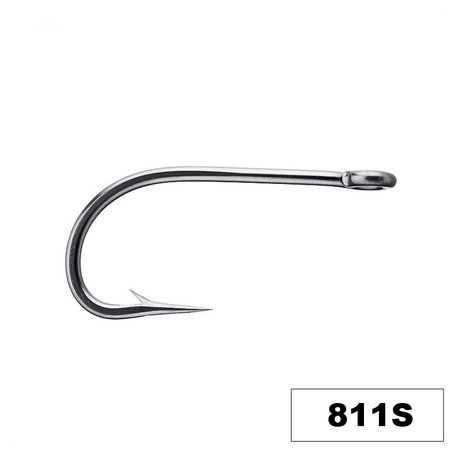
The selection includes traditional hook shapes, curved nymph hooks, jig designs and larger hooks for predator and saltwater fly patterns. Different ranges from Hends, Tiemco and other brands allow tiers to choose according to the type of fly they want to produce.
Barbed Hooks: What Is the Difference?
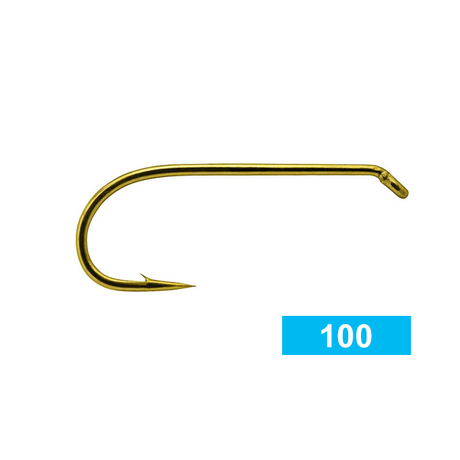
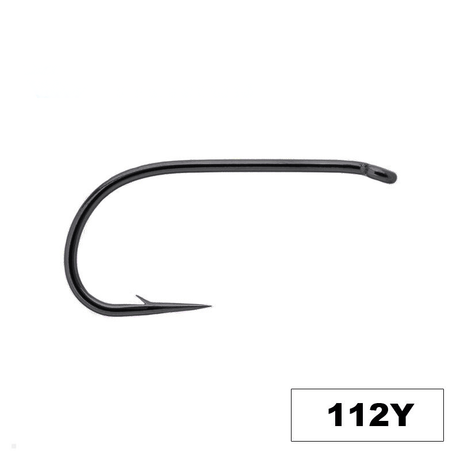
A barbed hook has a small projection behind the point, intended to resist the hook sliding back after penetration. It differs from a barbless hook, which does not have this feature.
The barb is only one part of the hook design. Hook shape, sharpness, penetration and steady line tension remain relevant to fishing performance. A barb should not be treated as a guarantee against losing fish.
Always check your fishery's rules before using barbed flies. Some waters require barbless hooks, regardless of the type of fly or target species.
Barbed Dry Fly Hooks
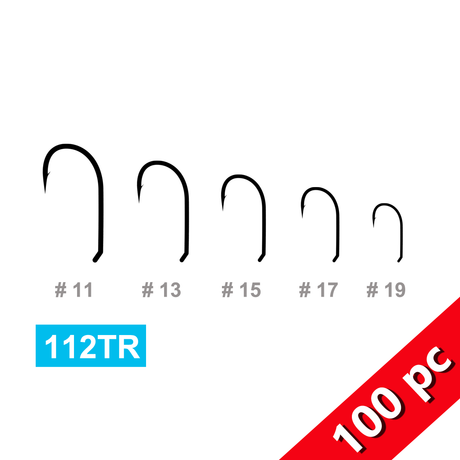
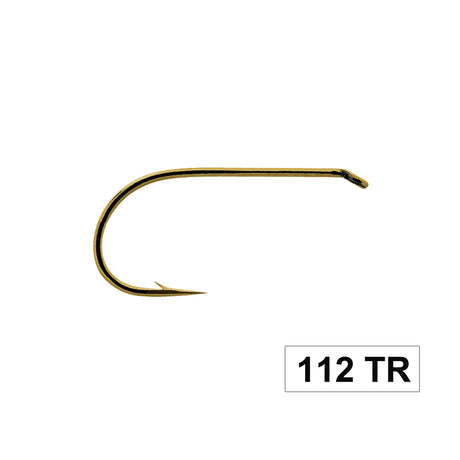
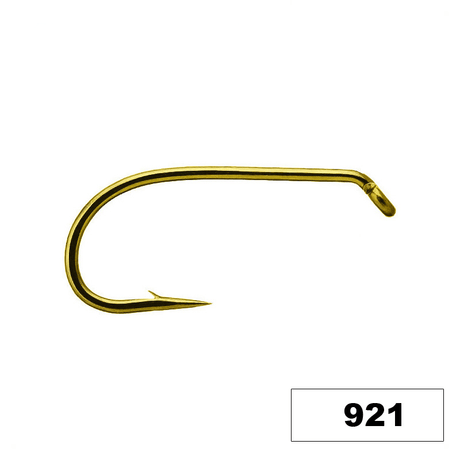
Dry fly hooks should be chosen with the intended imitation in mind. Body length, wing position and hackle arrangement all influence the proportions needed.
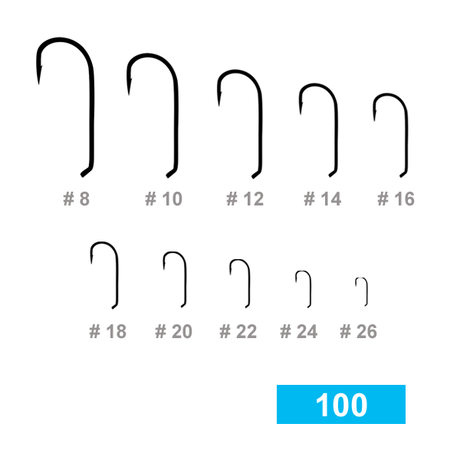
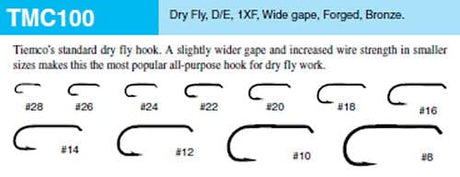
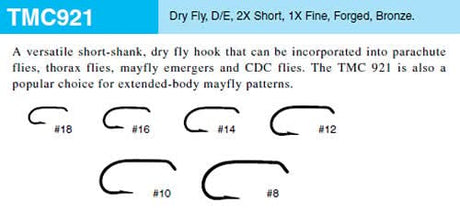
Compare shank length, hook gap and wire thickness as well as the nominal size. Small mayfly patterns and more substantial terrestrial flies often benefit from different hook geometries.
Nymph and Emerger Hook Shapes
Curved hooks for pupae and subsurface patterns
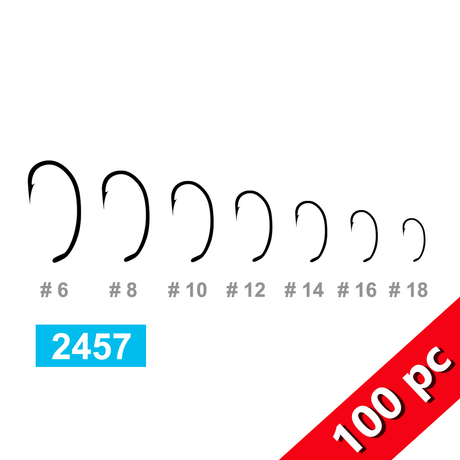
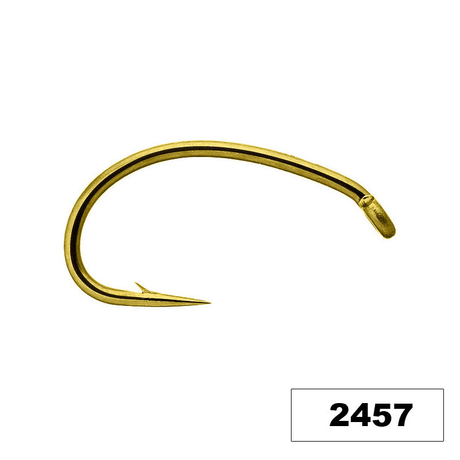
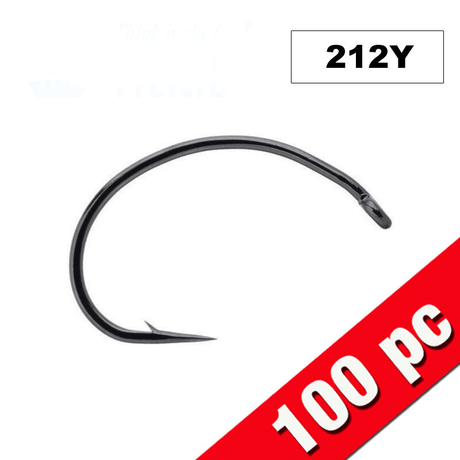
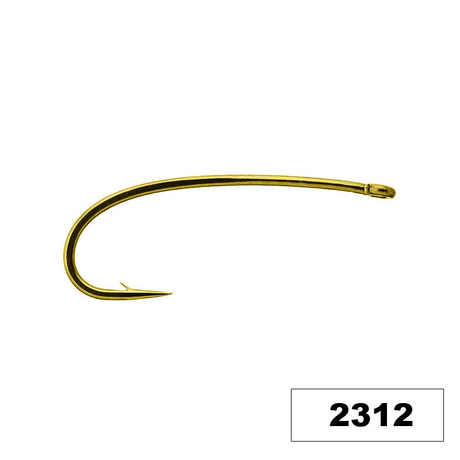
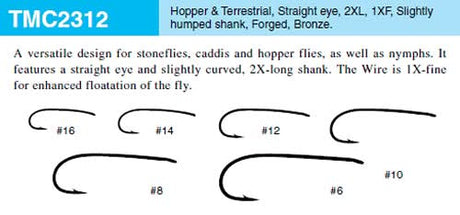
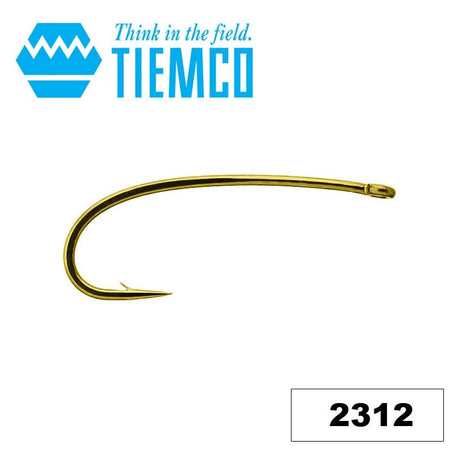
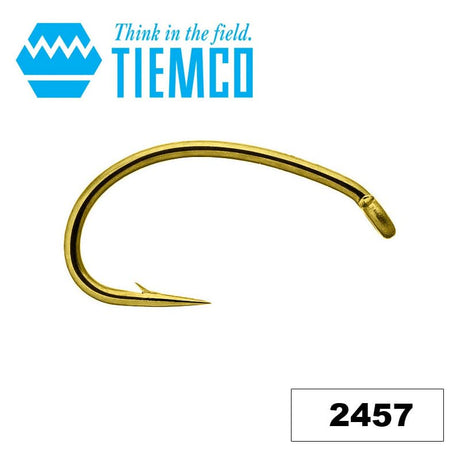
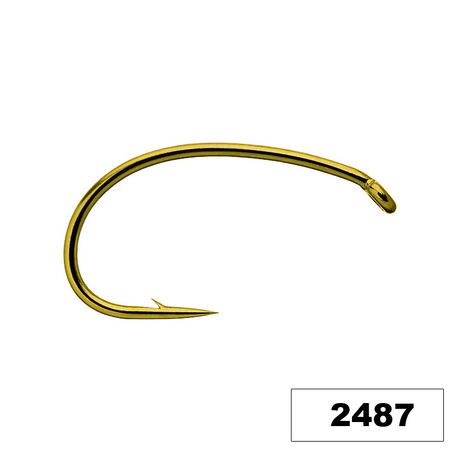
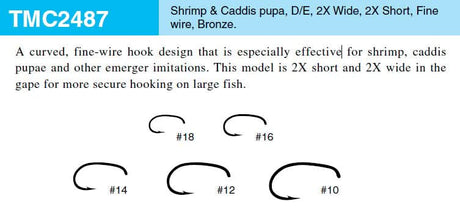
Curved hooks provide useful options for tying certain nymphs, emergers and pupa patterns. Their shape can help create a particular body profile, while straighter designs suit other constructions.
When tying Buzzers, caddis pupae or traditional nymphs, think about the shape of the completed imitation rather than choosing by hook size alone.
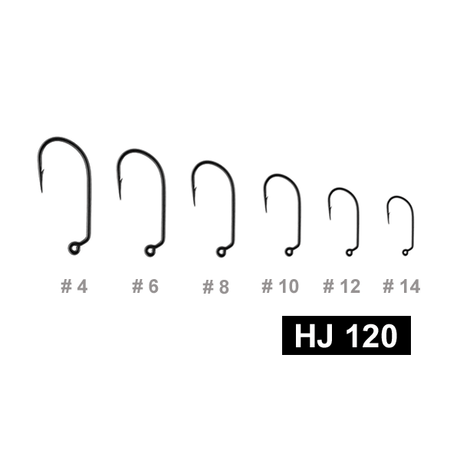
Barbed jig hooks for weighted flies
Jig hooks have a distinctive geometry, particularly around the eye. They can be used for selected weighted nymph constructions.
If you intend to fit a bead, check the compatibility of the bead opening and hook shape. Bead size, hook gap and the amount of tying material should work together.
Hooks for Streamers and Predator Flies
Streamer patterns can require a different hook construction from smaller insect imitations. For baitfish profiles, consider shank length, gap and the space needed for the body materials.
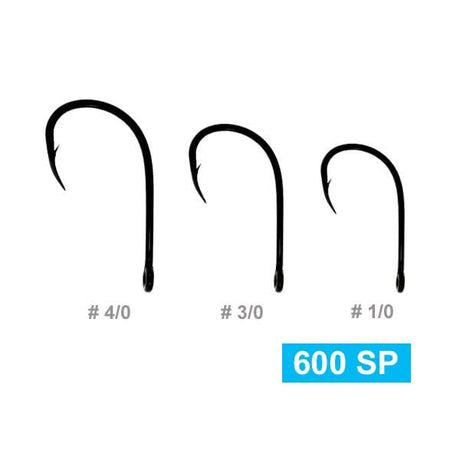
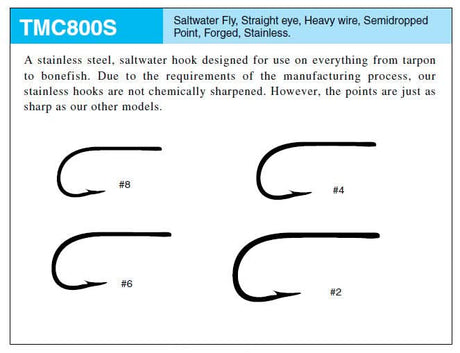
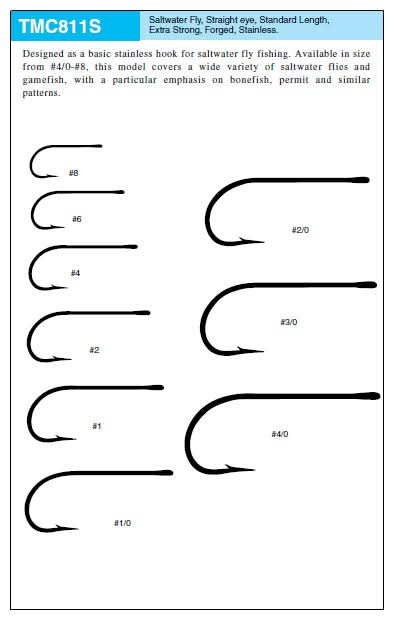
The range includes streamer hooks for different fly sizes, including larger predator patterns and selected saltwater designs. Not all streamer hooks have the same intended purpose, so match the hook to your planned fly rather than simply choosing the largest available size.
Comparing Hook Sizes, Wire and Pack Quantities
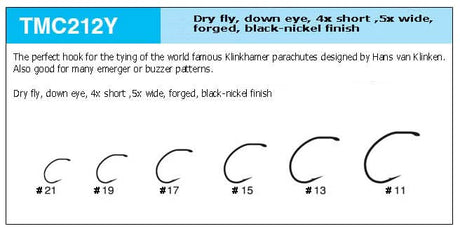
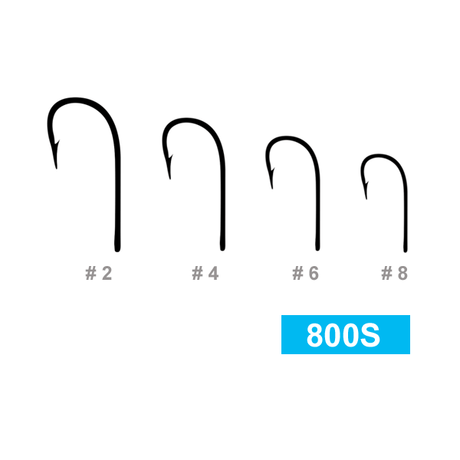
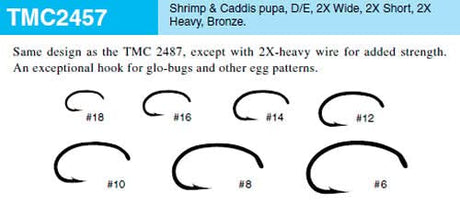
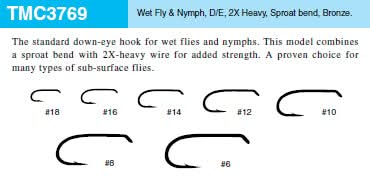
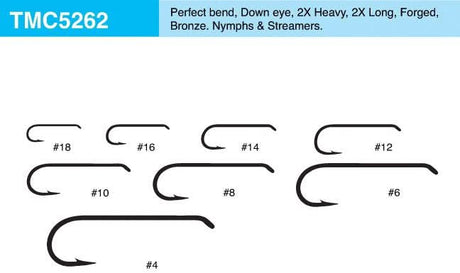
Hooks marked with the same nominal size can differ between designs and ranges. Compare the actual proportions, including the length of the shank and the width of the gap.
Wire construction and eye configuration also deserve attention, particularly when tying weighted flies or larger streamers. Pack quantities vary, so check the selected product when stocking your tying bench.
If you need a hook without a barb, explore the barbless fly tying hooks. For thread, feathers, dubbing and other supplies, browse our fly tying materials.
Frequently Asked Questions About Barbed Fly Hooks
What is the difference between barbed and barbless fly hooks?
A barbed hook has a projection behind the point, while a barbless hook does not. Both types come in different shapes for dry flies, nymphs and streamers. Fishery regulations may restrict which type you can use.
Can I use a dry fly hook for tying streamers?
Not every dry fly hook is suitable for a streamer. Streamer designs may require different shank lengths, gaps or wire constructions to accommodate their body materials and intended use.
Does hook size tell me how strong the hook is?
No. The nominal size does not fully describe wire construction or hook geometry. Compare the particular range and its stated characteristics.