



 Sold out
 Sold out
 Sold out

 Sold out


 Sold out
 Sold out


 Sold out


Dry Flies for Fly Fishing: Matching the Hatch and the Water
There is something special about watching a trout rise to take a dry fly. Getting the most from surface fishing, however, involves more than choosing an attractive pattern. The fly should match the insects and feeding behaviour you are observing, while remaining suitable for the conditions on the water.
Our dry fly fishing selection includes mayfly imitations, caddis patterns, parachute flies, CDC designs and terrestrial flies. From subtle patterns for calmer water to more visible options for broken currents, there are different constructions to suit a range of fishing situations.
Mayfly, Caddis and Terrestrial Dry Fly Patterns
Mayflies, spinners and parachute flies
Mayfly patterns are a natural starting point when fish are feeding on insects at the surface. Different designs represent different silhouettes and stages of insect activity.
Parachute flies, dun patterns and spinners offer options for adjusting how an artificial fly sits in the surface film. Comparing fly size and profile with the insects present is often more useful than relying on a pattern name alone.
Caddis flies and terrestrial imitations
Caddis-style dry flies, including Sedge patterns, offer a different silhouette from traditional mayfly imitations. Stimulator designs provide additional choices, particularly when a more substantial pattern is desirable.
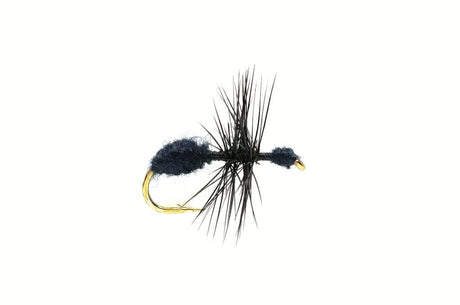
Terrestrial imitations such as ants and beetles are another important part of the range. These patterns can be considered when fish are feeding on insects that have entered the water from surrounding vegetation.
CDC, Hackle and Foam Dry Flies
Construction affects how a dry fly looks and behaves on the water. CDC dry flies offer delicate profiles, while traditional hackled flies and foam-based designs provide different ways of supporting an artificial fly at the surface.
Highly visible patterns can make tracking your fly easier in uneven light or turbulent water. This is worth considering alongside the appearance of the fly from the fish's perspective.
Different materials also require different care. Check the condition and flotation of your fly after it becomes wet or after catching a fish.
Choosing Dry Flies by Size, Colour and Water Conditions
Start with the approximate size of the insect you want to imitate. Then consider body shape, wing profile, colour and the way the fly will be presented.
A compact, understated fly can be appropriate in gentle flows, whereas a more buoyant and visible imitation may be easier to manage in faster currents. Neither approach suits every situation.
Rather than carrying numerous near-identical patterns, aim for a practical range of different sizes and constructions.
Putting Together a Useful Dry Fly Box
Mayfly patterns, caddis imitations and a selection of terrestrial flies provide a broad starting point for dry fly fishing. Having several hook sizes and a mixture of subtle and easy-to-see patterns allows you to adapt more readily when conditions change.
If you prefer fishing without a barb or need to meet specific fishery rules, explore the dedicated barbless dry fly collection.
Frequently Asked Questions About Dry Flies
When should I fish with a dry fly?
Dry flies are particularly useful when fish are feeding at or near the surface. Look for rising fish and observe the insects present before deciding which pattern to use.
Which dry flies are suitable for fast water?
Visible, buoyant patterns such as certain Stimulator, Sedge and foam designs can be practical in broken currents. Choose a size and profile that also suit the feeding conditions.