










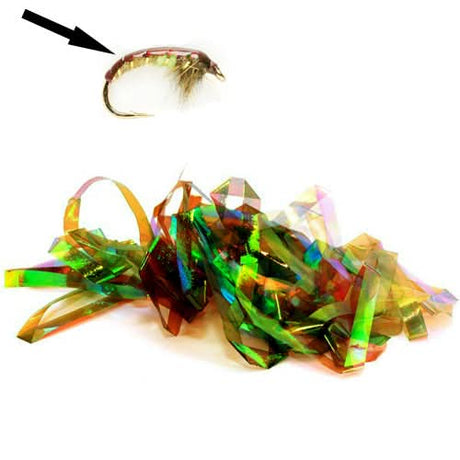
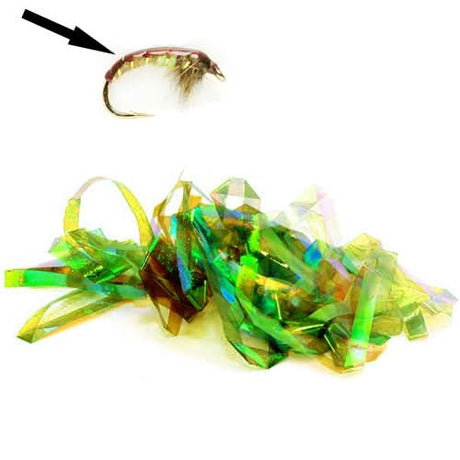
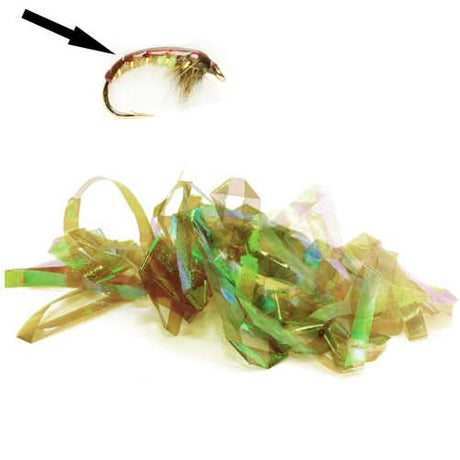
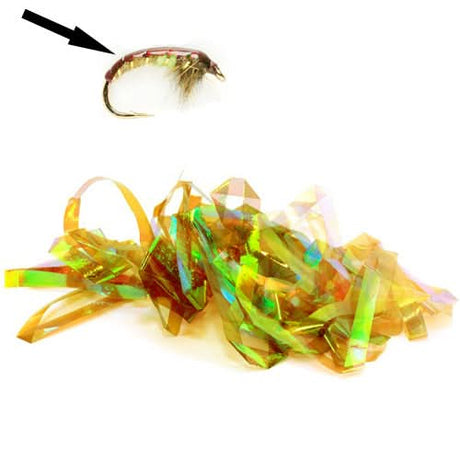




Fly Tying Body Materials for Nymphs, Dry Flies and Streamers
The body of an artificial fly defines much of its shape and appearance. A slim midge nymph needs a different construction from a foam beetle or a substantial streamer. Choosing suitable fly tying body materials allows you to control segmentation, texture and proportions while keeping the pattern appropriate for its hook.
The selection includes natural and synthetic quills, Body Glass, latex, stretch materials, Fly Foam, chenille and specialised components for particular fly patterns. Each offers different tying possibilities, making it worth choosing according to the imitation you want to create.
Natural and Synthetic Quills for Segmented Bodies
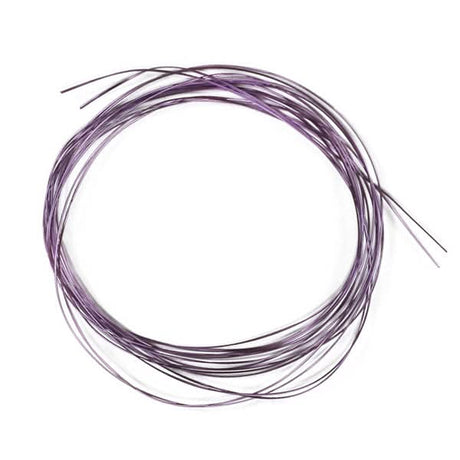
Quills are useful when you want a slim, visibly segmented fly body. Natural stripped peacock quills and synthetic alternatives offer different materials for similar tying tasks.
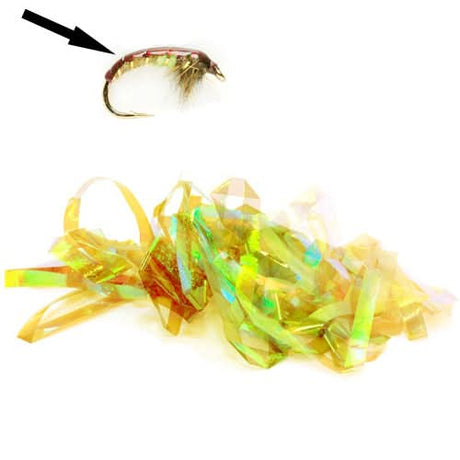
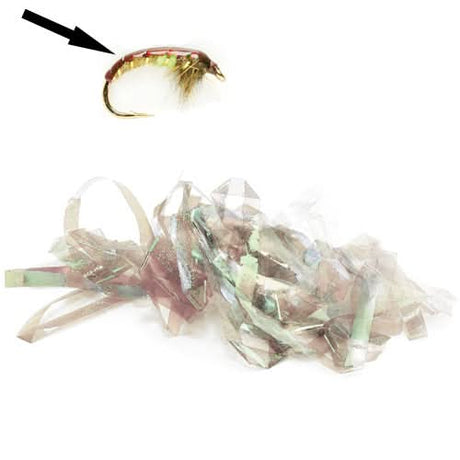
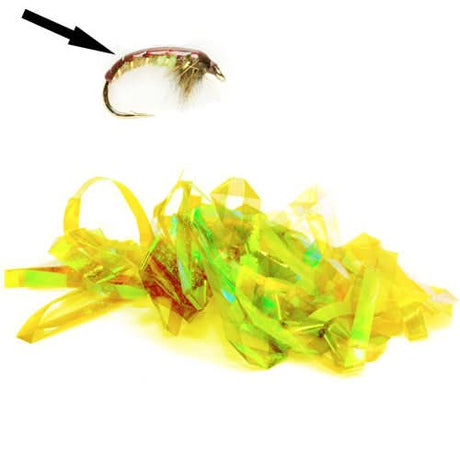
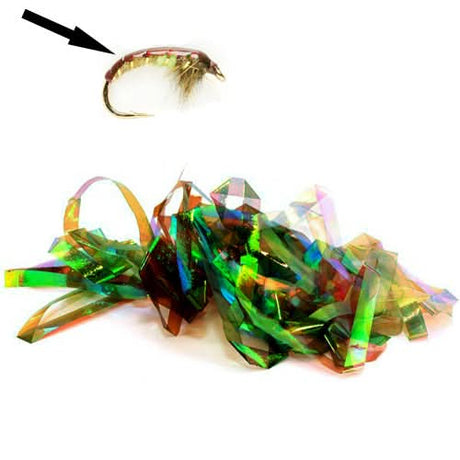
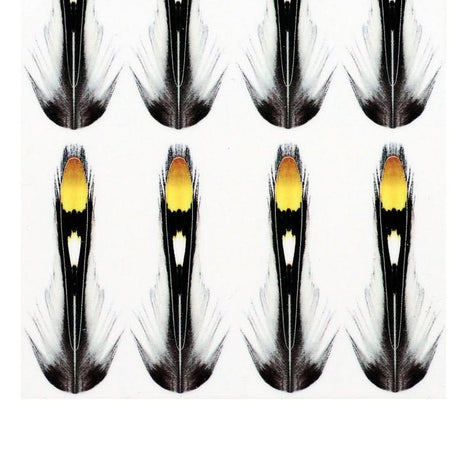
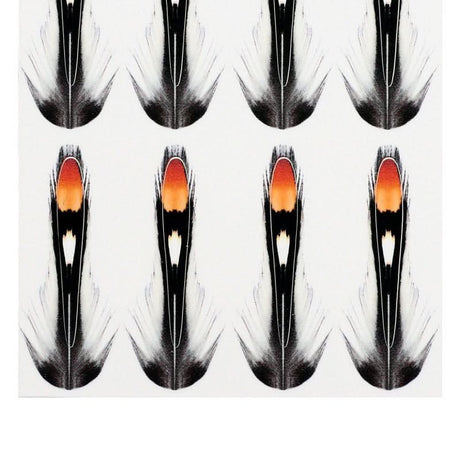
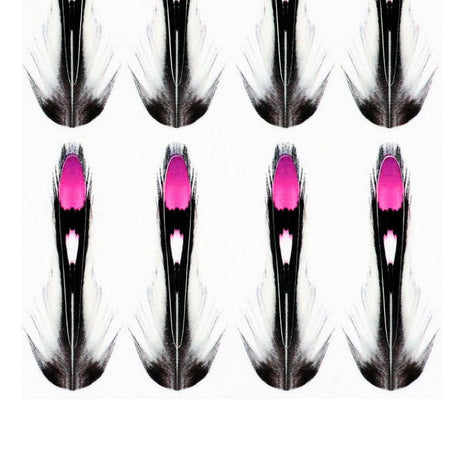
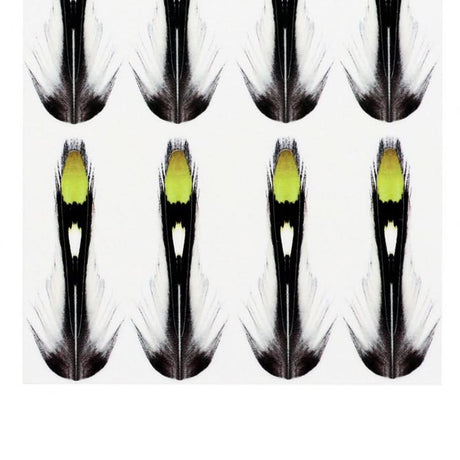
Adhesive quill strips provide another option, allowing a strip to be positioned on the hook before wrapping it around the body.
Choose the width carefully, especially for small Buzzers, nymphs and dry flies. The aim is to create clear body proportions without unnecessary bulk.
Body Glass and Stretch Materials for Subsurface Patterns
Body Glass and half-round construction
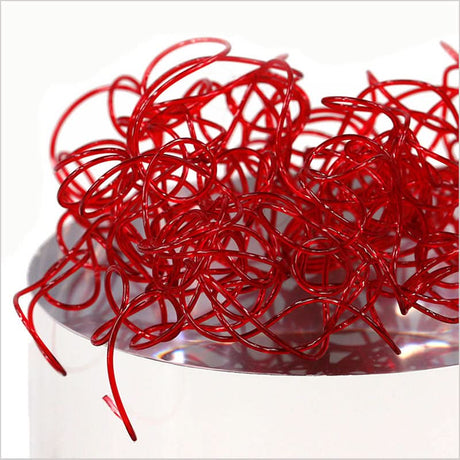
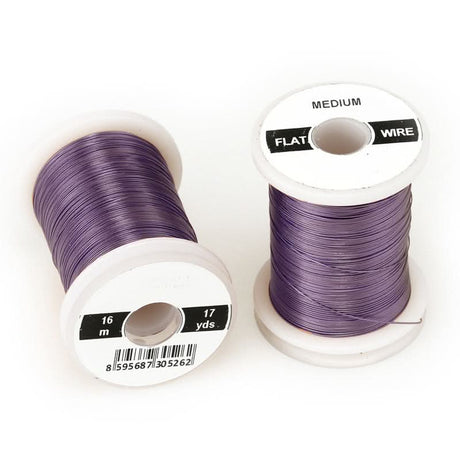
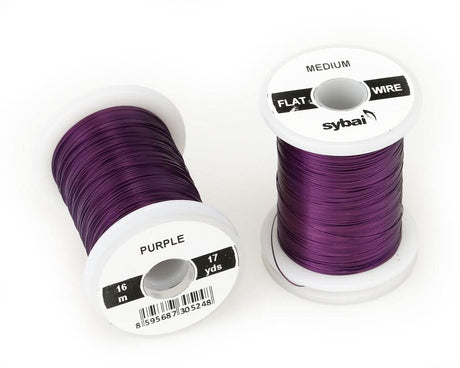
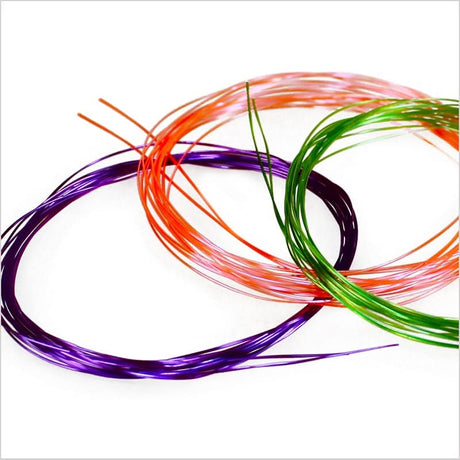
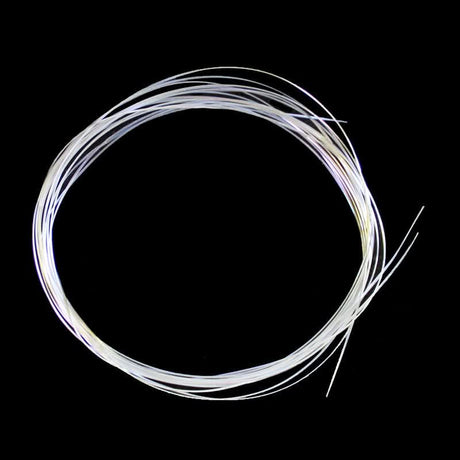
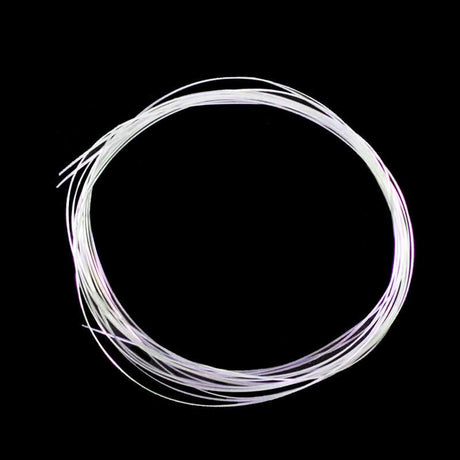
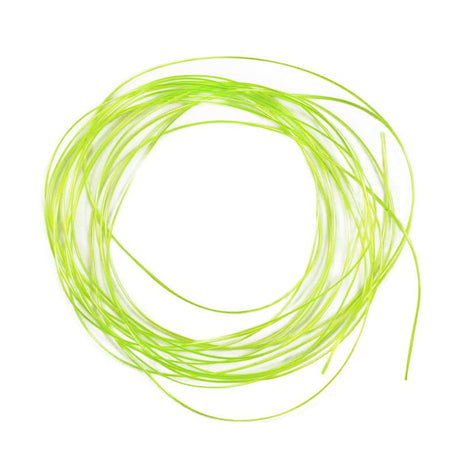
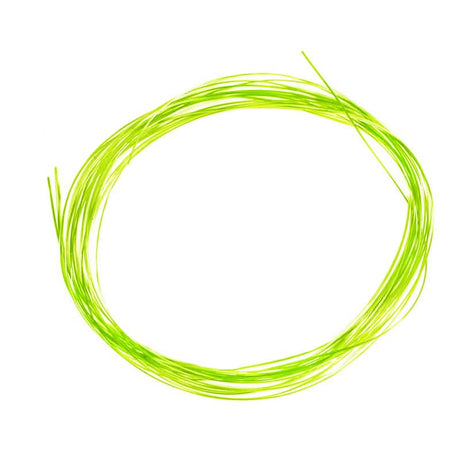
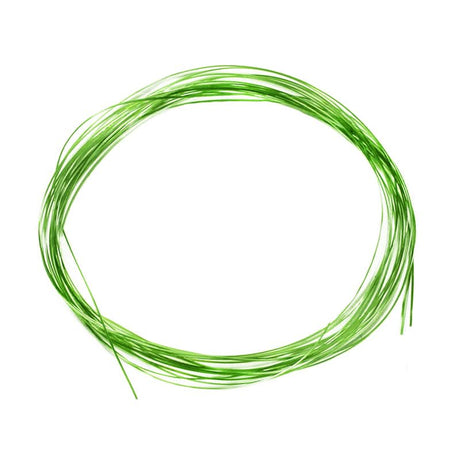
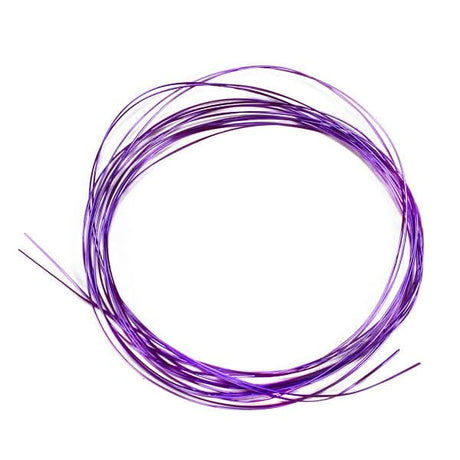
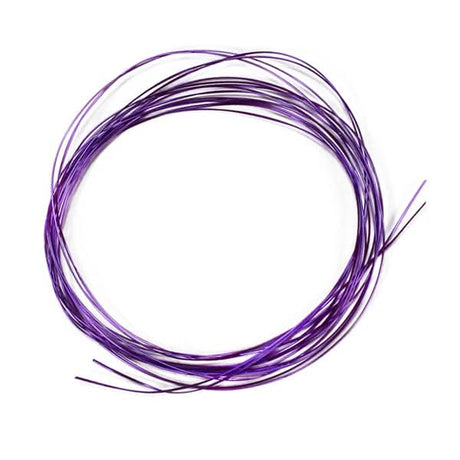
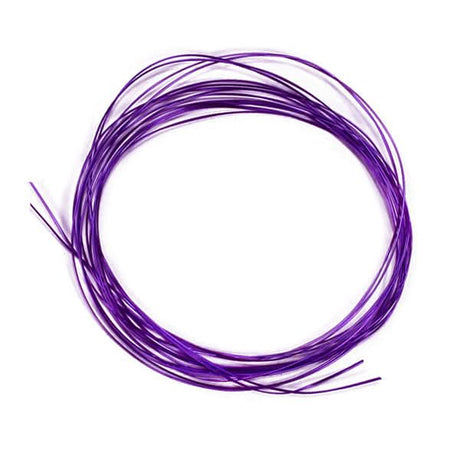
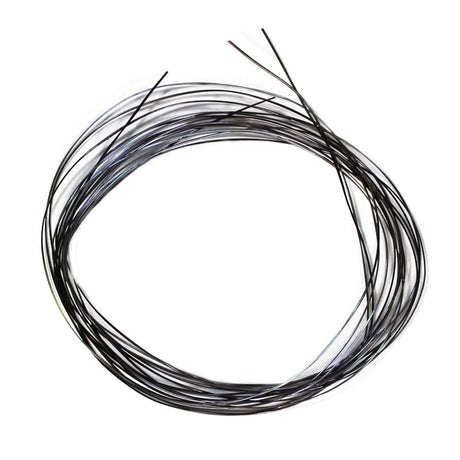
Body Glass provides a flexible material for nymphs, larva imitations and other body constructions. Half-round versions create a more pronounced surface profile than flat thread.
Fine sizes are useful when tying compact patterns. Match the material diameter to the hook and the intended body size.
Latex and Body Stretch
Latex sheets, Body Stretch and related materials offer different ways to create body coverings and back sections. They are particularly relevant to certain Czech Nymph and freshwater shrimp-style patterns.
Think about whether the material will be wrapped around the hook or placed over part of the body. Width and flexibility influence the result.
Foam for Terrestrial and Buoyant Flies
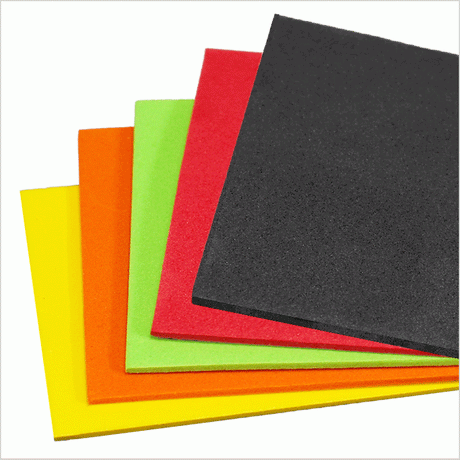
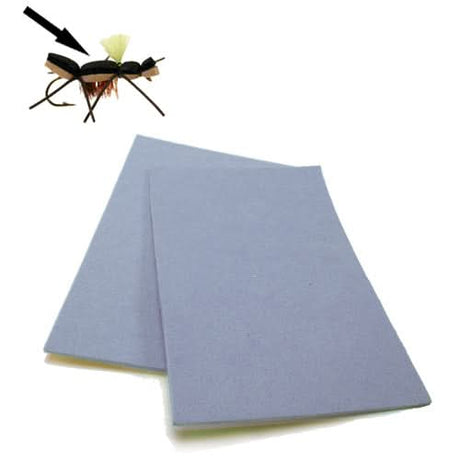
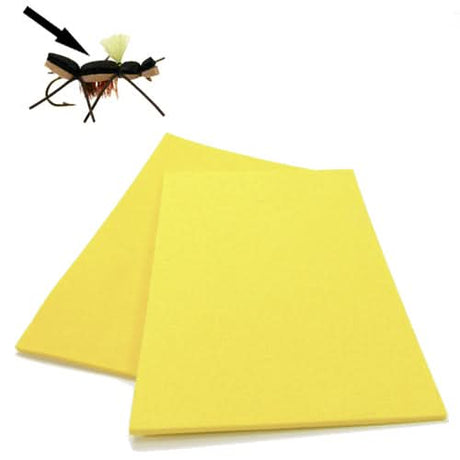
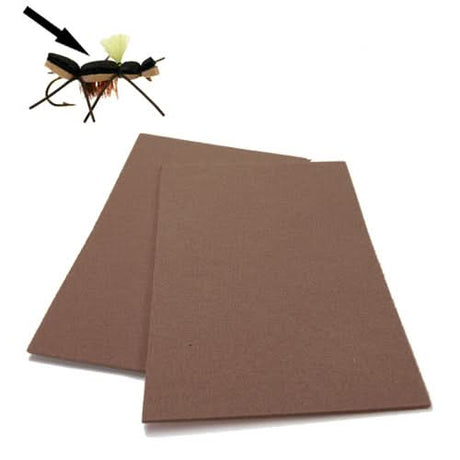
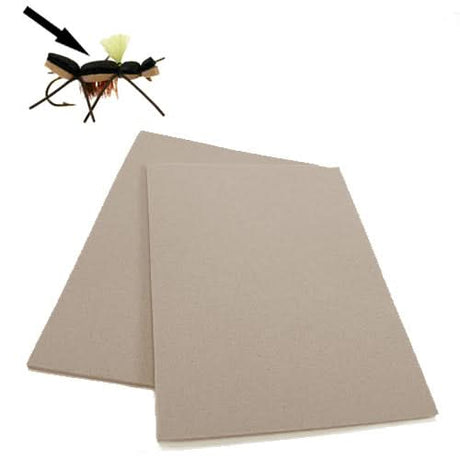
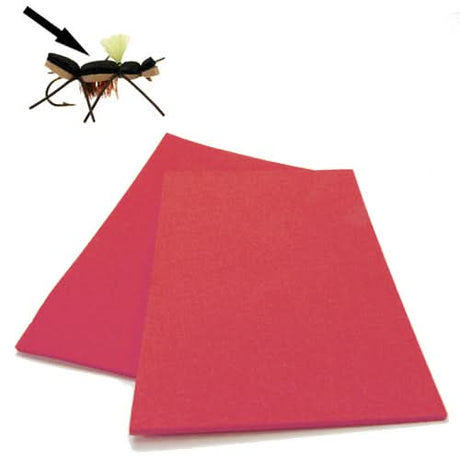
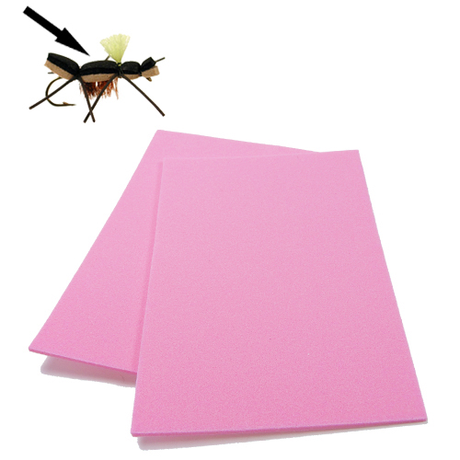
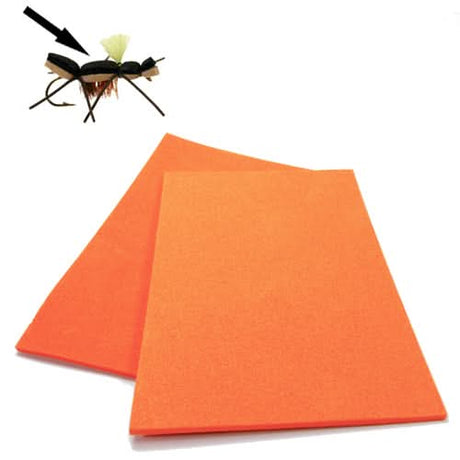
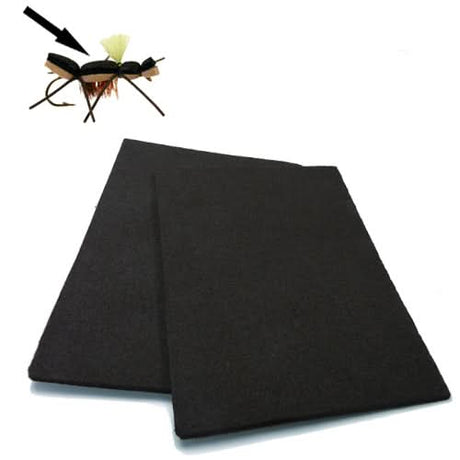
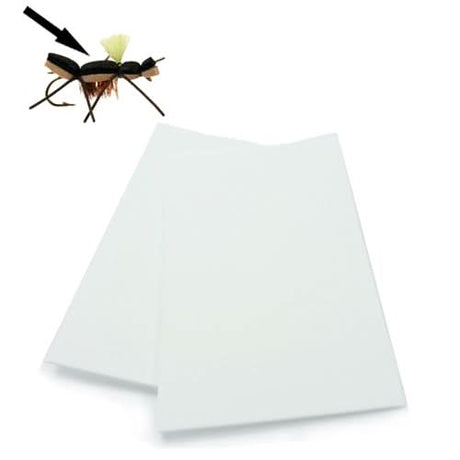
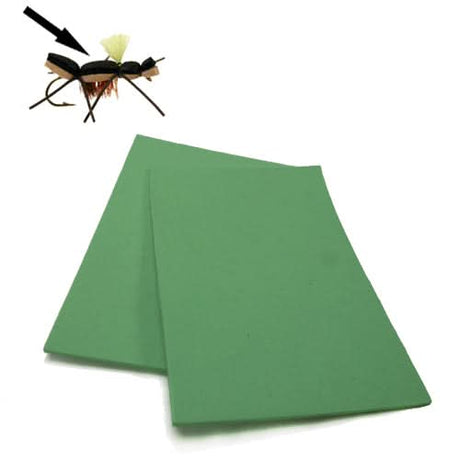
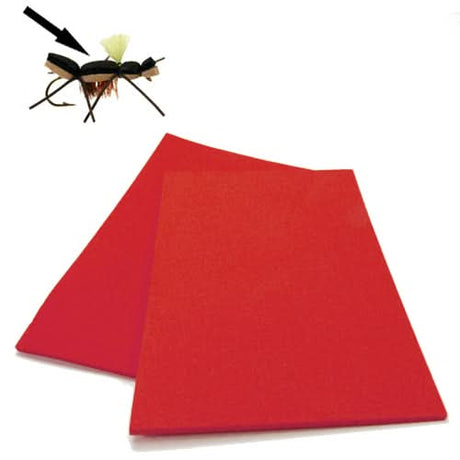
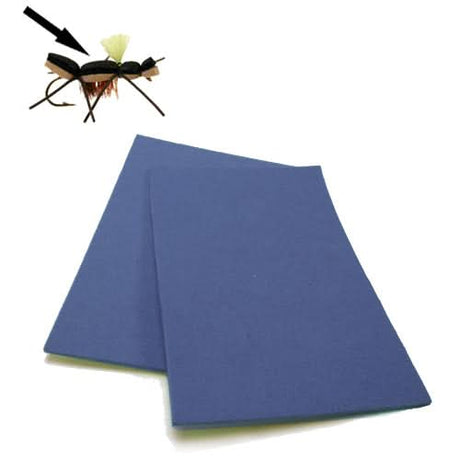
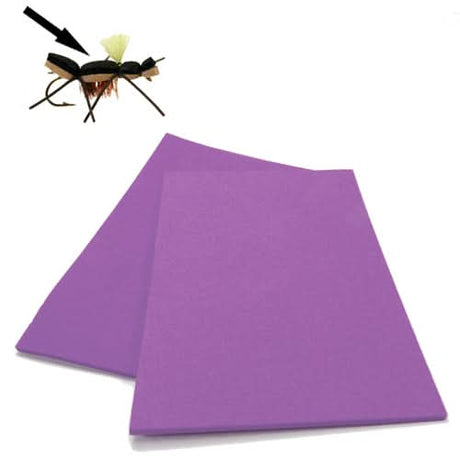
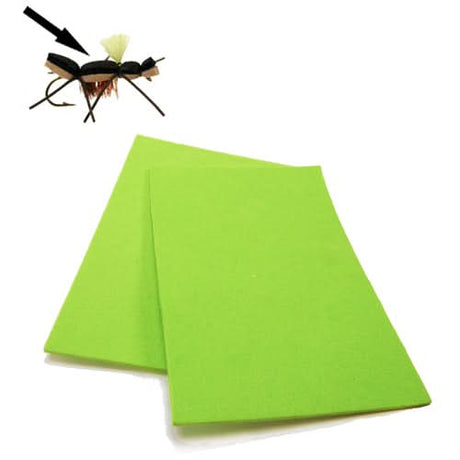
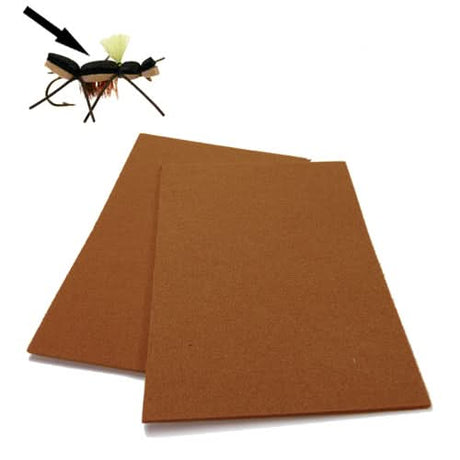
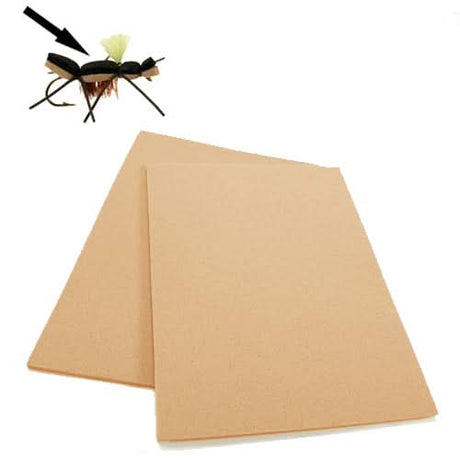
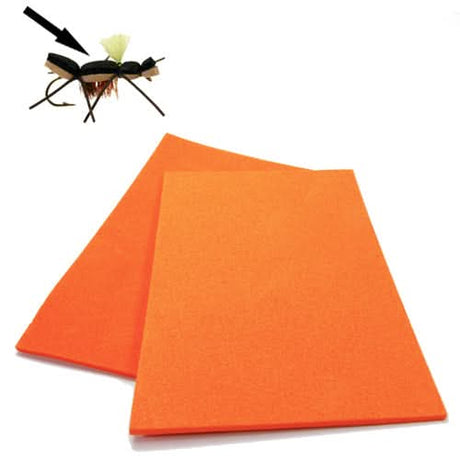
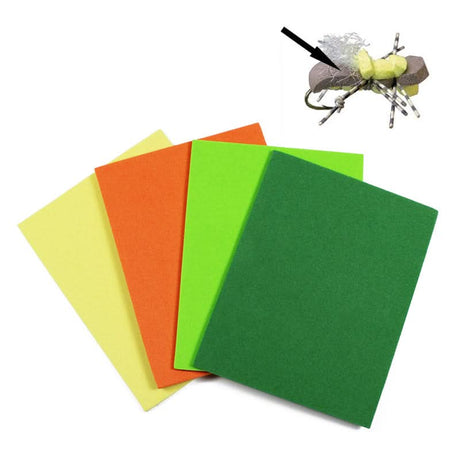
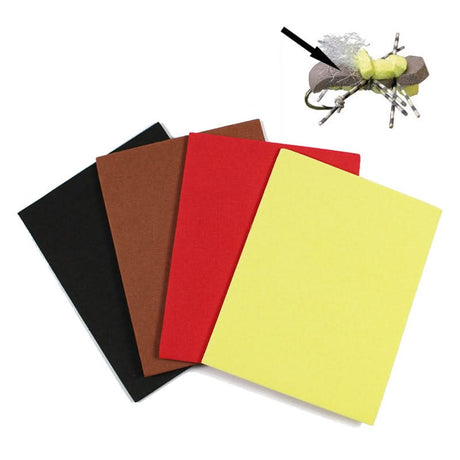
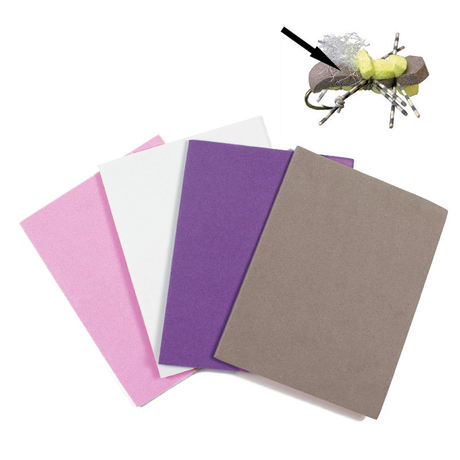
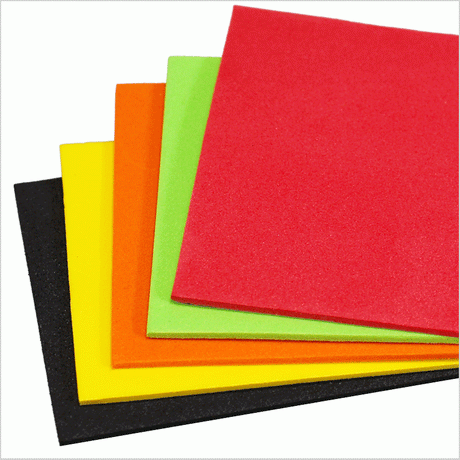
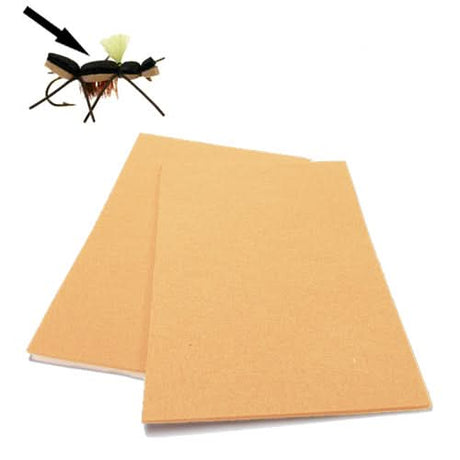
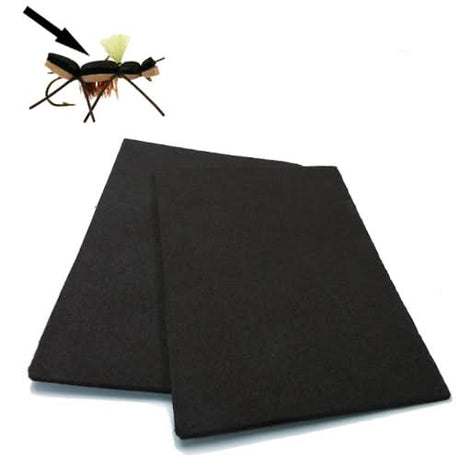
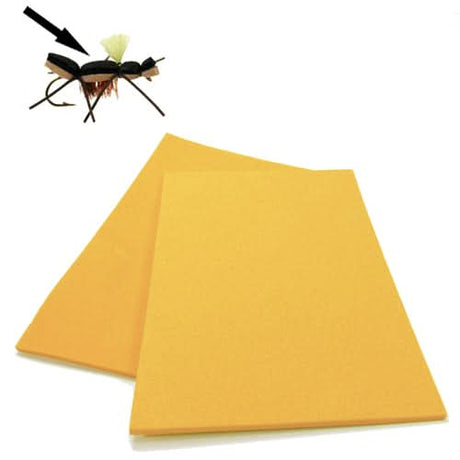
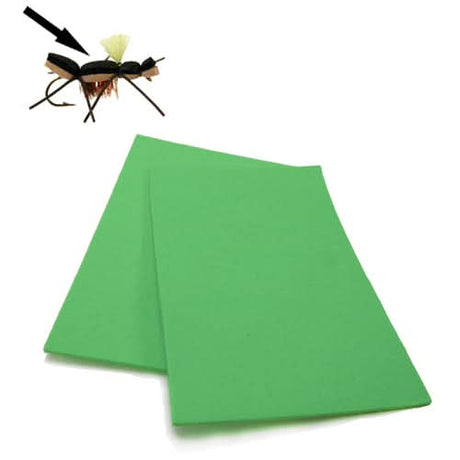
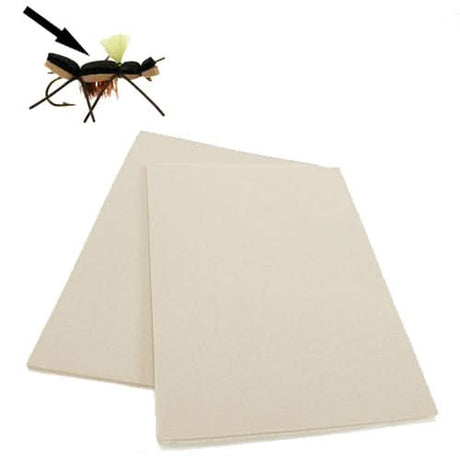
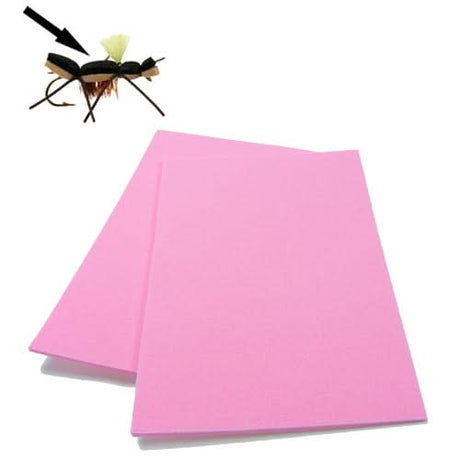
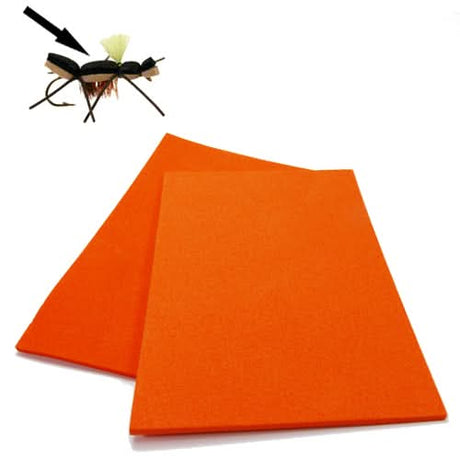
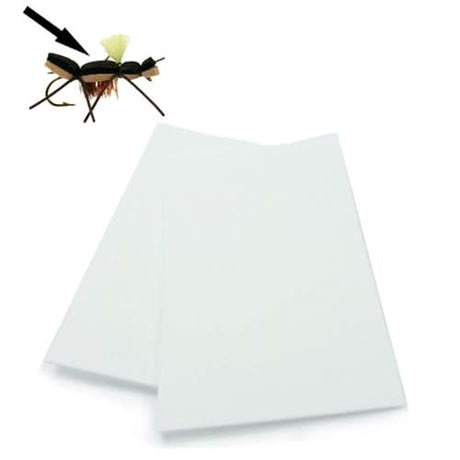
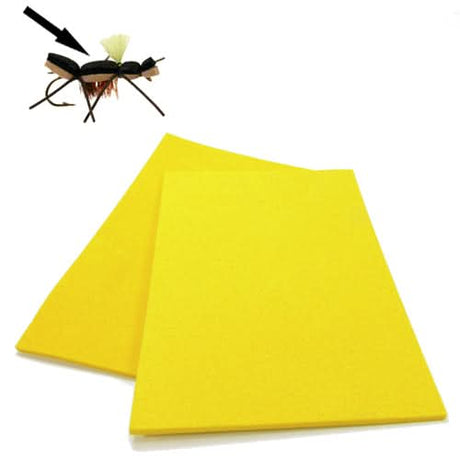
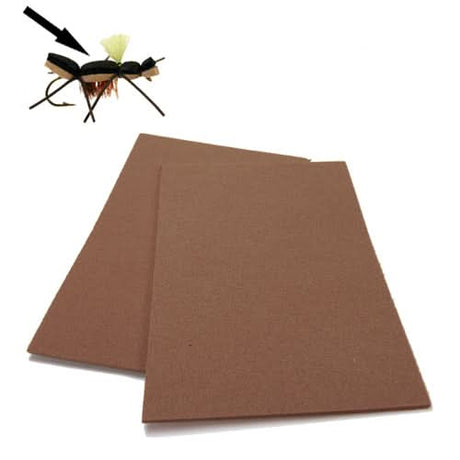
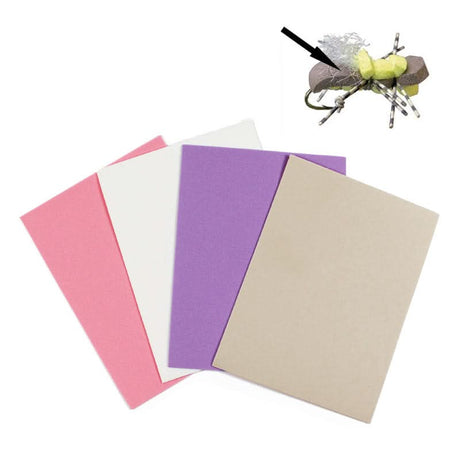
Fly tying foam is a useful material for selected floating patterns, including beetles, ants and other terrestrial imitations.
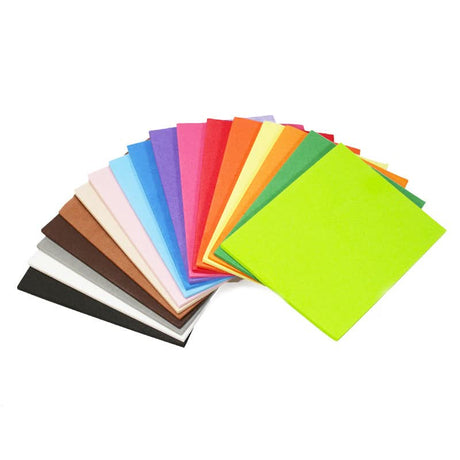
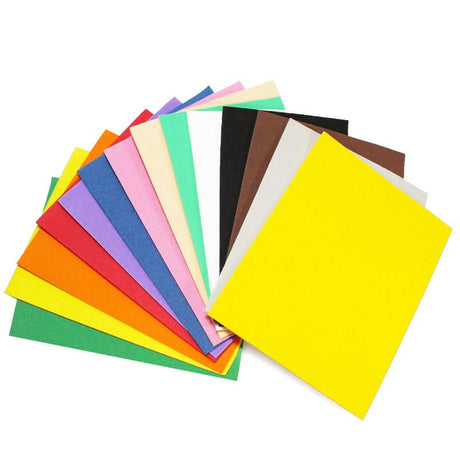
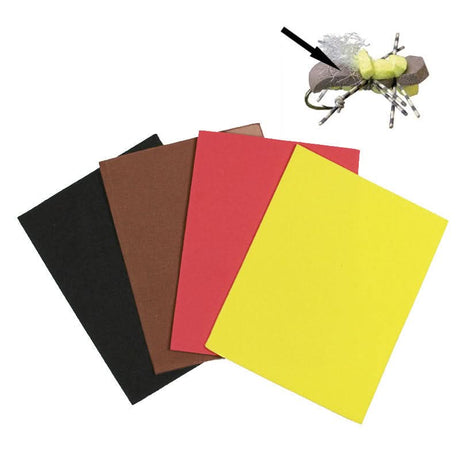
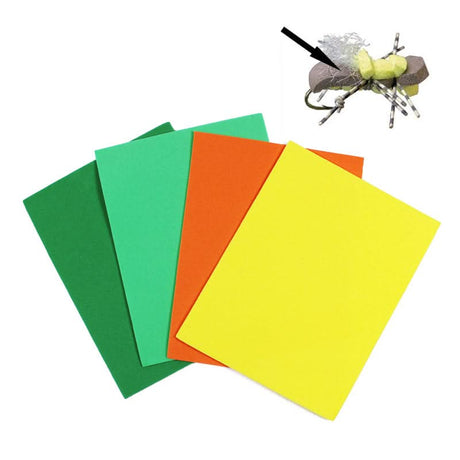
Foam sheets can be cut into shapes, while preformed foam components provide options for more specialised designs.
Select thickness according to the hook and the intended fly profile. A small foam ant and a larger beetle do not require the same amount of material.
Chenille, Antron and Specialised Fly Bodies
Chenille provides a different body texture from quill or smooth stretch materials. Micro Chenille is an option for smaller patterns, while Cactus Chenille offers a more pronounced fibre effect.
Antron Yarn can be used for selected body constructions. The range also includes Mop Fly Bodies and Squirmy Worm materials for particular imitations.
These materials should not be treated as interchangeable simply because they can all form part of a fly body. Their texture, dimensions and flexibility differ.
Choosing Body Materials for Your Tying Bench
Start with the fly pattern, then consider the hook size, desired profile and material thickness. Quill, foam, chenille and elastic body materials each suit different constructions.
Check whether the product comes on a spool, as a sheet, in strips or as a ready-formed component. That affects how it will be prepared and tied in.
For fibre-based bodies and thoraxes, explore our fly tying dubbing. You can also browse the wider fly tying materials selection.
Frequently Asked Questions About Fly Body Materials
What material should I use for a segmented nymph body?
Quill, Body Glass and selected stretch materials are useful options. Choose according to hook size and whether you want a slim or more pronounced body profile.
What is the difference between chenille and foam?
Chenille offers a fibrous body construction, while foam is used for shaped and buoyant parts of selected flies. They serve different tying purposes.
Are adhesive quill strips suitable for beginners?
They can make the initial positioning of a quill strip easier. You still need to control the wrapping tension and maintain the correct body proportions.