




-
-
-
-
-
-
-
-
-
-
 Sold out
-
-
-

-

-
 Sold out

 Sold out
 Sold out
-
-
-


Go-Fish
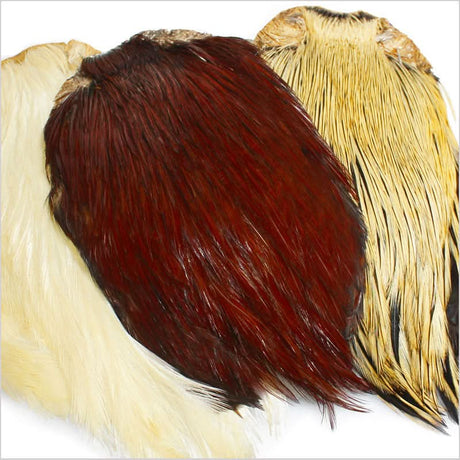
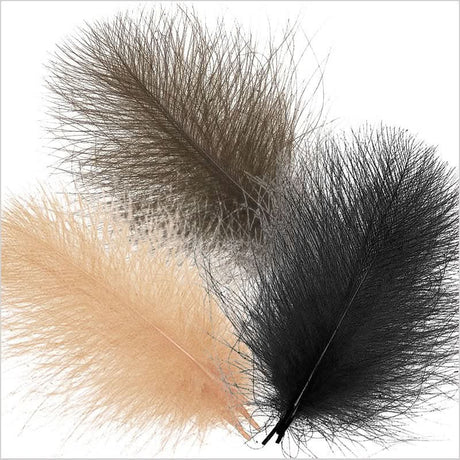
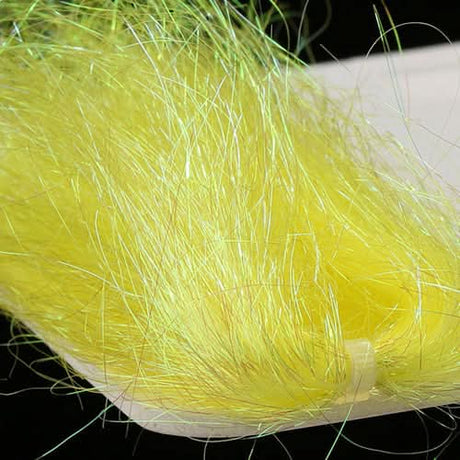
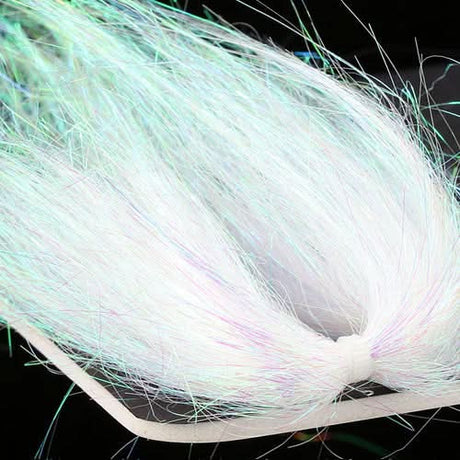
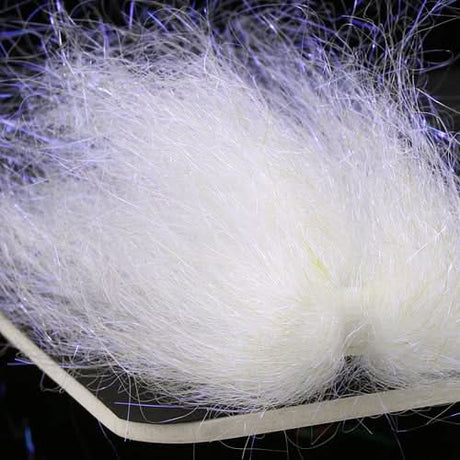
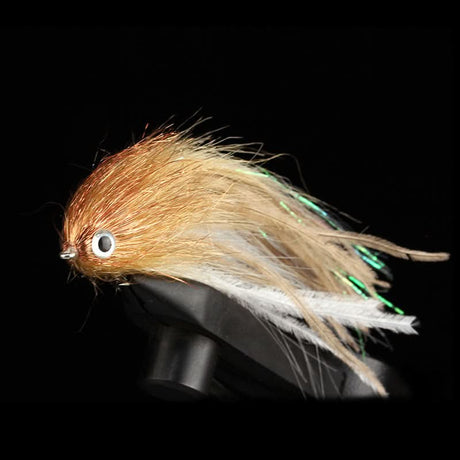
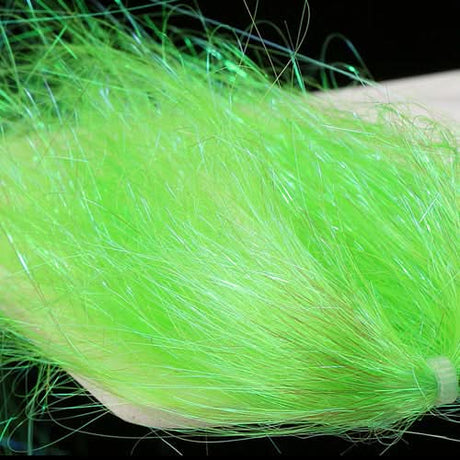
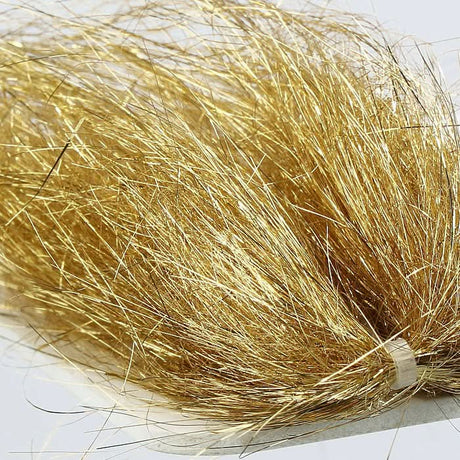
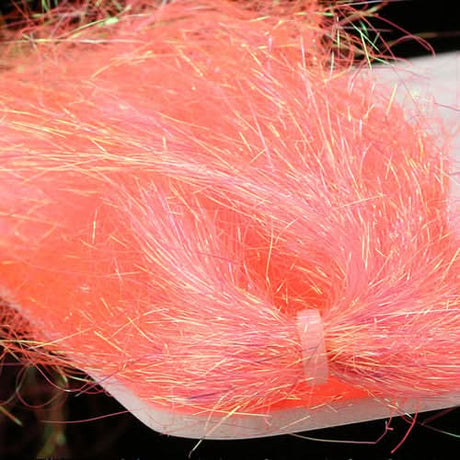
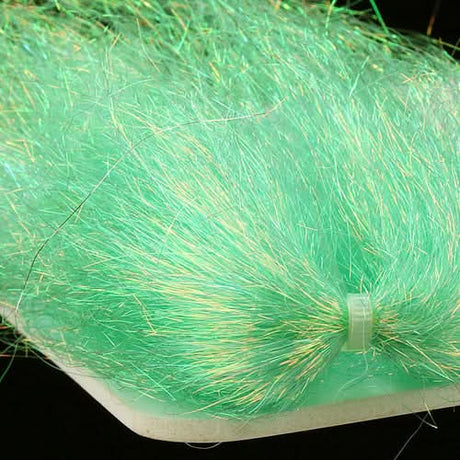
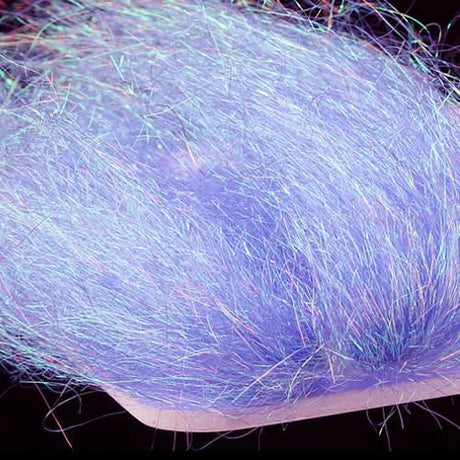
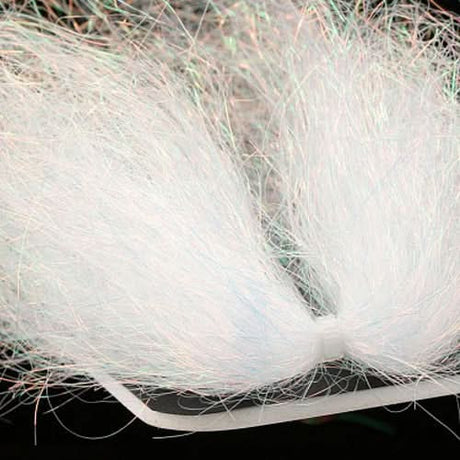
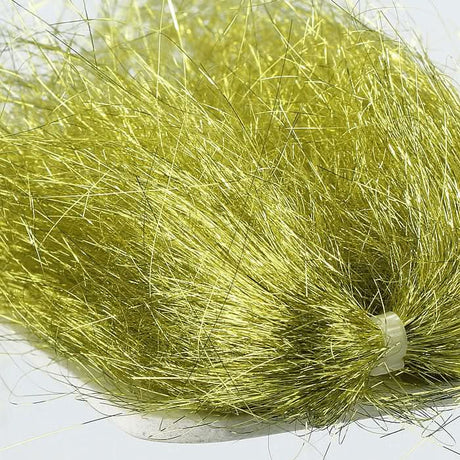
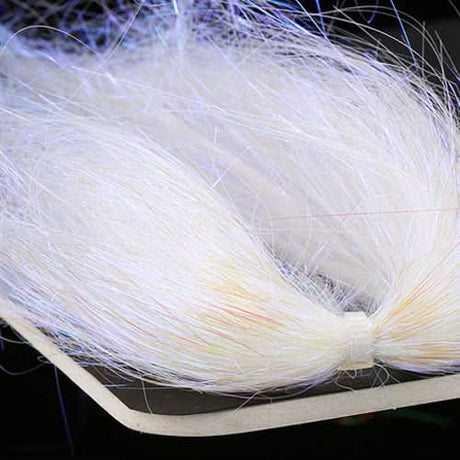
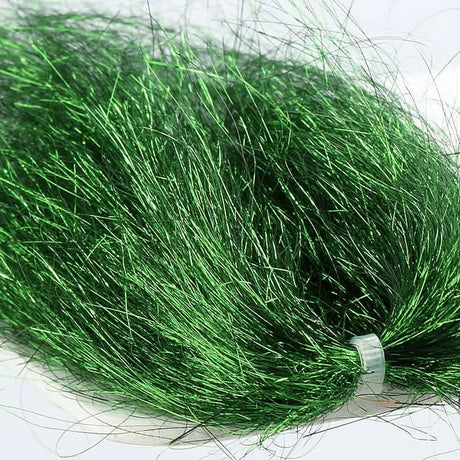
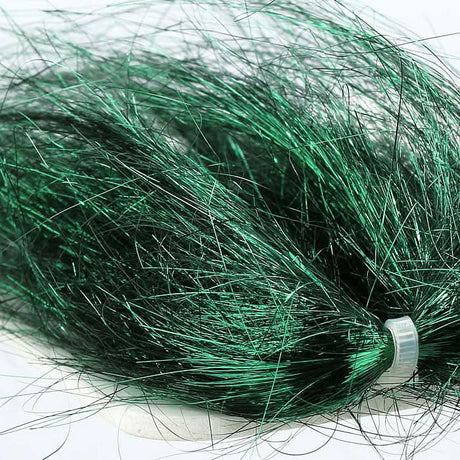
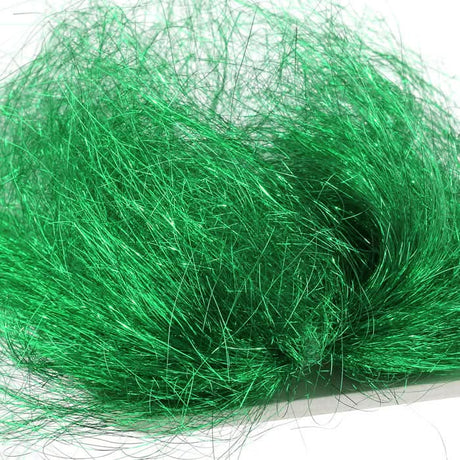
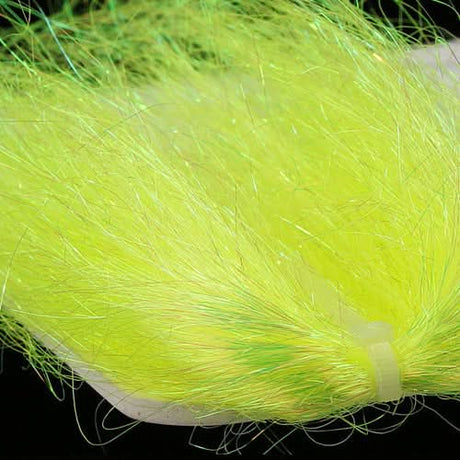
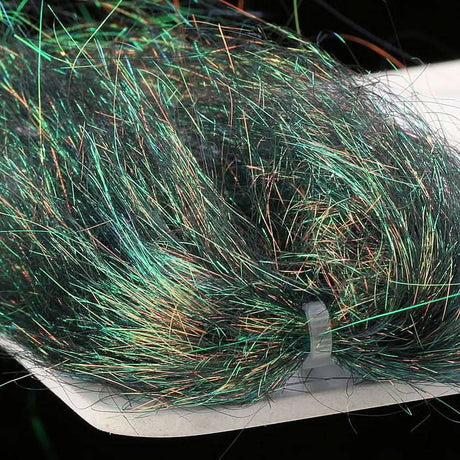
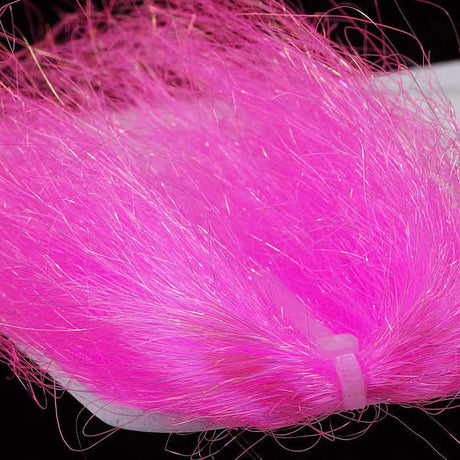
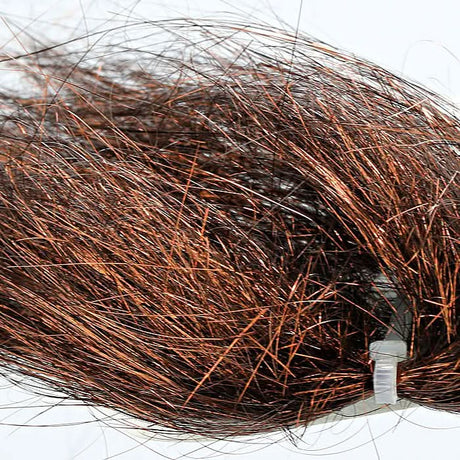
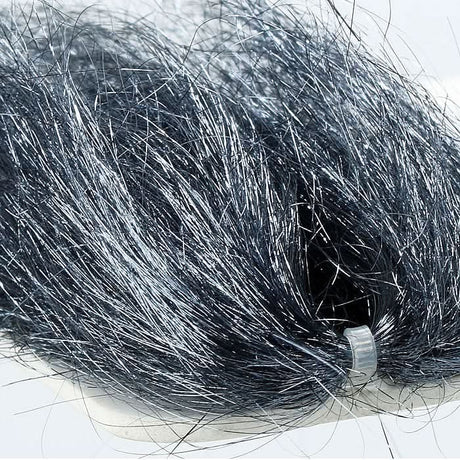
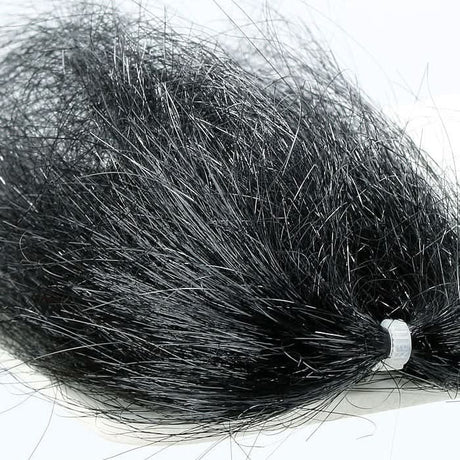
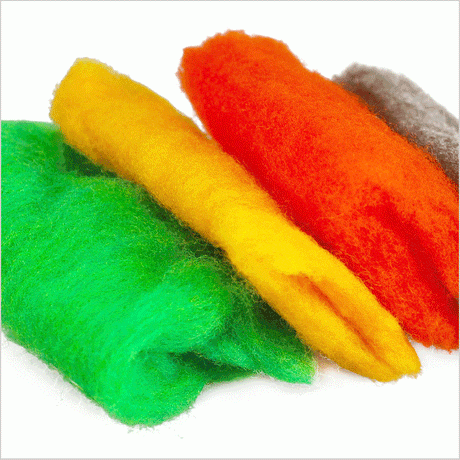
Collars & Feathers Assortment | 3 Half Collars & 30 Feathers
€17,95 EURUnit price /Unavailable-





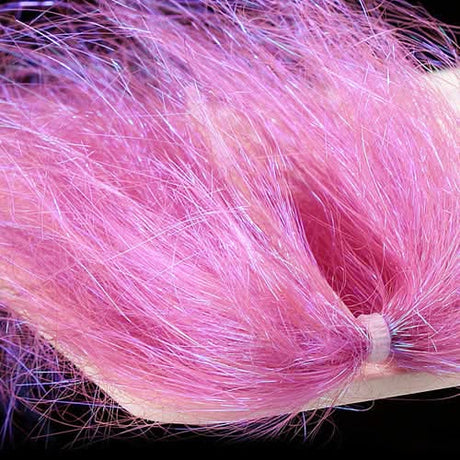
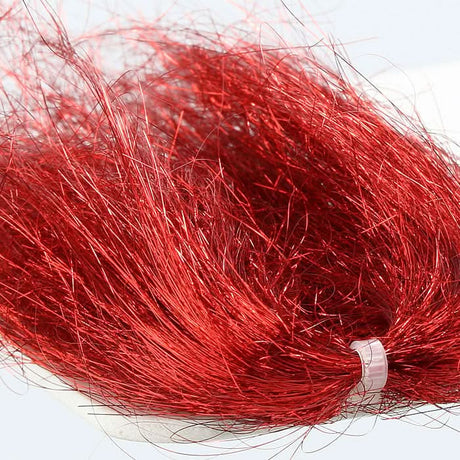
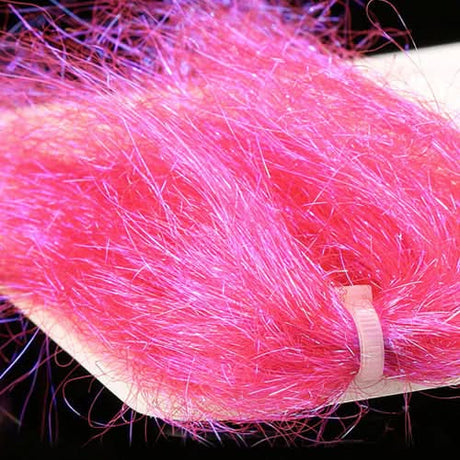
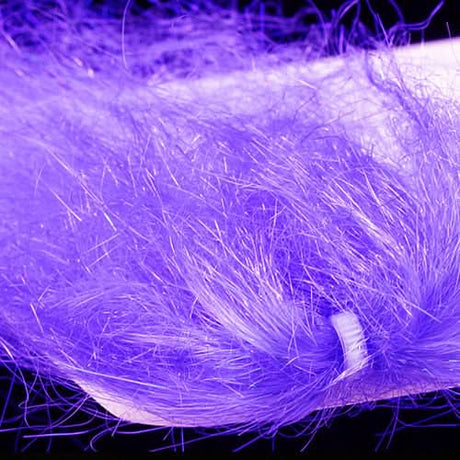




Fly Tying Materials for Dry Flies, Nymphs and Streamers
Tying your own fishing flies gives you control over the hook, proportions, colours and materials used in each pattern. Whether you are reproducing a familiar dry fly, tying a weighted nymph or creating a baitfish streamer, choosing the right fly tying materials is an essential part of the process.
The range covers fly tying vises, tools, hooks, hackle feathers, natural hair, synthetic fibres, dubbing, tying thread, tinsel, beads, body materials and finishing products. These supplies serve different purposes, so it pays to select them according to the flies you want to tie rather than treating every material as interchangeable.
Fly Tying Vises and Essential Bench Tools
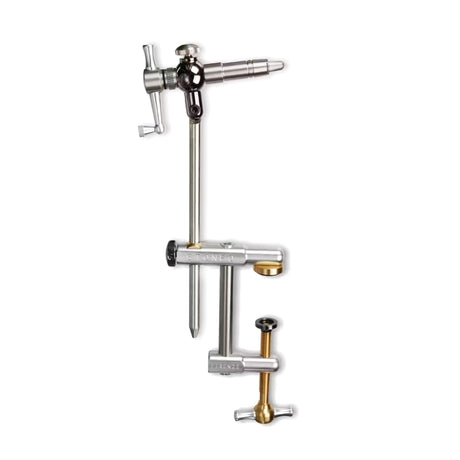
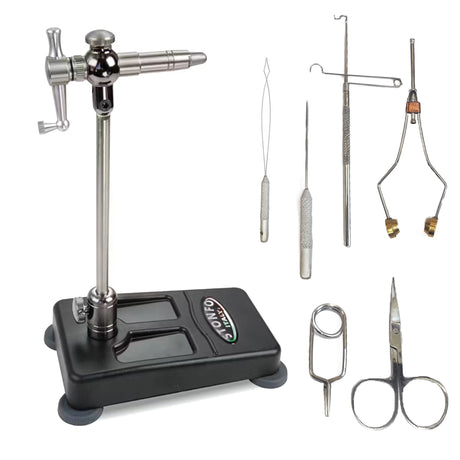
A vise holds the hook securely while you attach thread and materials. Compare jaw compatibility, clamping method and the workspace available. Pedestal models and table-clamp versions offer different ways to set up your tying bench, while selected rotary designs allow additional positioning of the hook.
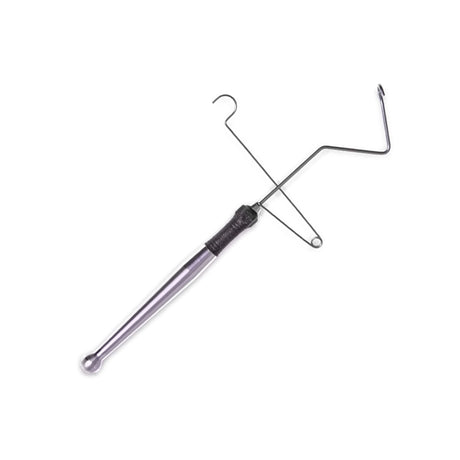
Basic tying tools include a bobbin holder for thread control, scissors, hackle pliers, a bodkin and a whip finisher. Hair stackers, dubbing twisters and other specialised tools can be added as your tying techniques develop.
Browse fly tying vises or compare fly tying kits when choosing the equipment for a new tying station.
Fly Tying Hooks: Match the Hook to the Pattern
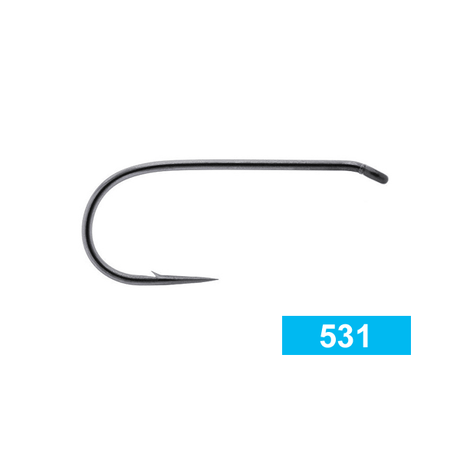
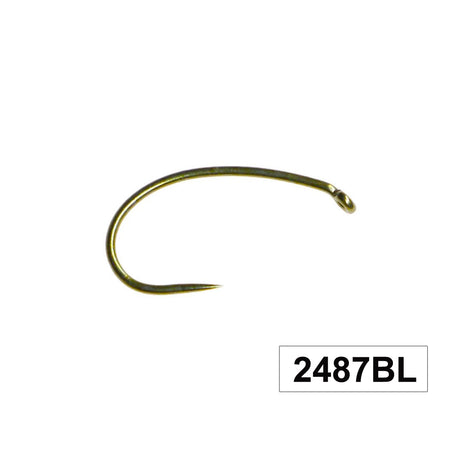
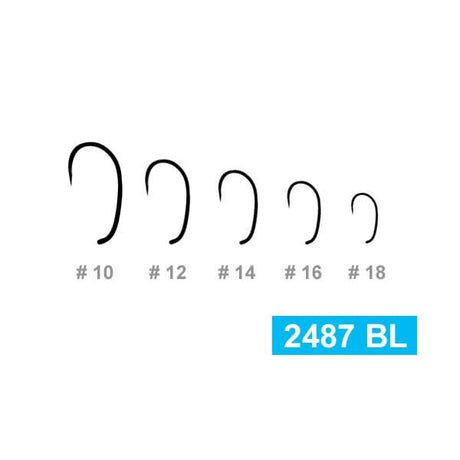
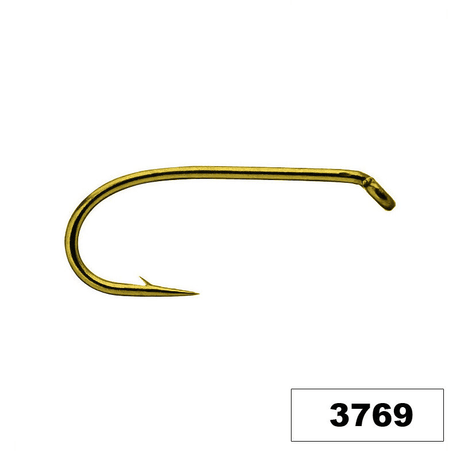
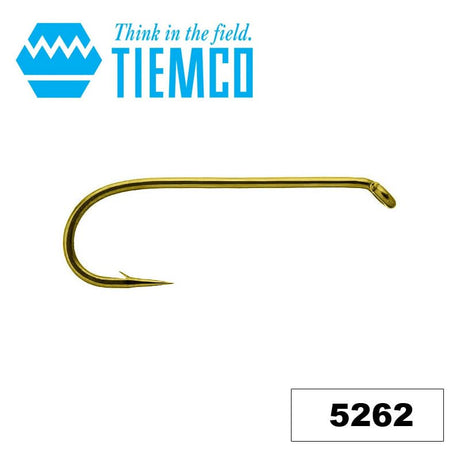
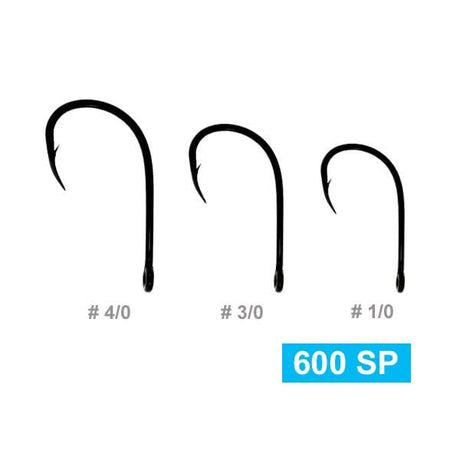
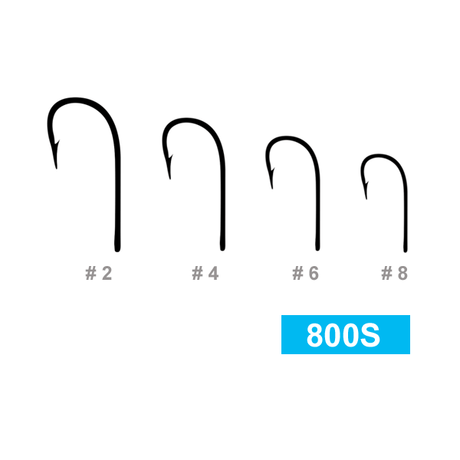
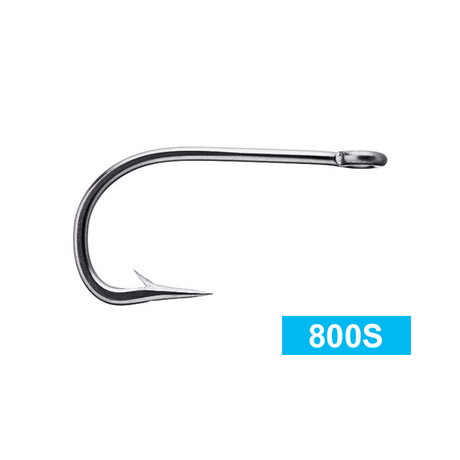
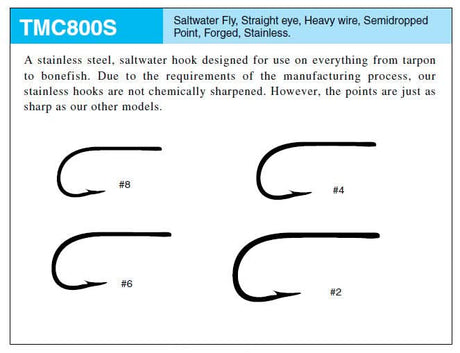
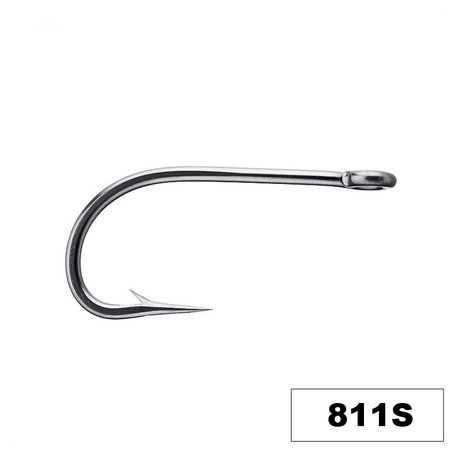
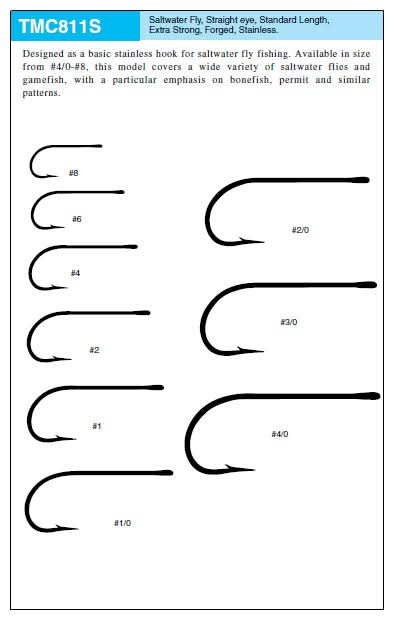
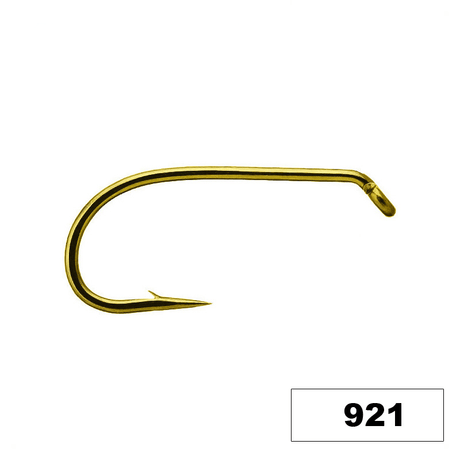
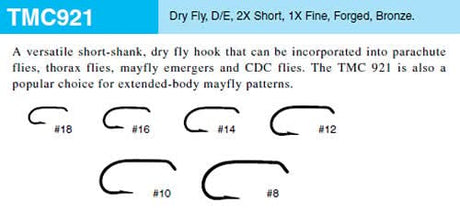
Hook size is only part of the decision. Shank length, hook bend, gap, wire and eye configuration all influence the proportions and intended use of a fly.
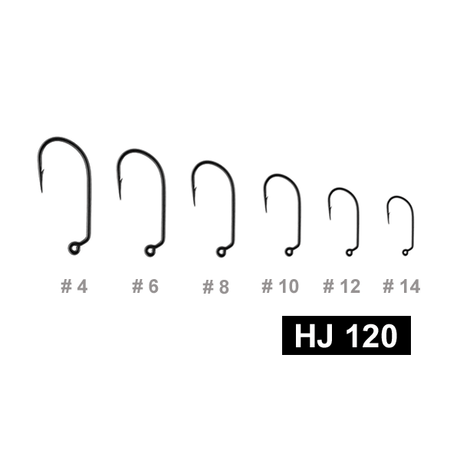
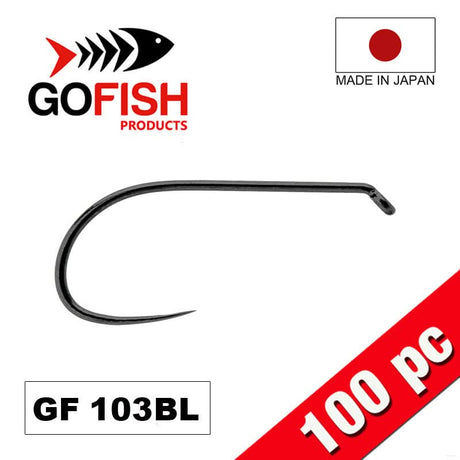
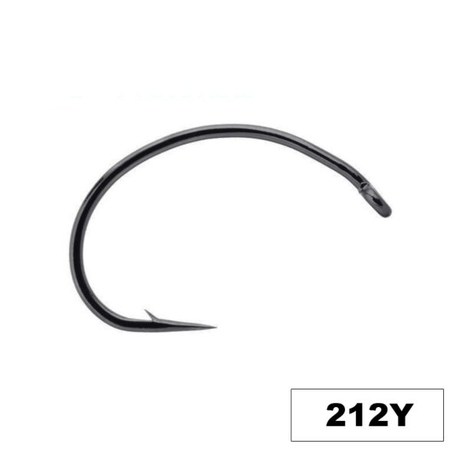
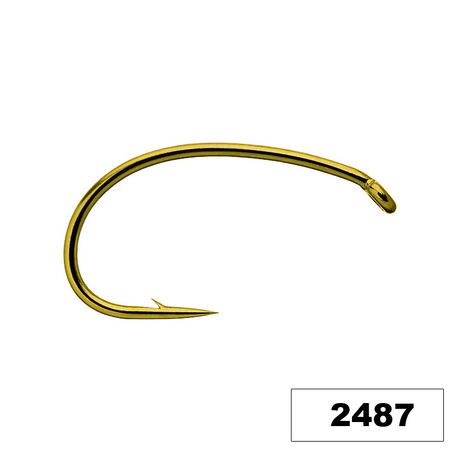
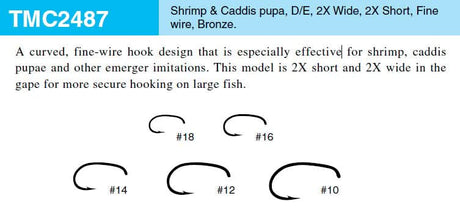
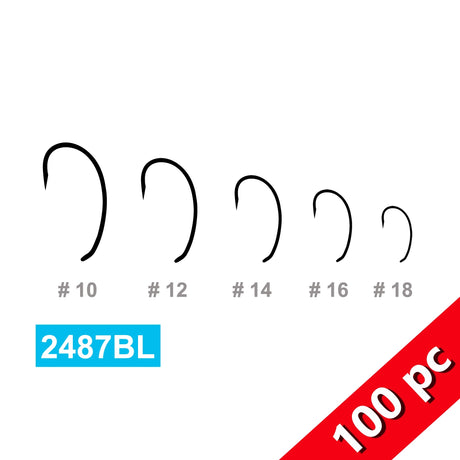
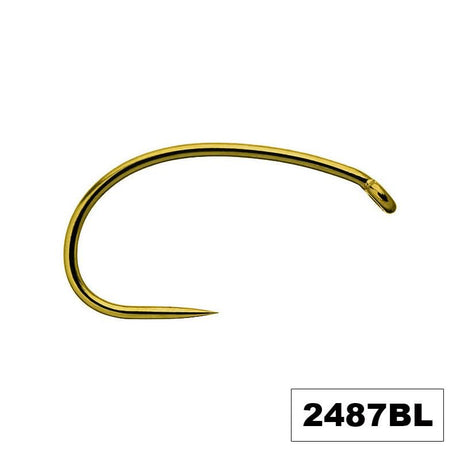
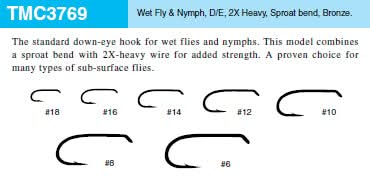
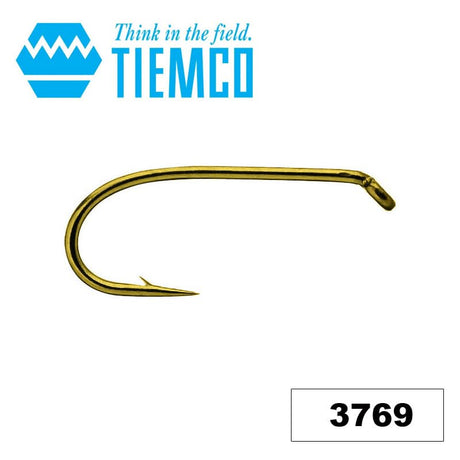
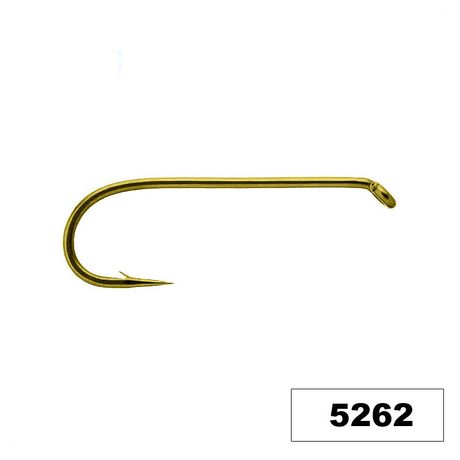
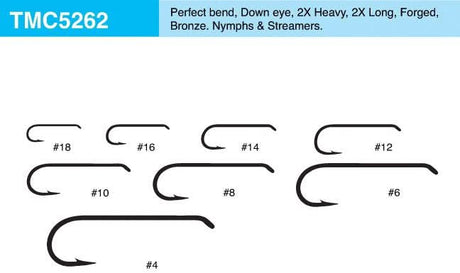
Dry fly hooks, jig hooks for nymphs and larger streamer hooks are available in different constructions. If you require a hook without a barb, the barbless fly tying hook collection includes options for several tying styles.
Hackle Feathers, CDC and Natural Hair
Feathers for dry flies and emergers
CDC feathers are used in a variety of dry flies and emerger patterns. Rooster capes and saddles offer hackle feathers for different sizes and styles of dry fly.
Choose feathers according to fibre length and the construction you have in mind. Soft feathers and marabou provide different characteristics, particularly for wet flies and streamer patterns where movement is important.
Natural hair and synthetic streamer fibres
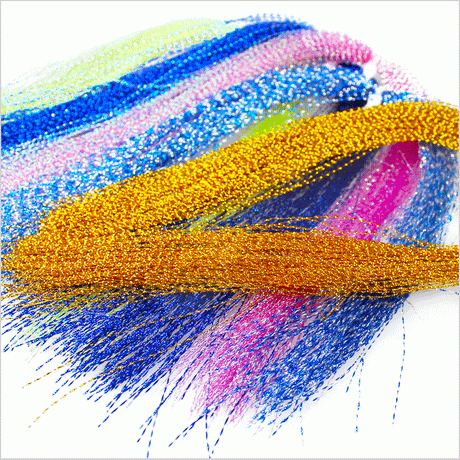
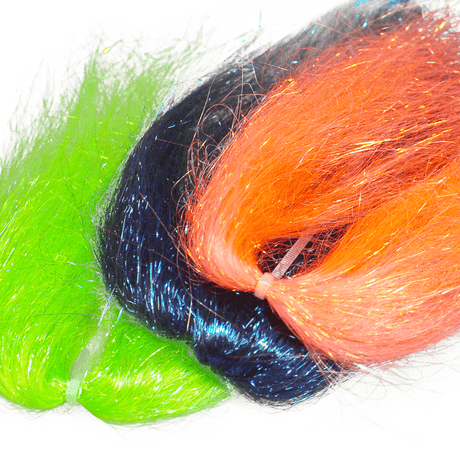
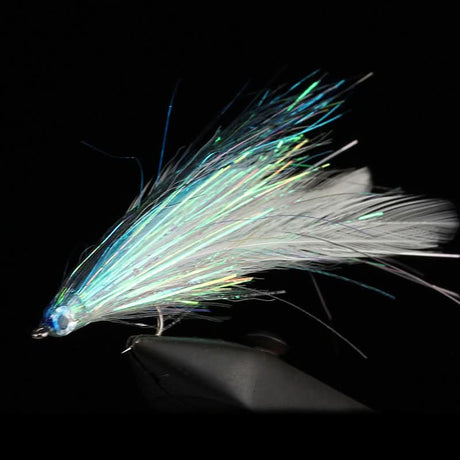
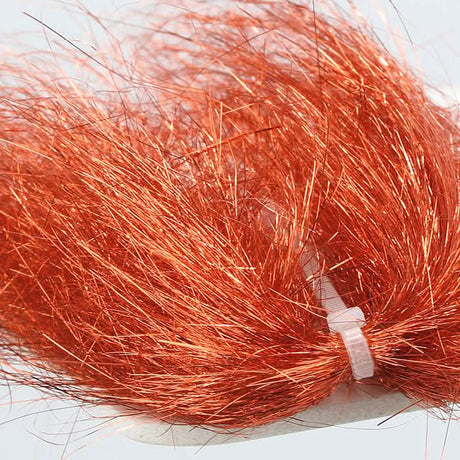
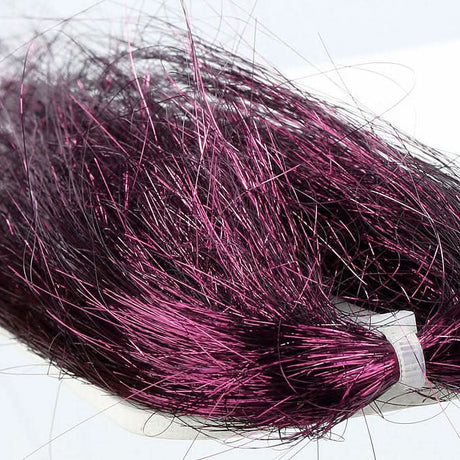
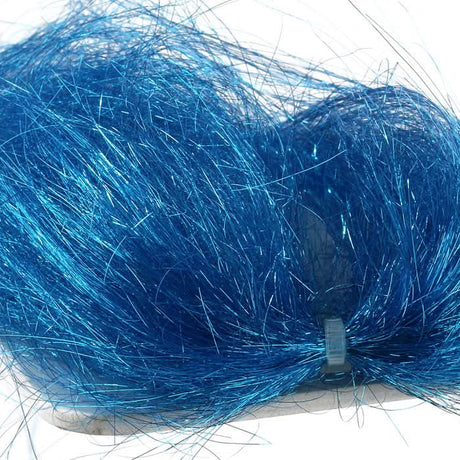
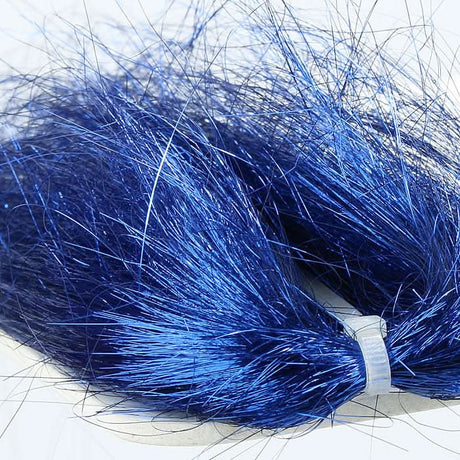
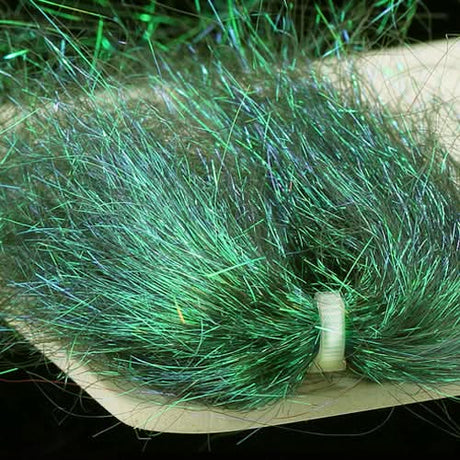
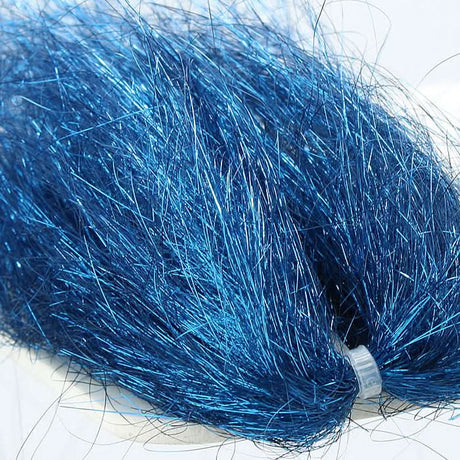
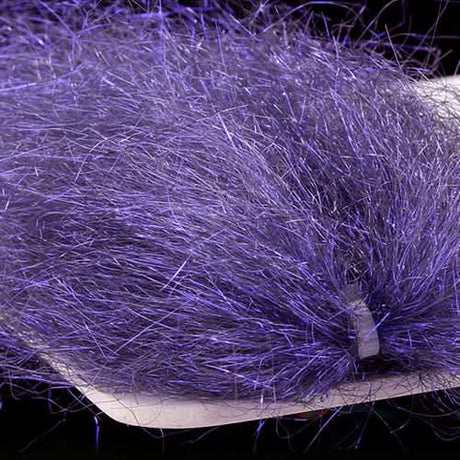
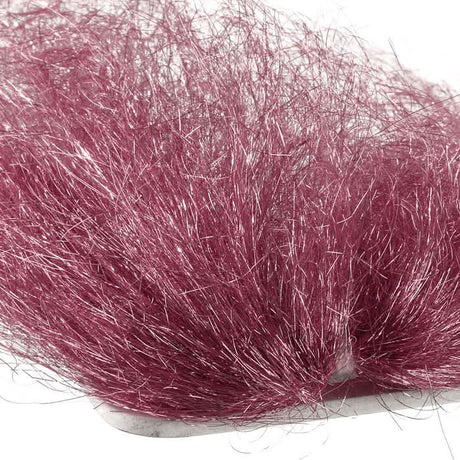
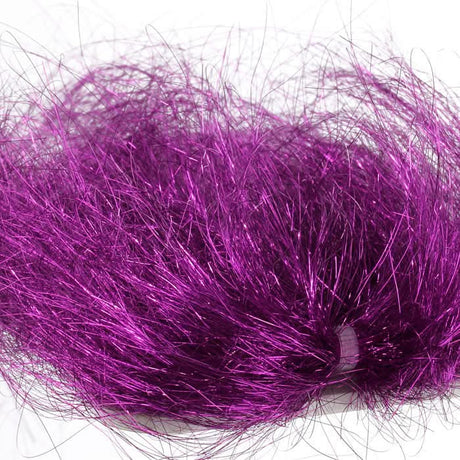
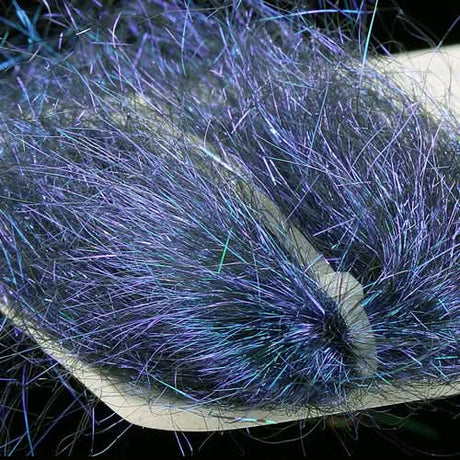
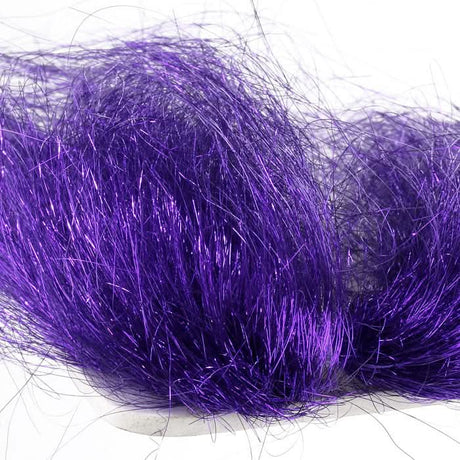
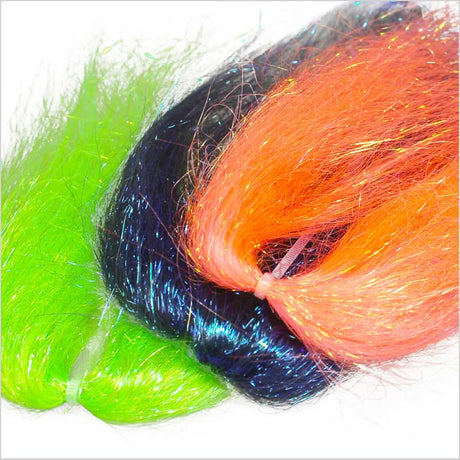
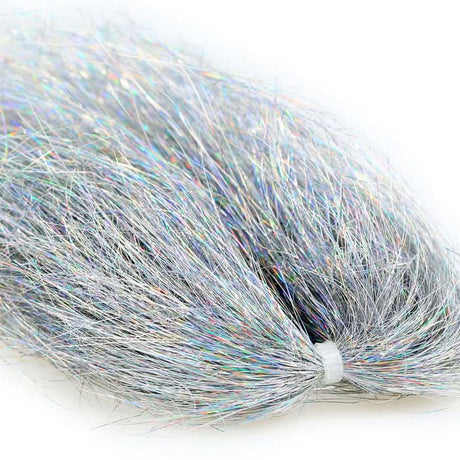
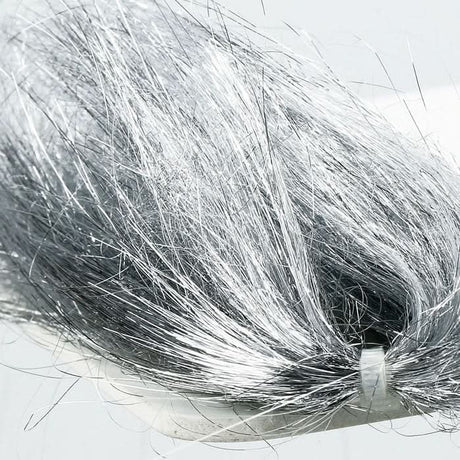
Natural hair can form tails, wings and bodies, while synthetic fibres provide different lengths, colours and visual effects. Craft Fur and reflective materials are especially relevant when building baitfish and predator streamers.
Think about the size of the hook and the intended silhouette before adding large amounts of material. More bulk is not automatically better for a particular pattern.
Dubbing, Tying Threads and Ribbing Materials
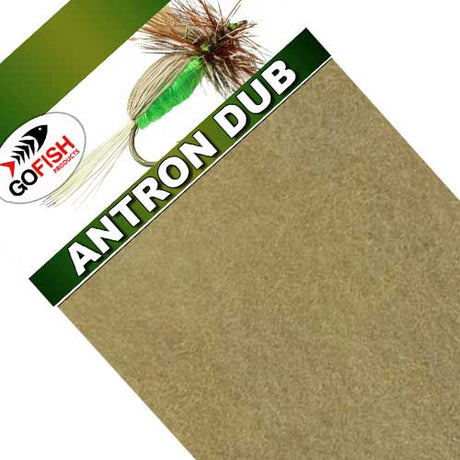
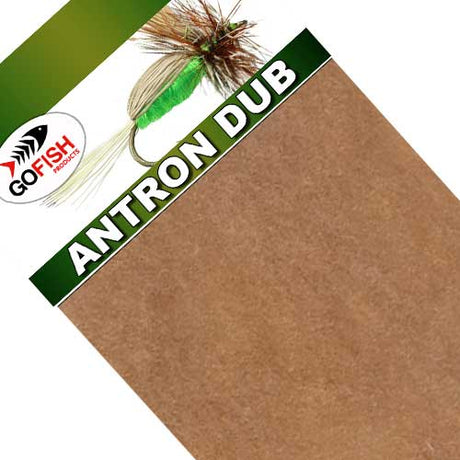
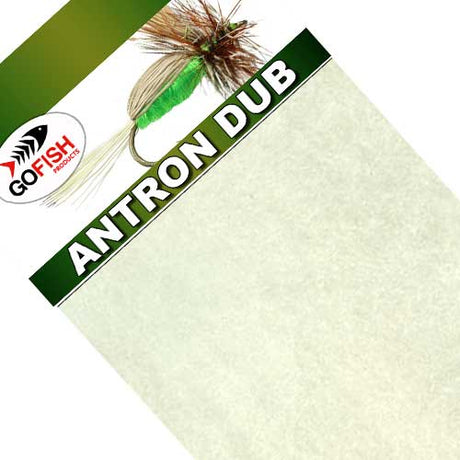
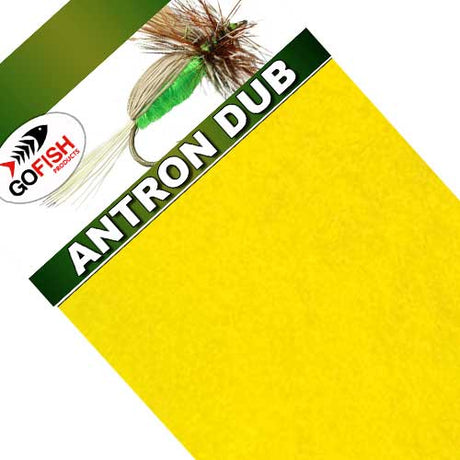
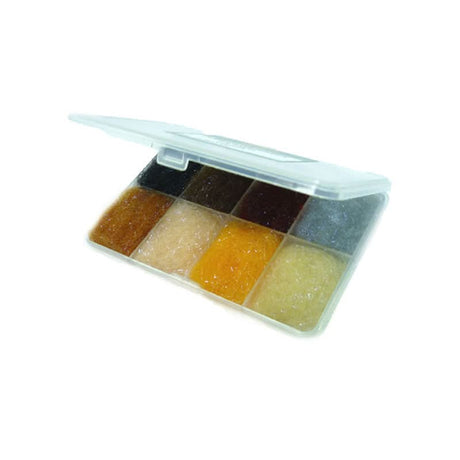
Fly tying dubbing is used to build bodies and thoraxes. Fine natural and synthetic fibres allow different textures, and selected blends offer UV-related visual effects.
Thread secures materials to the hook and helps form the body foundation. Different thread types and sizes suit different tying tasks; a thread suitable for a bulky streamer may not be the best choice for a tiny dry fly.
Tinsel, wire and other ribbing materials create segmentation, reinforcement and contrast. Choose the dimensions carefully so that ribbing remains proportional to the fly.
Foam, Quill, Chenille and Other Body Materials
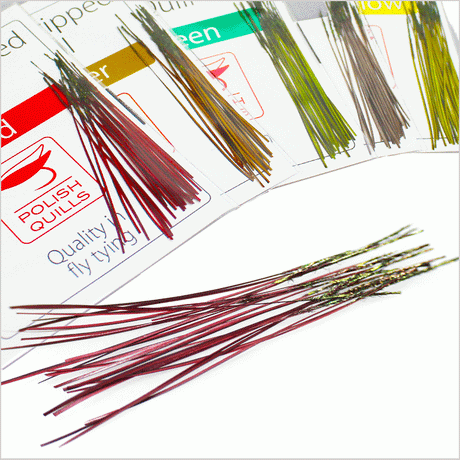
Body materials vary widely in shape and behaviour. Quill can create segmented bodies, foam is used in selected buoyant patterns, while chenille and stretch materials are useful for other body constructions.
Consider the intended appearance and tying technique. Materials suited to a slim emerger can be very different from those used for a substantial streamer.
Beads, Streamer Eyes and UV Finishing Products
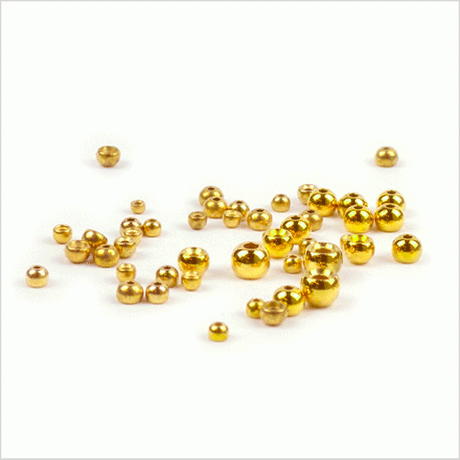
Tungsten and brass beads add different weighting and head options to selected nymph patterns. Bead dimensions must be compatible with the hook and the proportions of the finished fly.
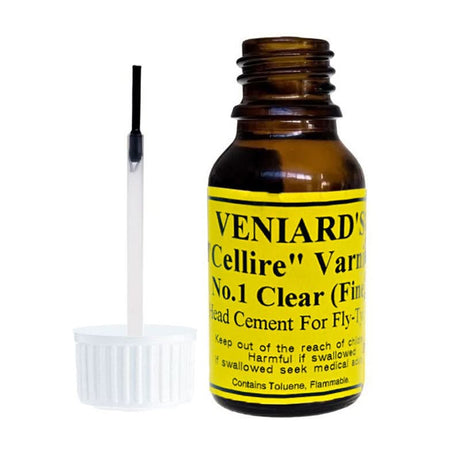
Streamer eyes add detail to baitfish imitations. Adhesives, head cement and UV resin are available for particular finishing tasks. When using UV resin, choose a suitable curing light and follow the product instructions.
Build a Practical Fly Tying Material Selection
If you are new to fly tying, begin with a few simple patterns and buy the hooks, thread and materials needed to practise them. Once you are comfortable with basic techniques, expand into additional hackles, dubbing blends, streamer fibres and finishing methods.
A thoughtful selection of materials makes the tying process more enjoyable and helps you avoid buying supplies with no clear purpose in your current projects.
Frequently Asked Questions About Fly Tying Materials
What supplies do I need to start fly tying?
Start with a suitable vise, basic tying tools, hooks, thread and the materials required for a few simple patterns. You can add more specialised materials as your skills develop.
What is the difference between natural and synthetic dubbing?
Fibres vary in texture, length, colour and how they behave during tying. Choose the type that creates the body or thorax profile you want.
Do I need tungsten beads for every nymph?
No. Tungsten beads are useful for weighted nymphs, but not every nymph design requires them. Choose bead size and weight according to the hook and intended pattern.