-
-
-
-
-
-
-
-
-
-
-
-
-
-

-

-
-


Go-Fish
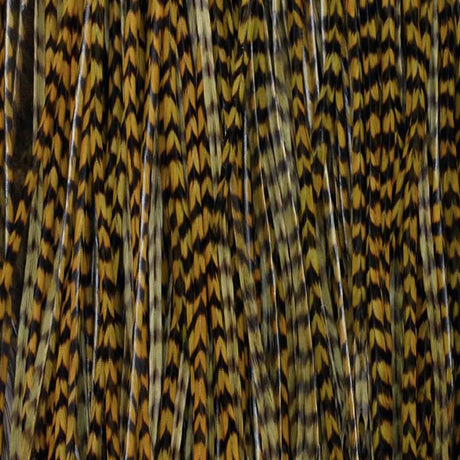
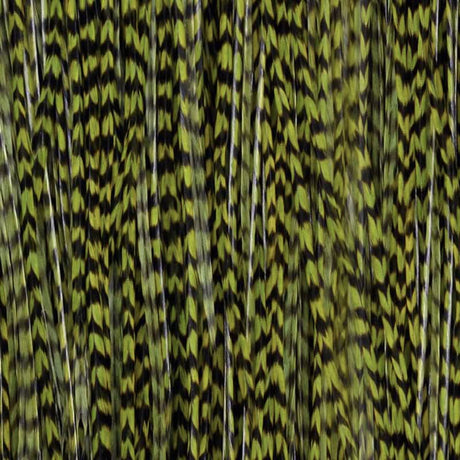
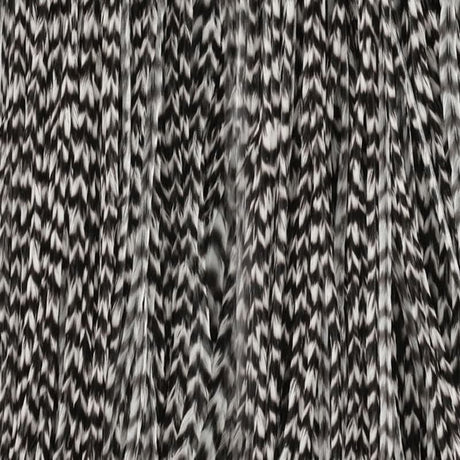
Collars & Feathers Assortment | 3 Half Collars & 30 Feathers
€17,95 EURUnit price /Unavailable-
-

-
-


-

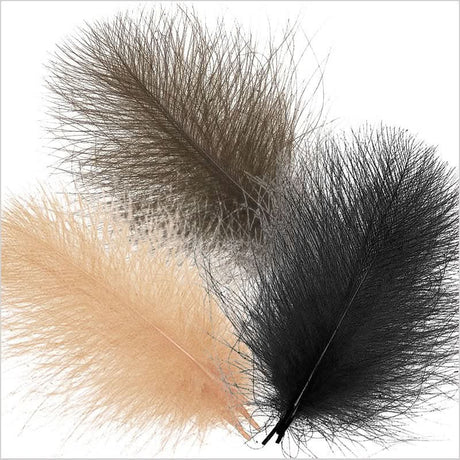


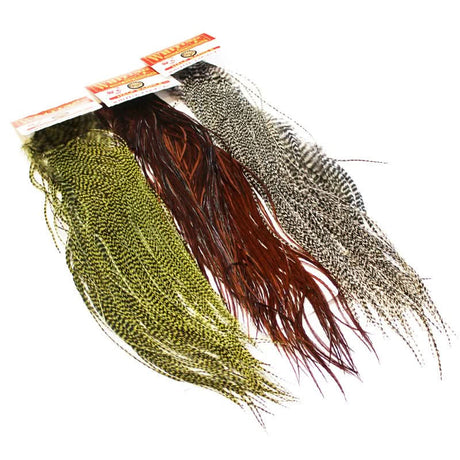
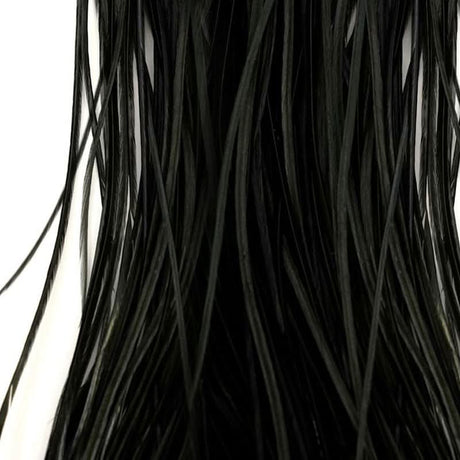
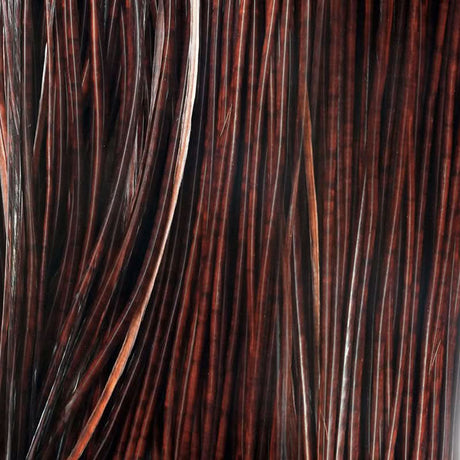
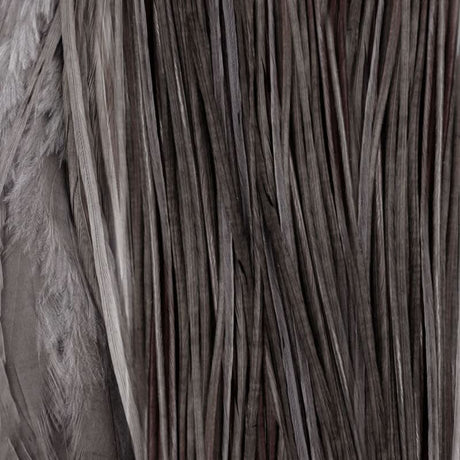
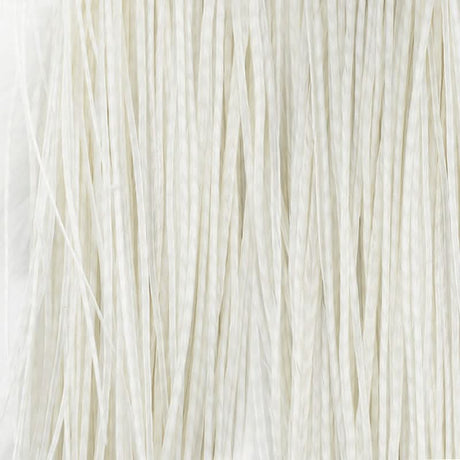


Fly Tying Feathers for Dry Flies, Nymphs and Streamers
Natural feathers are used for some of the most recognisable parts of artificial flies: wings, tails, hackles, legs and bodies. Choosing the right fly tying feathers involves more than matching a colour. Fibre length, texture and the way a feather behaves during tying all influence the finished pattern.
The range includes CDC, Coq de León, pheasant tail, partridge, peacock herl, marabou, goose biots and other natural feathers for different styles of flies.
CDC and Hackle Feathers for Dry Fly Tying
CDC, or Cul de Canard, is used in a variety of dry flies and emergers. Its fine fibres allow delicate wing and body arrangements.
Selected hackle feathers provide options for traditional dry fly constructions. Match the fibre length to the hook and the style of the fly, particularly when tying small patterns.
Not every feather has the same stiffness or intended use. A feather chosen for a soft-hackle wet fly may behave differently from one selected for a dry fly collar.
Coq de León and Pheasant Tail Fibres
Coq de León feathers provide distinctive markings and are used for tails and selected wing or hackle details.
Pheasant tail fibres are particularly useful for nymph tying. They can form tails, bodies and wing cases, including on Pheasant Tail-style patterns.
Consider the length and amount of material needed, especially if you want to tie several flies of the same size.
Partridge for Soft Hackles and Spider Flies
Partridge feathers are used in different wet fly, nymph and Spider constructions. Their softer fibres create a different hackle profile from many traditional dry fly feathers.
For smaller flies, careful selection of feather size is important. Overly long fibres can change the intended shape of a compact pattern.
Marabou for Woolly Buggers and Streamers
Marabou feathers provide soft, mobile fibres used in streamer tails and other moving parts of artificial flies. Woolly Bugger-style patterns are one familiar example.
Different colours and fibre lengths allow you to adapt the material to compact or larger streamers. Choose according to the intended body profile rather than simply using the greatest amount available.
Goose Biots, Peacock Herl and Other Natural Feathers
Goose and turkey biots offer options for selected body, tail and wing details. Peacock herl provides a characteristic surface for different dry fly, wet fly and nymph bodies.
Duck, ostrich, woodcock and other feathers add further possibilities for specialised tying techniques. Their uses differ, so it is worth choosing materials for a specific pattern or tying task.
Choosing Feather Sizes and Pack Formats
Compare fibre length, colour and how the material is packaged. Some feathers are sold by piece count, others by weight or as selected groups.
If you mainly tie small dry flies, the suitability of the fibres for your hook sizes matters more than the quantity alone. For larger streamers, length and available material volume may be more significant.
Complete your tying bench with tying threads and tinsel or explore the wider fly tying materials range.
Frequently Asked Questions About Fly Tying Feathers
Which feathers should I use for dry flies?
CDC and suitable hackle feathers are important options. Choose according to the pattern, hook size and required fibre characteristics.
What are pheasant tail feathers used for?
Pheasant tail fibres can form the tails, bodies and wing cases of various nymphs, including Pheasant Tail patterns.
Why is marabou used in streamers?
Its soft fibres provide a mobile material for tails and other parts of streamer patterns such as Woolly Buggers.