


 Sold out


 Sold out


 Sold out
 Sold out



 Sold out

- Sold out
-

 Sold out


Fly Fishing Flies: Choosing the Right Pattern for the Water
A well-chosen fishing fly can help you adapt to changing conditions on the river. Sometimes trout and grayling are feeding at the surface, while at other times most of the activity takes place beneath the water. Streamer fishing introduces another approach, using larger patterns to imitate fish and other prey.
Our range of fly fishing flies includes dry flies, traditional nymphs, tungsten nymphs, Tenkara flies and streamers. There are also dedicated barbless selections for anglers who prefer this hook style or need to comply with particular fishery rules.
Dry Flies for Surface Fly Fishing
Dry fly fishing is an engaging way to target fish feeding at or close to the surface. Choosing the right fly involves matching the general size, silhouette and behaviour of the insects present on the water.
The selection includes traditional patterns such as Adams, Sedge and Palmer, alongside CDC, parachute and foam-based designs. Terrestrial imitations, including ants and beetles, add further options when fish are feeding on insects that have fallen into the water.
Think about presentation as well as appearance. A discreet fly may be suitable on calm, clear water, while a more visible pattern can be easier to follow in broken currents.
Explore our dry flies or browse barbless dry flies for a dedicated hook selection.
Nymph Flies for Subsurface Fishing
Nymph fishing allows anglers to target fish feeding beneath the surface. The correct fly depends on the type of prey being imitated, the depth and the way the fly is presented.
Traditional nymphs, Buzzers and larva patterns
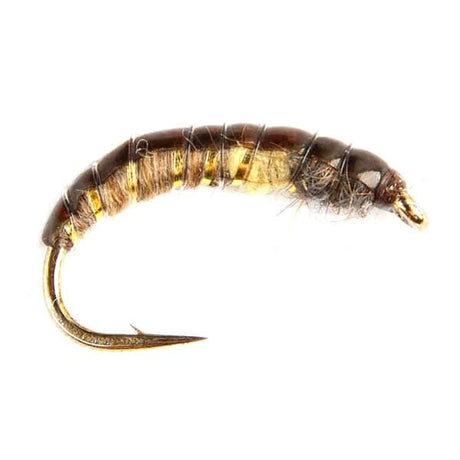
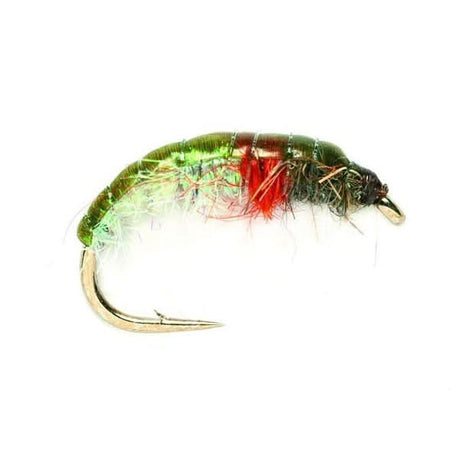
Our fly fishing nymphs include Buzzer patterns, Czech Nymphs, larva imitations and freshwater shrimp designs. They offer different body shapes and colours for fishing streams, rivers and stillwaters.
When comparing patterns, consider the hook size, body profile and the type of food organism you want to represent.
Tungsten nymphs for added weight
Tungsten-weighted nymphs are useful when you need to reach deeper water or maintain a presentation in stronger currents. They are especially relevant for modern river nymphing techniques.
Choose the weight in relation to depth and water speed. A heavier fly is not automatically the better choice in every situation.
Our tungsten nymph selection offers a dedicated range of weighted patterns.
Streamer Flies for Trout and Predatory Fish
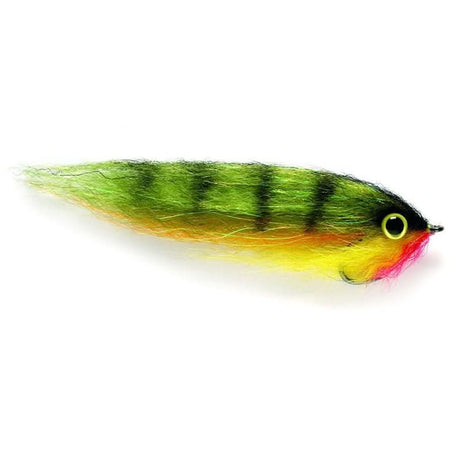
Streamers use larger profiles and different materials to imitate small fish and other prey. They can be fished with a range of retrieves and presentations depending on the species and conditions.
The selection includes Woolly Bugger and Zonker styles as well as much larger predator flies, including patterns designed for pike fishing.
When choosing a streamer, consider its overall size, movement, hook arrangement and compatibility with your rod and leader setup.
Tenkara Flies and Barbless Patterns
Tenkara flies offer a distinct style of artificial fly, often featuring simple bodies and soft hackles. Different hackle shapes and body colours allow anglers to experiment with subtle presentations or added movement.
Barbless flies are available across several categories. They can be a practical choice where fishery regulations require barbless hooks, but they should not be confused with a particular type of fly or fishing method.
Building a Practical Fly Selection
Rather than filling a fly box with numerous similar patterns, aim for a selection that covers different feeding situations. Dry flies for rising fish, nymphs of varying sizes and weights, and a few suitable streamers provide a flexible starting point.
Pay attention to hook size, colour, fly profile and weighting, but also consider how each fly will be presented. The best choice is the one that suits the water and the behaviour of the fish, not simply the most elaborate pattern.
Frequently Asked Questions About Fly Fishing Flies
What flies should I use for trout fishing?
Dry flies, nymphs and streamers can all be used for trout. Your choice should reflect where the fish are feeding and the type of water you are fishing.
What is the difference between regular nymphs and tungsten nymphs?
Tungsten nymphs have additional weighting, commonly in the form of a tungsten bead. They are useful when the presentation requires more weight. Traditional nymphs vary in construction and are not necessarily tungsten-weighted.
Which flies should a beginner start with?
Start with a manageable range of dry flies and nymphs in different sizes and styles. This gives you more flexibility than buying many flies with almost identical shapes and uses.