


 Sold out
 Sold out
 Sold out
 Sold out


Fly Fishing Nymphs: Choosing Patterns for Subsurface Feeding Fish
Nymph fishing opens up a wide range of possibilities when trout and grayling are feeding below the surface. Rather than focusing only on fly colour or weight, it helps to consider the type of food available and the depth at which the fish are feeding.
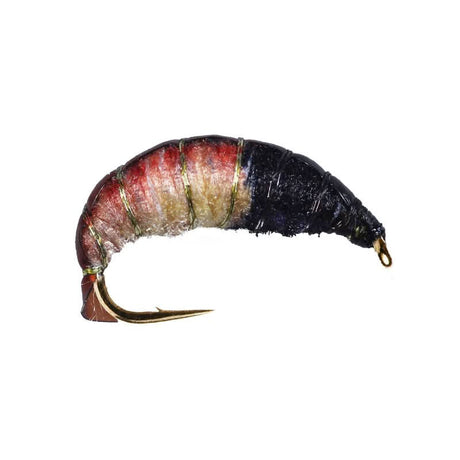
Our fly fishing nymph selection includes Buzzer patterns, Czech Nymphs, larva imitations and freshwater shrimp designs. These different fly families provide options for fishing rivers, streams and stillwaters using a range of subsurface presentations.
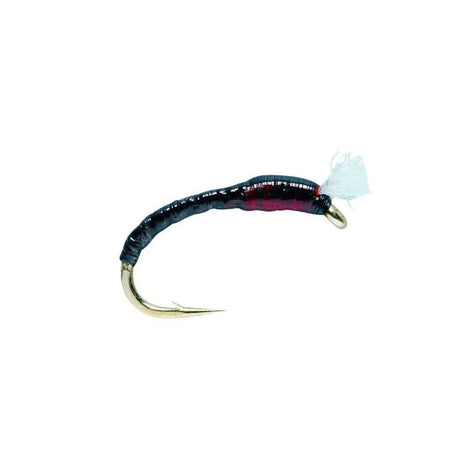
Buzzer Flies for Chironomid Pupa Imitations
Buzzers are designed primarily to imitate chironomid pupae. Their relatively slender bodies give them a distinctive appearance compared with many bulkier nymph patterns.
The collection includes Quill Buzzers, 3D Glass Buzzers and other variations in black, olive, red and contrasting colours.
When selecting a Buzzer, consider its hook size, body profile and colour. The aim is to choose an imitation that suits the organisms present and the way you intend to fish it.
Czech Nymphs for River Fly Fishing
Czech Nymphs are a recognised group of subsurface fly patterns, particularly associated with nymph fishing in flowing water.
The selection offers natural-looking colours as well as brighter variations. Different shapes and visual details provide options for changing your presentation when fishing conditions vary.
Do not assume that every Czech Nymph has the same weighting or sinking characteristics. Consider the individual fly and the type of rig you intend to use.
Shrimp Patterns, Maggot Flies and Larva Imitations
Freshwater shrimp and amphipod patterns
Freshwater shrimp imitations represent a different type of food from the aquatic insects copied by many traditional nymphs.
The Shrimp Nymph and Natural Shrimp ranges include different colours and body profiles, allowing anglers to choose between more natural-looking and higher-contrast patterns.
Maggot and aquatic larva flies
Maggot Nymphs and other larva designs add further variety. They imitate small, elongated food organisms and provide alternatives to standard chironomid or insect nymph patterns.
Having several different prey profiles available makes it easier to experiment when the fish are not responding to one particular imitation.
How to Choose Nymphs for Trout and Grayling
Start with the organism you want to imitate. Then consider hook size, body shape, colour and any specified weighting.
A small Buzzer and a fuller-bodied shrimp imitation may both be suitable subsurface flies, but they are intended to represent different food sources and may require different presentations.
Depth and current are equally important. When additional weight is required, explore the dedicated tungsten nymph range rather than assuming that all traditional nymphs have the same sinking properties.
Building a Balanced Nymph Fly Box
A practical nymph selection should contain several distinct pattern families. Buzzers, Czech Nymphs, shrimp imitations and larva flies provide a useful range of silhouettes for different fishing situations.
Select suitable hook sizes and a mixture of natural and contrasting colours, while avoiding unnecessary duplication.
Presentation remains central to nymph fishing. Even a carefully chosen pattern needs to be fished at an appropriate depth and with a suitable drift to match the conditions.
Frequently Asked Questions About Fly Fishing Nymphs
What is the difference between a Buzzer and a Czech Nymph?
A Buzzer primarily imitates a chironomid pupa. Czech Nymphs are a different family of subsurface fly patterns, commonly associated with nymph fishing in flowing water.
Are all fly fishing nymphs weighted with tungsten?
No. Traditional nymphs vary in their construction and weighting. Tungsten-weighted flies form a separate group and are useful when additional weight is needed.
What nymphs should I carry for trout fishing?
A practical selection can include Buzzers, Czech Nymphs, larva patterns and freshwater shrimp imitations. Choose sizes and profiles that suit the waters you regularly fish.