



-
-
-
Simms
Wading Boot Simms G3 Guide Vibram Sole
€349,90 EURUnit price /UnavailableVery low stock (2 units)-
-
-
-
-
-

Go-Fish
Replacement Felt Soles for Wading Boots
€29,00 EURUnit price /UnavailableLow stock (3 units)-
Simms
Simms Freestone Women's Boots Slate Rubber Sole
€249,00 EURUnit price /UnavailableLow stock (6 units)-
-
-
-
-
-
-
-
-
-
-
-
-


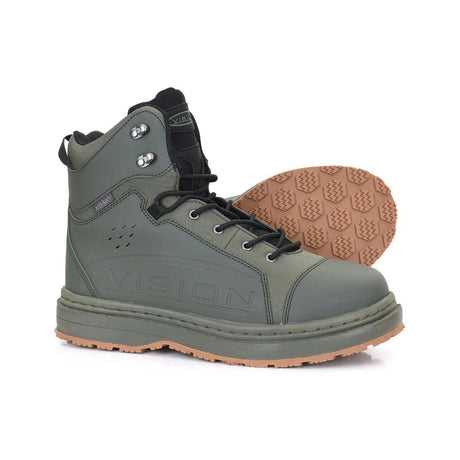
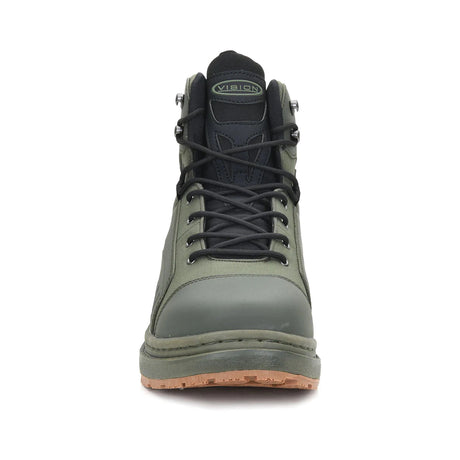
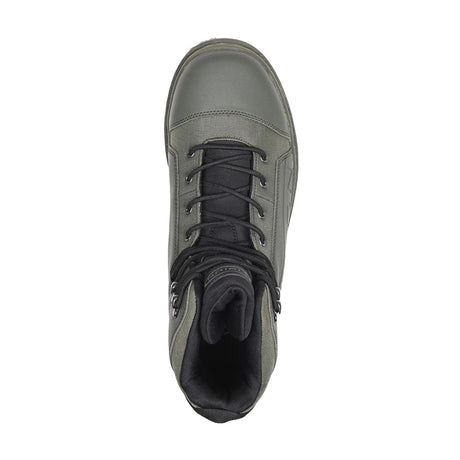
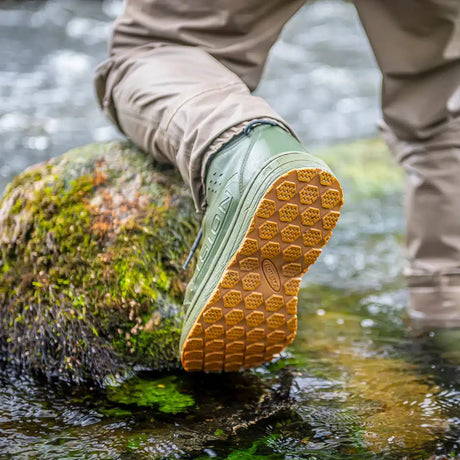
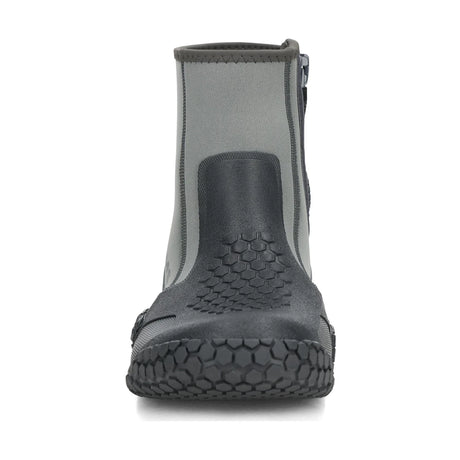
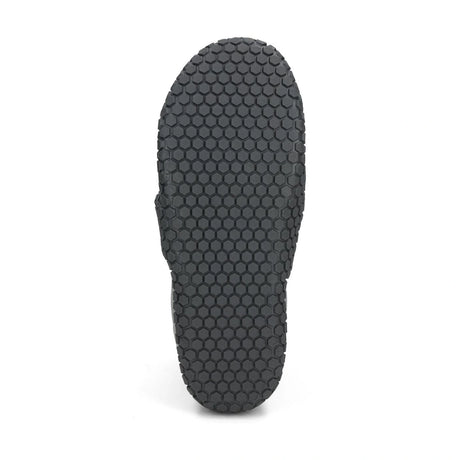
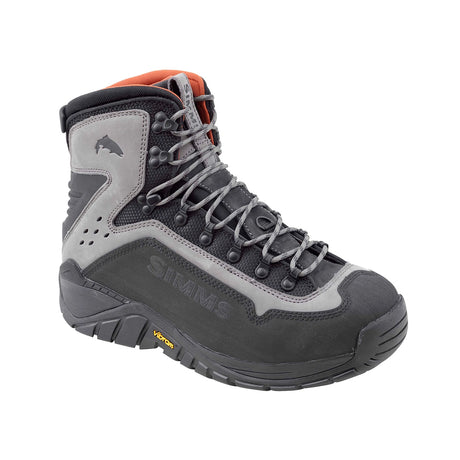
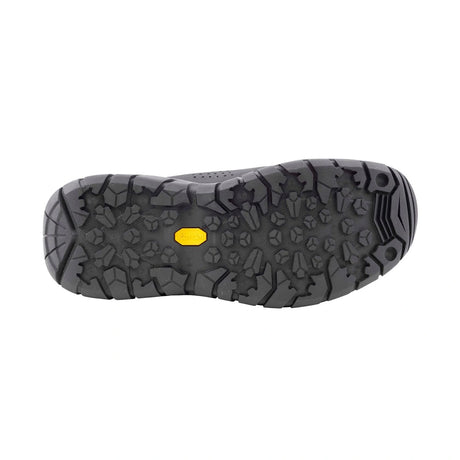
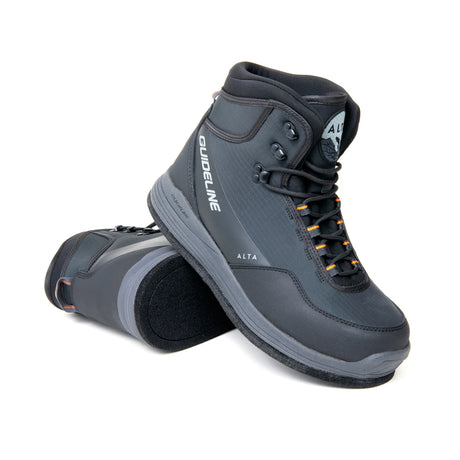
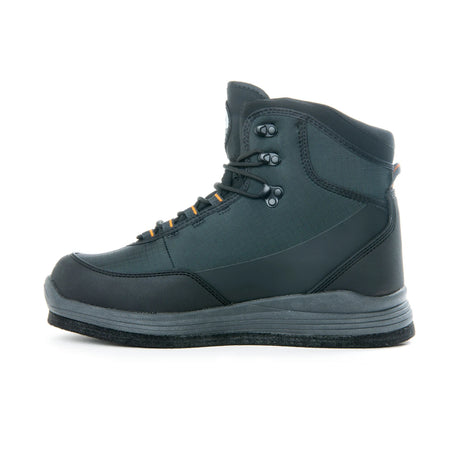
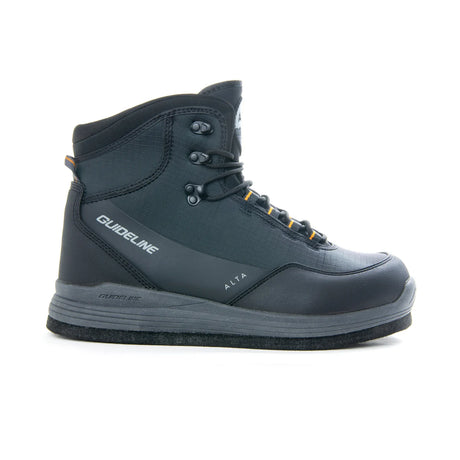
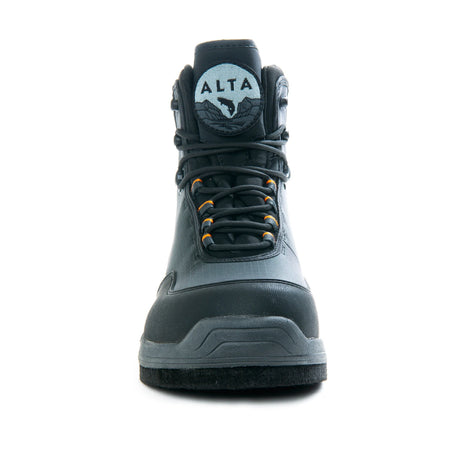
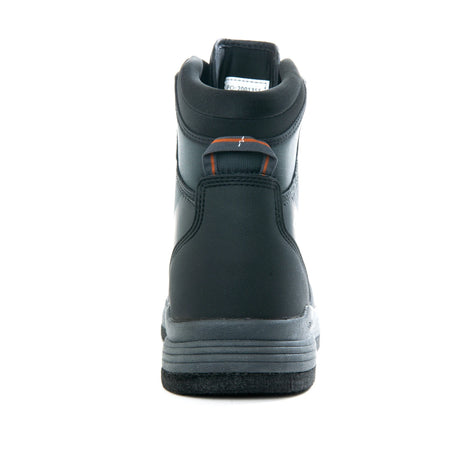
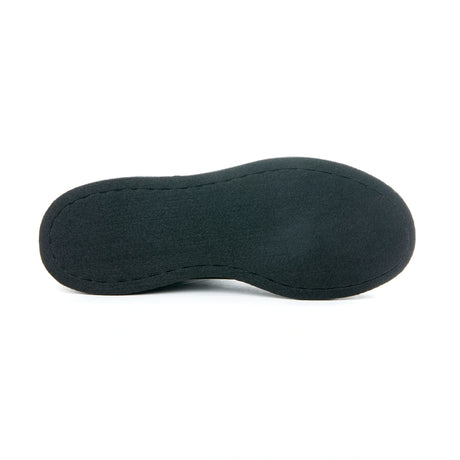
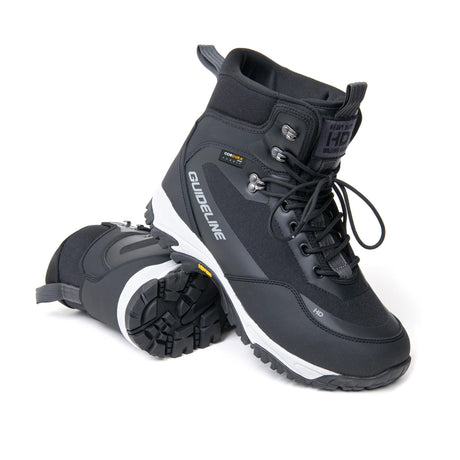
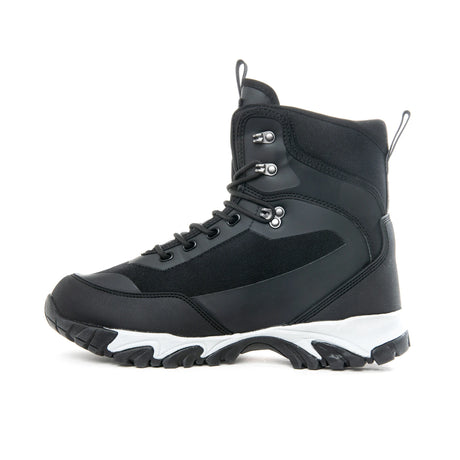
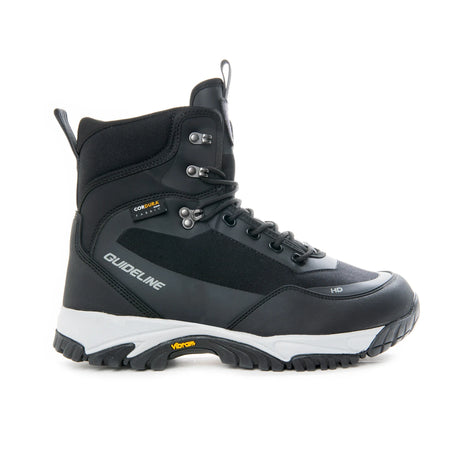
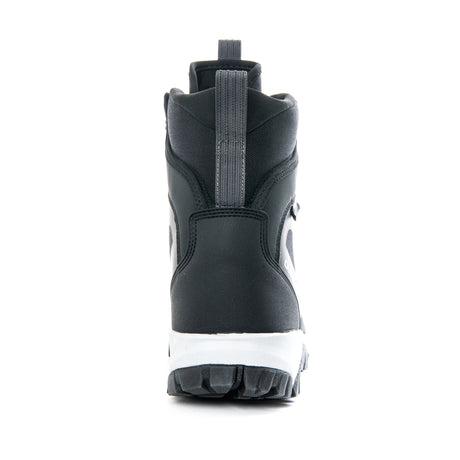
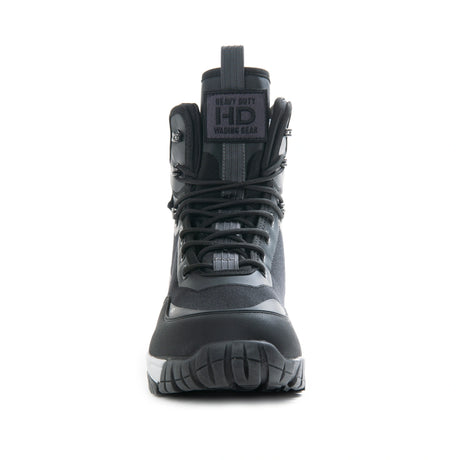
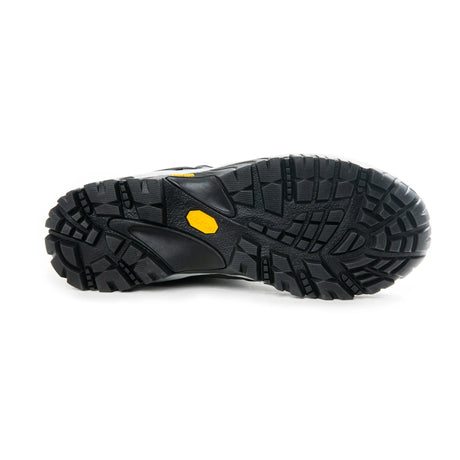
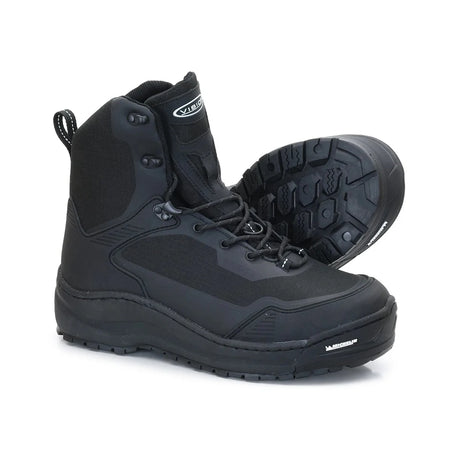
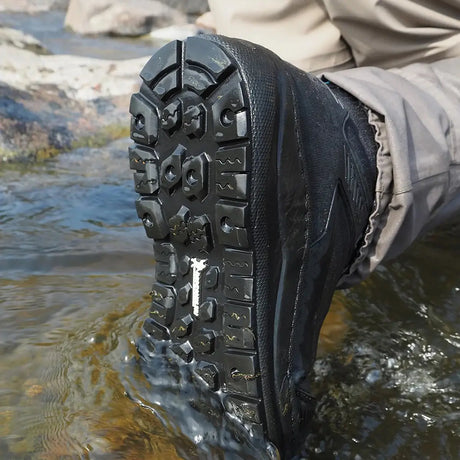


Wading Boots for Fishing: Choosing the Right Sole and Fit
Walking through streams and along uneven riverbanks places different demands on footwear from everyday outdoor walking. Wading boots are designed to accommodate the conditions encountered during fishing, with sole construction and foot support playing important roles.
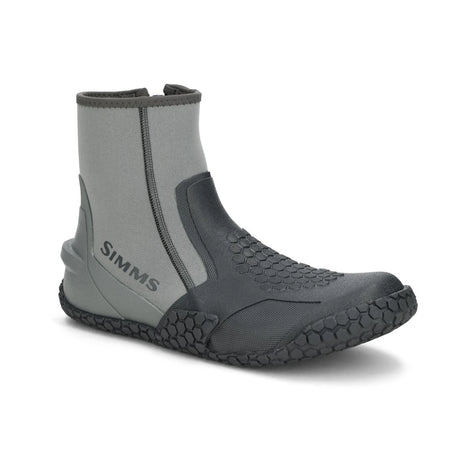
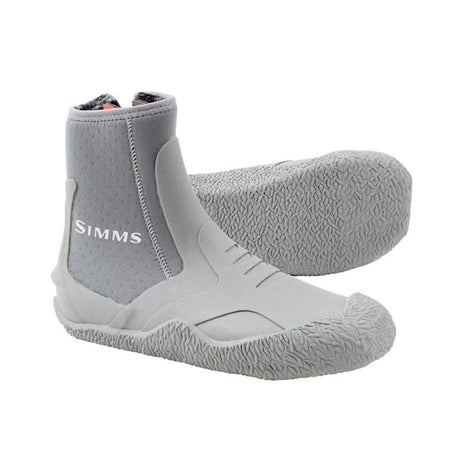
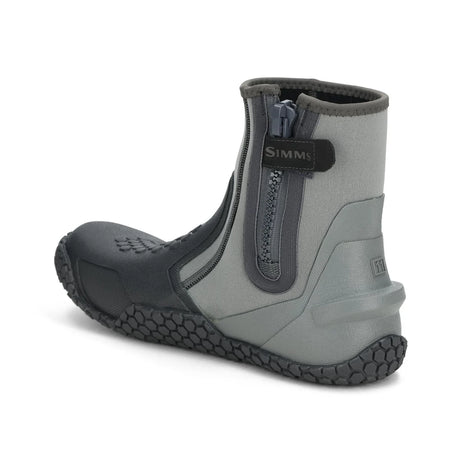
The range includes rubber-soled and felt-soled boots, selected studded configurations and different boot designs from brands such as Simms, Guideline, Vision, JMC and Orvis. The best choice depends on where you fish and how the boots fit over your wader stockingfeet.
Rubber-Soled Wading Boots
Rubber soles are a versatile option when your fishing involves walking between riverbanks, paths and the water. Traction characteristics depend on the rubber compound, tread and surface conditions.
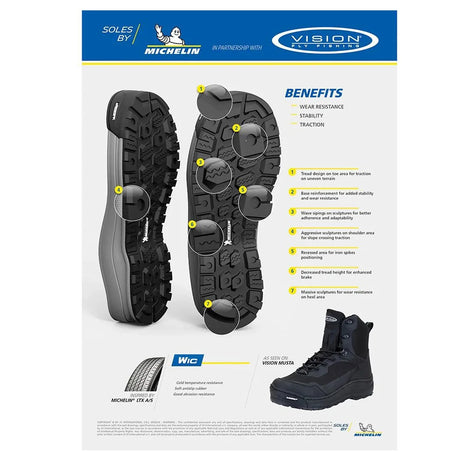
Selected boots feature specialist soles such as Vibram and Michelin constructions. These provide different options, but no rubber sole guarantees grip on every wet or unstable surface.
Consider how often you walk outside the water as well as the type of riverbed you encounter.
Felt-Soled Boots for Wet Rock
Felt wading boots offer different traction characteristics and can be useful on certain submerged rock surfaces. Their behaviour differs on mud, vegetation and dry ground.
Felt also needs careful cleaning and drying. Some regions place restrictions on its use to limit the transfer of aquatic organisms between waterways, so local rules should be checked before choosing this type of sole.
Studded Wading Boots and Additional Traction
Selected models include studs, while some suitable boots allow compatible traction elements to be fitted separately.
Always check which accessories are intended for the specific sole. Incorrect studs or installation can affect the footwear, and no traction system eliminates the risk of slipping.
For additional studs, replacement parts and maintenance products, explore our wading accessories.
Choosing the Correct Size for Stockingfoot Waders
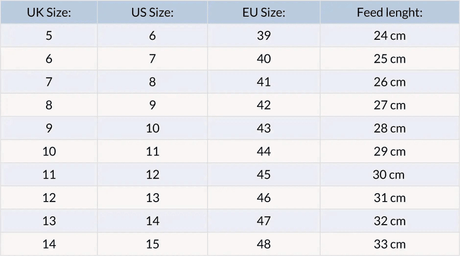
Traditional wading boots are normally worn over the neoprene stockingfeet of fishing waders. They must accommodate those stockingfeet and your chosen socks without compressing the foot.
At the same time, excessive room can reduce support. Use the manufacturer's guidance and consider width and overall boot shape as well as length.
Do not assume that every wading boot needs to be one or two sizes larger than your normal footwear.
Weight, Ankle Support and Closure Systems
Some boots focus on relatively lightweight construction, while others use a more substantial design. Compare heel support, ankle fit, flexibility and overall comfort.
Traditional laces are common, and certain models use alternative closure systems. Choose one that offers a secure and practical fit for your fishing routine.
Looking After Your Wading Boots
After use, remove mud and debris, allow the boots to dry appropriately and inspect the soles, stitching and laces. Follow the cleaning recommendations for the particular materials.
Replacement soles or studs should only be considered where compatibility is confirmed.
For a complete outfit, combine your boots with suitable fishing waders or explore waders and boots sets.
Frequently Asked Questions About Wading Boots
Should I choose rubber or felt wading boots?
Rubber is versatile across mixed surfaces, while felt can provide useful traction on certain wet rocks. The right choice depends on the terrain and any local restrictions.
How should wading boots fit over stockingfoot waders?
They should provide enough space for neoprene stockingfeet and suitable socks without excessive pressure or looseness. Follow the sizing instructions for the individual boot.
Can studs be fitted to every wading boot?
No. Studs and other traction devices must be compatible with the sole and installed according to the relevant product instructions.